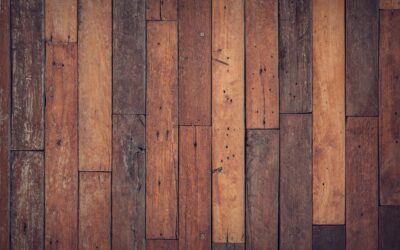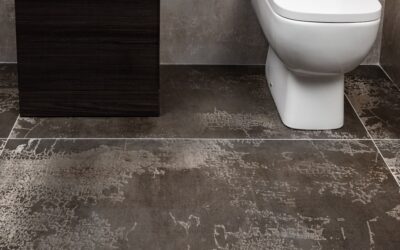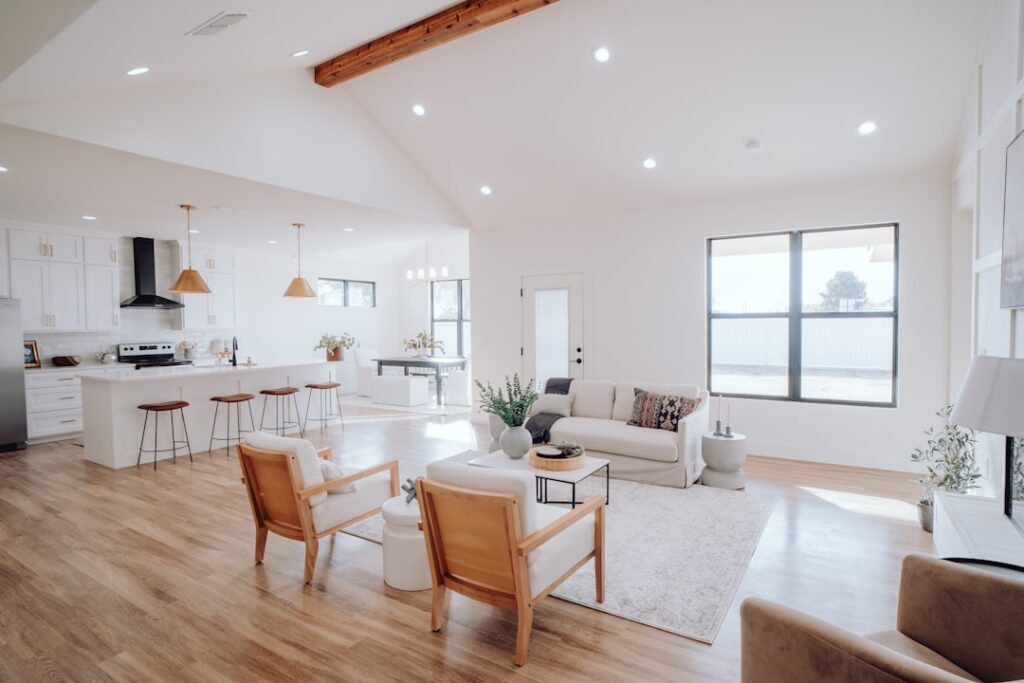
Few flooring choices make a room feel as grounded and dramatic as a deep espresso or walnut plank. Dark wood LVP, short for luxury vinyl plank in dark wood tones, gives you that rich, high-end hardwood look with the waterproof toughness of vinyl. It’s become one of the most popular flooring choices for homeowners who want sophistication without the warping, scratching, and maintenance headaches of real dark hardwood. This guide covers the genuine pros and cons, what to watch for with darker colors, and how to choose a plank that looks great for years.
What Dark Wood LVP Is
Luxury vinyl plank is a multilayer floor: a tough wear layer on top, a high-resolution printed image of wood grain, a rigid or flexible core, and often an attached underlayment pad. Dark wood LVP simply uses photographic layers that mimic species like walnut, hickory, espresso oak, and smoked ash. The best planks add embossed-in-register texture, meaning the surface bumps line up with the printed grain, so the floor feels like wood, not just looks like it.
Most modern dark LVP comes as rigid core SPC (stone plastic composite) or WPC (wood plastic composite), both fully waterproof and dimensionally stable. Planks click together over the subfloor as a floating floor, which makes installation approachable for confident DIYers.
The Advantages of Going Dark
Dark flooring brings a specific set of benefits that lighter floors can’t match:
- Rich, upscale look: Deep tones read as luxurious and anchor a room, pairing beautifully with white trim, light walls, and brass or black fixtures.
- Waterproof and kid/pet-friendly: Unlike real dark-stained hardwood, LVP shrugs off spills, mud, and accidents without staining or swelling.
- Scratch and dent resistance: A thick wear layer stands up to furniture, claws, and traffic far better than a delicate dark hardwood finish.
- Comfortable and quiet: The core and pad add warmth and sound absorption underfoot compared to tile or laminate.
- Budget-friendly: You get the dramatic hardwood look for a fraction of solid wood’s cost.
The Honest Drawbacks
Dark floors are stunning, but they demand a clear-eyed look at the trade-offs:
- Dust and debris show: This is the big one. Every crumb, hair, lint ball, and dusty footprint is visible on a dark floor in raked light. Plan on more frequent sweeping.
- Footprints and smudges: Glossier dark finishes hold oily prints and water spots. Matte or low-sheen planks hide them far better.
- Fading risk: Strong, direct sunlight can lighten dark tones over time. UV-stable wear layers help, but consider window film or shades in sun-drenched rooms.
- Shows scratches differently: A deep scratch through the wear layer can reveal a lighter core, making it more noticeable than on a light floor.
None of these are dealbreakers, but they’re the reason design pros nudge clients toward matte finishes and subtle wood grain for dark installations.
Choosing the Right Dark Plank
A few specs separate a floor you’ll love from one you’ll regret:
- Wear layer thickness: Look for at least 12 mil for residential, 20 mil or more for busy households with pets and kids. This is the single biggest durability factor.
- Finish sheen: Choose matte or low-luster. Glossy dark floors are gorgeous in photos and maintenance nightmares in real life.
- Realistic texture: Embossed-in-register grain and varied plank visuals avoid the repetitive, plastic look.
- Plank size: Wider, longer planks (7 to 9 inches wide) read more like premium hardwood.
- Core type: SPC for maximum dent resistance and stability over imperfect subfloors; WPC for a softer, warmer feel underfoot.
Always order a sample and lay it in the actual room. Dark tones shift dramatically between showroom lighting and your home’s natural light.
Installation Basics
Most dark wood LVP installs as a floating click-lock floor, which forgiving DIYers can tackle in a weekend. Acclimate the planks in the room for 48 hours, make sure the subfloor is clean, dry, and flat within about 3/16 inch over 10 feet, and leave a 1/4 to 3/8 inch expansion gap around the perimeter. Stagger the end joints at least 6 to 8 inches for a natural look and structural strength. For below-grade basements or full-bath installs, confirm the product is rated for those locations.
Budget-wise, dark wood LVP typically costs $2 to $5 per square foot for materials, with premium rigid-core lines running $5 to $8. Professional installation usually adds $2 to $5 per square foot.
Keeping Dark LVP Looking Sharp
Because dark floors show everything, a simple routine keeps them looking their best. Sweep or dust-mop daily or every other day with a microfiber pad that grabs fine particles instead of pushing them around. For mopping, use a barely damp microfiber mop and a pH-neutral vinyl cleaner, never a wax, oil soap, or steam mop, which can dull the finish or leave streaks that scream on dark surfaces.
Place felt pads under furniture legs, use walk-off mats at entries to catch grit, and skip rubber-backed mats, which can discolor vinyl over time. A quick wipe of the obvious smudge zones near the sofa and entry keeps the floor photo-ready between deeper cleanings.
Styling Rooms With Dark Floors
Dark wood LVP is a powerful design tool, but it changes how a room feels, so plan the surrounding elements with intention. Deep floors absorb light, which means smaller or darker rooms can feel closed in if the walls and furniture are also dark. Balance the floor with lighter walls, ample lighting, and a few light-toned area rugs to keep the space feeling open and grounded rather than heavy.
The contrast dark floors create is exactly why designers love them. White or light gray walls pop against espresso planks, brass and matte-black fixtures read as intentional accents, and light wood or upholstered furniture stands out beautifully. In rooms with abundant natural light, a dark floor adds drama without feeling oppressive, which is why it works so well in open-concept living spaces and bright kitchens.
Where Dark Wood LVP Works Best
Because LVP is fully waterproof and durable, you can run dark plank almost anywhere in the home:
- Living rooms and bedrooms: The rich tone anchors furniture and creates a cozy, upscale feel.
- Kitchens: Waterproof construction shrugs off spills, while the dark color hides nothing, so plan on frequent sweeping.
- Bathrooms and laundry rooms: A waterproof-rated plank handles moisture where real dark hardwood never could.
- Basements: Rigid-core SPC tolerates concrete subfloors and the occasional dampness that defeats wood and laminate.
The one caveat is very sunny rooms, where strong UV exposure can fade dark tones over time. In those spaces, choose a UV-stable wear layer and add shades or window film for insurance.
Is Dark Wood LVP Right for You?
If you crave a dramatic, high-end hardwood look and you’re willing to sweep a little more often, dark wood LVP delivers waterproof, durable beauty at a sensible price. Lean toward a matte finish, a thick wear layer, and realistic texture, and keep a microfiber mop handy. For high-sun rooms, factor in UV protection. Choose well and you get the rich, sophisticated floor of the moment without the fragility and upkeep of real dark hardwood.
Prefer to explore on your own?
See how new flooring looks in your actual room in seconds — free, no signup.
Try the free Floor Studio →