If you have been shopping for a rigid-core floor that shrugs off spills, pets, and the daily chaos of a busy household, you have probably run across the Paradigm name. Paradigm Insignia waterproof flooring sits in the rapidly growing category of stone-plastic composite (SPC) planks engineered to be genuinely waterproof from the wear layer straight down to the backing. As someone who has installed and lived with dozens of rigid-core products, I can tell you the Insignia line lands squarely in the sweet spot that most homeowners are actually looking for: convincing wood looks, a floating click-lock install a competent DIYer can handle, and a construction that does not panic when water shows up.
In this guide I want to walk through what the Insignia collection actually is, how its construction holds up in real rooms, what to expect during installation, and honestly who should buy it and who should look elsewhere. Because this is an evergreen review, I am going to talk in typical SPC ranges rather than pinning down exact prices or spec sheets that shift from season to season. Always confirm the current specifications with your retailer before you buy.
What Paradigm Insignia Waterproof Flooring Actually Is
Paradigm is a waterproof flooring maker, and Insignia is one of its collections of rigid-core planks. When people say “rigid core,” they are usually describing an SPC board, which is built around a dense mineral-and-polymer core that does not swell or contract meaningfully when it gets wet. That is the whole point of the category. Unlike laminate, which uses a fiberboard core that can puff up like a sponge if water reaches the seams, an SPC plank treats standing water as a non-event within the parameters of the warranty.
The Insignia planks follow the multilayer recipe that defines quality rigid-core vinyl. At the bottom is a stable base, above it the dense SPC core, then a printed decorative film that carries the wood grain image, and on top a clear wear layer with a protective finish. Many boards in this class also carry an attached underlayment pad on the underside, and Insignia is designed with that convenience in mind. That pad softens footfall, quiets the floor, and smooths over minor subfloor imperfections without a separate roll of underlayment.
The Waterproof Claim, Explained Honestly
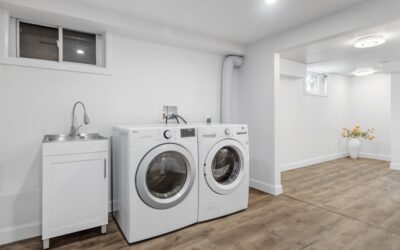
“100% waterproof” gets printed on a lot of boxes, so it is worth defining what it means and does not mean. The plank itself will not absorb water, delaminate, or dimensionally fail because of surface moisture. That means a knocked-over glass, a leaking dog bowl, a dripping umbrella by the door, or a mopping session that got a little enthusiastic are all fine. This is exactly why rigid-core floors like Insignia have become the go-to choice for kitchens, bathrooms, laundry rooms, mudrooms, and basements.
What waterproof does not mean is that the whole floor assembly is a sealed swimming pool liner. Water can still travel through the seams if it sits long enough, and it can pool on the subfloor beneath a floating floor, where it may cause problems if it is trapped for days. The plank survives; the room underneath still needs attention. My rule with any waterproof SPC, Insignia included, is simple: waterproof buys you time and forgiveness, not a license to ignore a genuine flood. Wipe up standing water promptly and you will get exactly the performance the category promises.
Wear Layer and Durability
The wear layer is the single most important spec on any vinyl floor, and it is where I direct buyers first. It is the clear, tough top skin measured in mils that stands between your furniture, shoes, and pet claws and the printed design below. Residential rigid-core floors commonly run somewhere in the 12-mil to 20-mil range, with lighter-duty products thinner and light-commercial-rated products thicker. A heavier wear layer resists scratches, scuffs, and traffic lane dulling for longer, which matters a great deal in an entryway or a kitchen work triangle.
For a typical family home, aim toward the middle-to-upper end of the residential range if the collection offers a choice. That thicker wear layer is what separates a floor that still looks sharp after eight years from one that shows traffic paths after three. Combined with the dense SPC core, which resists denting from heavy furniture and dropped cookware far better than a softer flexible LVP, Insignia-style rigid boards are built to take a beating. Just confirm the actual wear-layer figure for the specific Insignia product you are considering, since collections often span several thicknesses.
Wood-Look Visuals and Plank Format
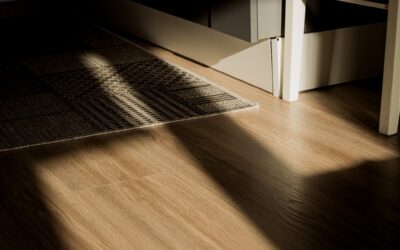
The reason rigid-core vinyl exploded in popularity is that the visuals finally got good. High-resolution printing, embossed-in-register texture that lines the surface grain up with the printed grain, and varied plank patterns mean a well-made SPC floor reads as real wood from standing height. Insignia is designed around that wood-look aesthetic, offering the kind of oak-inspired tones, weathered grays, and warm browns that dominate current interior design.
Plank formats in this category typically land around 6 to 9 inches wide and 48 to 60 inches long, giving you a contemporary wide-plank look without the price or fragility of real hardwood. Wider, longer planks make a room feel more expansive and mean fewer seams overall. If you are matching an existing aesthetic, pull several physical samples and lay them out in the actual room under your actual lighting before committing, because monitor photos and showroom fluorescents both lie about undertone.
Installation: Click-Lock Floating Floor
Insignia installs as a floating floor using an angle-and-tap click-lock system, which is the same approach that makes rigid-core so DIY-friendly. The planks connect to each other rather than gluing or nailing to the subfloor, so the whole field of flooring floats as one interlocked sheet that expands and contracts as a unit. That is a genuinely approachable weekend project for a homeowner with basic tools, a tapping block, a pull bar, and some patience.
The subfloor prep is where the job is won or lost. Rigid SPC is more forgiving of minor subfloor imperfections than laminate, especially with an attached pad, but it is not magic. Get the substrate clean, dry, and flat, generally within about 3/16 inch over a 10-foot span, and fix any high spots or dips first. Leave the recommended expansion gap around the entire perimeter and around every fixed object, then hide it with baseboard or quarter round. Acclimate the boxes in the room for the manufacturer’s recommended window, and never lock the last row tight against a wall. Rush the prep and even the best plank will telegraph problems at the seams.
Warranty and What It Really Covers
Rigid-core floors in this class typically ship with a lengthy residential warranty covering wear, staining, and the waterproof performance of the plank, often paired with a shorter light-commercial term. Treat the warranty as a signal of manufacturer confidence rather than a guarantee you will ever cash in. Read the fine print, because coverage almost always hinges on professional-grade installation over an approved subfloor, proper acclimation, and reasonable maintenance.
The common warranty exclusions are worth memorizing before you buy anything, Insignia or otherwise: damage from standing water left for extended periods, scratches from unprotected furniture or pet claws, gouges from dragging appliances, and fading from prolonged direct sunlight without any window treatment. None of that is unique to Paradigm; it is standard across the SPC category. Confirm the exact warranty length and terms for your specific Insignia product with the retailer, since these details change between collections and over time.
Maintenance and Everyday Living
One of the quiet joys of rigid-core flooring is how little it asks of you. Day to day, a dry dust mop or a vacuum on the hard-floor setting handles grit, which is the real enemy of any wear layer. When it needs a wet clean, a damp microfiber mop with a manufacturer-approved pH-neutral cleaner is all you need. Skip steam mops, wax, oil soaps, and anything abrasive, all of which can dull or damage the finish over time.
Protect the floor and it protects you back. Felt pads under furniture legs, a firm entry mat to catch tracked-in grit and moisture, and floor-safe casters on rolling chairs will keep the surface looking new for years. Because the plank body is waterproof, you never have to treat a spill as an emergency, which is exactly why families with kids and pets gravitate to this category in the first place.
Who Should Buy Paradigm Insignia
Paradigm Insignia waterproof flooring makes the most sense for the homeowner who wants a durable, genuinely waterproof, convincing wood-look floor at a rigid-core price point, and who values a manageable floating install. If you are putting flooring in a kitchen, bath, basement, or a whole main level and you have kids, pets, or both, this is precisely the product category built for you. The attached-pad convenience and click-lock system make it approachable for confident DIYers and quick for pros.
It is a weaker fit if you specifically want the resale cachet and refinishability of solid hardwood, or if you are chasing a rock-bottom builder-grade budget where flexible glue-down LVP might cost less. It is also not the pick for someone who wants a warm, soft underfoot feel, since rigid SPC is firm by design even with a pad. For everyone in the broad middle, though, an Insignia-style rigid floor delivers the performance most people actually want. As always, verify current specs, wear-layer options, and pricing with your retailer before you commit, since this review speaks in general SPC terms rather than fixed numbers.
Prefer to explore on your own?
See how new flooring looks in your actual room in seconds — free, no signup.
Try the free Floor Studio →