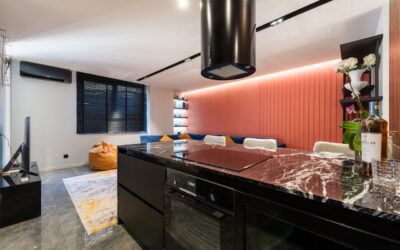
Few flooring choices make a statement quite like black laminate. Dramatic, modern, and undeniably sophisticated, it anchors a room with rich contrast and a high-end feel, all at the budget-friendly price laminate is known for. Done right, a dark floor can make white walls pop, ground an open-concept space, and give a room real depth.
This guide covers the styles available, the genuine pros and cons of going dark, realistic costs, and the care habits that keep black floors looking sharp rather than dusty.
The Appeal of Black Laminate
Black flooring reads as bold and intentional. It creates striking contrast against light walls, cabinetry, and furniture, which is why it appears so often in modern, contemporary, and industrial interiors. The depth of a dark floor adds a sense of luxury that belies laminate’s affordable price.
It is also versatile in its drama. A glossy black floor feels sleek and urban, while a matte, wood-look black leans rustic or Scandinavian. Either way, the floor becomes a design feature rather than a neutral backdrop, setting the mood for the whole room.
Styles and Finishes Available
Black laminate is not a single look. The finish and texture dramatically change the effect:
- Wood-look black: dark-stained oak, walnut, or ebony grain patterns for warmth and texture.
- Solid matte black: a flat, modern surface with minimal grain.
- High-gloss black: a reflective, dramatic finish that mimics lacquered wood.
- Distressed and textured: embossed surfaces that add depth and hide minor wear.
- Near-black charcoals: very dark grays that soften the contrast slightly.
Texture matters for practicality as much as looks. Matte and textured finishes hide dust and footprints far better than high gloss, which shows everything.
Pros of Black Laminate Flooring
Beyond the obvious visual drama, black laminate carries the general strengths of laminate flooring. It is affordable, durable, and relatively easy to install thanks to click-lock systems. The wear layer resists scratches and fading better than many natural materials.
Key advantages include:
- Strong design impact at a low price point.
- Scratch- and stain-resistant wear layer.
- DIY-friendly floating installation.
- Easier to maintain than solid hardwood.
- A wide range of finishes to match any aesthetic.
For homeowners who want a dramatic floor without the cost or upkeep of dark hardwood, laminate is a compelling option.
Cons to Consider
Dark floors come with honest trade-offs, and it is better to know them upfront. The biggest is that black shows everything. Dust, pet hair, crumbs, light footprints, and water spots are all far more visible on a dark surface than on a mid-tone floor.
Other considerations:
- High-gloss finishes magnify dust and scratches.
- Dark floors can make a small or dim room feel smaller and darker.
- They may show fading from intense direct sunlight over time.
- Like all laminate, they are not fully waterproof unless specifically rated.
None of these are dealbreakers, but they mean black floors reward homeowners who do not mind a little extra sweeping and who have enough light in the room.
What Black Laminate Costs
Laminate is prized for value, and black is no exception. Treat these as planning estimates that vary by brand, thickness, and region. Material costs typically run about 1 to 5 dollars per square foot, with thicker, higher-AC-rated, and more realistic wood-look products at the upper end.
Professional installation generally adds roughly 2 to 6 dollars per square foot. Because click-lock laminate is one of the more DIY-friendly floors, many homeowners save the labor cost by installing it themselves. For a 200-square-foot room, materials alone might land somewhere between 200 and 1,000 dollars depending on the product you choose.
Installation Basics
Most black laminate uses a floating click-lock system that does not require glue or nails, which makes it accessible to confident DIYers. The planks snap together and rest over an underlayment on top of the subfloor, expanding and contracting as a single floating layer.
Key steps and tips:
- Acclimate the planks in the room for the time the manufacturer specifies.
- Ensure the subfloor is clean, dry, and flat.
- Install a suitable underlayment for cushioning and moisture protection.
- Leave an expansion gap around the perimeter, covered by baseboard or trim.
- Stagger the seams between rows for strength and a natural look.
Follow the manufacturer’s instructions closely, especially regarding moisture limits, since standard laminate is not designed for standing water.
Keeping Black Floors Clean
The secret to loving a black floor is a simple, consistent cleaning routine. Because dust and prints show readily, frequent light maintenance beats occasional deep cleans. Most homeowners find a quick daily or every-other-day pass keeps things looking sharp:
- Sweep, dust-mop, or vacuum often with a soft attachment.
- Use a microfiber mop for a streak-free finish.
- Damp mop with a laminate-safe cleaner, never soaking the floor.
- Wipe spills immediately to avoid spots and edge swelling.
- Add felt pads under furniture to prevent scratches.
Choosing a matte or textured black over high gloss makes this routine far more forgiving, since flat finishes camouflage dust between cleanings.
Designing a Room Around Black Floors
A dark floor is a strong anchor, and the rest of the room should balance it. To keep a space from feeling heavy, pair black laminate with lighter walls, cabinetry, and furnishings. White or pale gray walls create crisp contrast, and plenty of natural or layered artificial light keeps the room from reading as dim.
Texture and warmth help too. Add area rugs, wood-toned furniture, and greenery to soften the drama and prevent a stark, cold feel. In bedrooms, black floors pair beautifully with soft textiles and warm lighting for a cozy, hotel-like mood. The goal is contrast and balance, letting the dramatic floor be the star while everything around it keeps the space feeling open and inviting.
Is Black Laminate Right for You?
Black laminate delivers serious style and depth at a fraction of the cost of dark hardwood, making it a smart choice for bold, modern interiors. The trade-off is upkeep: dark floors show dust and prints, so they suit homeowners who keep up with light, regular cleaning and have enough natural or artificial light in the room. Pick a matte or textured finish, commit to a simple cleaning habit, and black laminate will reward you with a dramatic, sophisticated floor that elevates the entire space.
Prefer to explore on your own?
See how new flooring looks in your actual room in seconds — free, no signup.
Try the free Floor Studio →