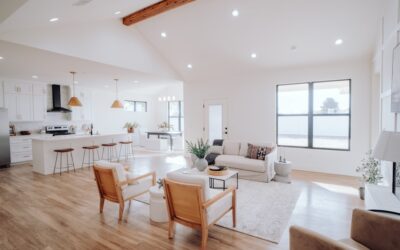
A coastal cottage in Nantucket and a loft in Tribeca can share exactly one design choice: pale, chalky planks that brighten the room without erasing the grain. White washed flooring hits that sweet spot where the wood still reads as wood, just bleached by sun and salt. Done well, it adds two stops of light to a dim room. Done poorly, it looks like primer that someone forgot to top-coat.
What White Washed Actually Means
White washing is not paint. It is a thinned pigment or lime stain applied to bare hardwood, wiped back to leave color in the grain while letting the wood beneath show through. Traditional Scandinavian floors used a lye-and-soap process. Modern American versions use water-based pickling stains from Bona, Rubio Monocoat, or DuraSeal, sealed under two or three coats of waterborne polyurethane.
Engineered planks ship pre-finished with the look baked in. Bruce Hydropel, Mohawk RevWood Plus, and Mannington Restoration all sell white washed oak SKUs that arrive ready to click-lock or glue down.
Species That Take It Best
White oak is the gold standard. Its open grain holds pigment and the natural tannins barely shift the white toward yellow. Red oak works, but skews pink unless you bleach first. Hickory and ash both pickle cleanly, with hickory delivering more contrast thanks to its wild grain.
Pine and maple are harder cases. Both are dense and closed-grain, so the wash sits on the surface and looks streaky if you wipe inconsistently. If your heart is set on white washed pine, expect to sample twice and consider a coat of dewaxed shellac as a base.
The Honest Pros
Light. A pale floor reflects 60 to 75 percent more visible light than a dark walnut stain, which matters in north-facing rooms or short winter days. Dust and pet hair show less than on espresso floors, where every speck reads. The look ages gracefully; minor scratches in the topcoat read as character, not damage.
Resale data from regional realtor groups consistently lists pale oak among the top three finishes buyers request in homes priced over $500,000, particularly in coastal and farmhouse markets.
The Cons You Need to Hear
Yellowing topcoats are the curse. Oil-based polyurethane will amber within 12 months and turn your beach cottage floor into a butterscotch one. Always specify a waterborne finish like Bona Traffic HD, Loba 2K Supra, or Pallmann Magic Oil 2K. Expect to pay 20 to 30 percent more for the finish than for standard poly.
Site-finished white wash also shows lap marks if installers rush. Plan on a two-day shutdown between stain and topcoat, and keep traffic off the floor for a full 72 hours after final coat.
Cost Per Square Foot
Site-finished white washed white oak, materials and labor, runs $9 to $14 per square foot installed. Engineered pre-finished options come in lower. Bruce Hydropel white oak prices around $4.50 per square foot retail. Mohawk RevWood Plus, technically laminate with a wood look, sits at $3 to $4. Premium European brands like Kährs and Hakwood can climb to $12 to $18 for the plank alone.
Add $2 to $4 per square foot for professional installation, more if you are floating over existing tile or gluing down to concrete with a moisture barrier per ASTM F2170.
Brand Spotlight: Bona Naturale System
For site-finished projects, the Bona Naturale system has become a contractor favorite. The kit pairs a white pigment with a matte sealer and a Traffic HD topcoat. Net result: a near-raw look with the protection of a commercial finish. Coverage runs about 500 square feet per gallon set, and a 1,000 square foot floor typically uses two kits at roughly $400 in materials. Janka hardness for the white oak substrate is 1,360, durable enough for kitchens and entries when paired with felt pads and area rugs at door zones.
Installation Notes
Engineered white washed planks install via click-lock floating, glue-down, or staple-down over plywood. Acclimate boards 48 to 72 hours in the room, with HVAC running and indoor RH between 35 and 55 percent. Test concrete subfloors with calcium chloride or in-situ RH probes before glue-down; vinyl-backed engineered may tolerate 80 percent RH, but most hardwood maxes out at 75.
For site-finished, sand to 100-grit minimum, vacuum thoroughly, water-pop the grain with a damp cloth to open the pores, and apply the pickling stain in 4-foot sections, wiping with the grain.
Maintenance Reality Check
Sweep daily in entry zones. Damp mop weekly with Bona Hardwood Floor Cleaner; never wet-mop or use vinegar, which etches waterborne urethane over time. Re-coat the topcoat every 5 to 8 years, sooner in homes with large dogs. Sanding back to bare wood and refinishing is a 20 to 30 year cycle if you stay on top of recoats.
Plank Width and Pattern
The white wash look reads best on wider planks. Narrow 2 1/4 inch strip oak looks dated regardless of finish. Specify 5, 6, or 7 inch planks, with 7 inch widths defining the high-end Scandinavian aesthetic. Herringbone and chevron patterns in 4 to 6 inch widths also work beautifully with pickled finishes, particularly in formal dining rooms and entry foyers, though pattern installs add 30 to 50 percent in labor.
Length matters as much as width. 6 to 8 foot board lengths read more architectural than 2 to 3 foot pieces. European mills like Kährs and Hakwood ship the longest planks in the residential market, with some custom orders running 12 feet.
Bottom Line
White washed flooring delivers an airy, modern coastal look that ages better than trendier dark stains. Choose white oak, demand a waterborne finish, and budget for the higher-quality topcoat. The result is a floor that looks lived-in by design, not by neglect.
Prefer to explore on your own?
See how new flooring looks in your actual room in seconds — free, no signup.
Try the free Floor Studio →