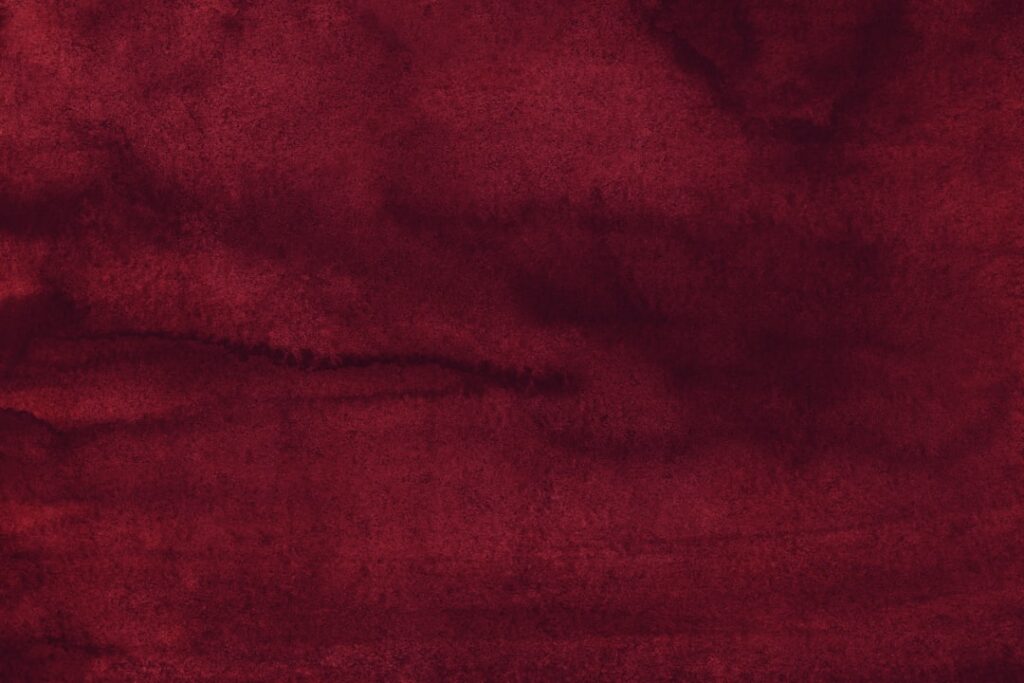
A burgundy area rug is one of the most underrated ways to bring warmth, richness, and a sense of grounded elegance into a room. Sitting somewhere between deep red and dark wine, burgundy is bold enough to make a statement yet muted enough to act as a sophisticated neutral. It flatters traditional and eclectic interiors, hides everyday stains better than pale rugs, and anchors a space with color that feels both cozy and refined. This guide covers the colors that pair with burgundy, the rooms where it works best, materials to consider, and how to keep it looking sharp.
Why Burgundy Works So Well
Burgundy carries the drama of red without the intensity that can make a bright red overwhelming. It reads as timeless rather than trendy, which is why it appears in classic Persian and Oriental rugs that have stayed in style for centuries. In a room full of neutrals, a burgundy rug adds depth and a focal point that instantly makes the space feel more finished and intentional.
There is a practical upside too. The deep, saturated color is remarkably forgiving of spills, pet hair, and foot traffic, hiding the small stains and crumbs that would show glaringly on cream or gray. That makes it a smart choice for busy, high-use rooms as well as formal ones.
Colors That Pair With Burgundy
The right companion colors can make a burgundy area rug feel modern, classic, or dramatic depending on your goal.
- Cream and beige: Soften the intensity and create a warm, inviting, traditional look.
- Navy blue: A rich, sophisticated pairing that feels deep and moody without going dark.
- Gold and mustard: Warm metallic and ochre accents echo the jewel-tone quality and add luxury.
- Gray and charcoal: Modernize burgundy and keep it from feeling old-fashioned.
- Forest green: A bold, jewel-toned combination for a maximalist, layered room.
For walls, soft whites, warm grays, and pale blush tones let the rug take center stage, while a deep green or navy wall creates an enveloping, cocoon-like feel around it.
Best Rooms for a Burgundy Rug
Living rooms are the classic home for burgundy, where the rug grounds a seating area and lends the space a library-like warmth. In a dining room, a burgundy rug hides the inevitable food and wine spills while dressing the table in formal color. Bedrooms benefit too, since the deep tone feels cozy and restful underfoot, especially in a room with rich wood furniture.
Burgundy also excels in entryways and hallways, high-traffic zones where its stain-hiding color and welcoming warmth make a strong first impression. In a home office or study, it pairs beautifully with leather and dark wood for a stately, focused atmosphere. Wherever you place it, burgundy tends to make hard, cool surfaces feel more inviting.
Materials and Construction
The fiber shapes both the feel and the longevity of the rug. Wool is the premium choice, naturally resilient, soft, and beautifully able to hold rich dye, which makes burgundy wool rugs look especially deep and luxurious. Synthetic options like polypropylene and polyester cost less, resist stains and fading, and are easy to clean, making them ideal for high-traffic or moisture-prone rooms.
Construction matters for durability. Hand-knotted and hand-tufted rugs offer heirloom quality and dimension, while power-loomed rugs deliver consistent patterns at a lower price. For a traditional look, seek out burgundy Persian or Oriental designs with intricate medallions and borders; for a modern space, a solid or subtly textured burgundy rug keeps things clean and contemporary.
Choosing the Right Size
Size is what separates a rug that looks purposeful from one that looks like an afterthought. In a living room, aim for a rug large enough that at least the front legs of your sofa and chairs rest on it, unifying the seating group; an 8×10 or 9×12 works in most living rooms. Under a dining table, choose a rug that extends at least 24 inches beyond the table edge on all sides so chairs stay on the rug when pulled out.
In a bedroom, a large rug under the bed with generous margins on each side gives you a soft landing when you step out, or use runners on either side for a lighter touch. When in doubt, size up; an undersized rug makes a room feel disjointed while a generous one pulls everything together.
Caring for a Burgundy Area Rug
A burgundy area rug is easy to live with, but a little routine care keeps the color vivid. Vacuum weekly to lift out grit, and rotate the rug periodically so it wears and fades evenly, keeping it out of harsh direct sunlight that can dull even a deep hue over time. Blot spills right away with a clean white cloth and mild soap; because the color is dark, most minor accidents disappear with a quick blot.
Use a rug pad underneath to prevent slipping, add cushioning, and reduce wear against the floor. For wool rugs, schedule professional cleaning every year or two, and spot-test any cleaner in a hidden corner first. With this simple care, a burgundy rug keeps its warm, jewel-toned richness for many years and stays one of the easiest ways to add timeless character to a room.
Traditional vs Modern Burgundy Looks
Burgundy reads very differently depending on the rug’s style, so match the design to your room. A traditional burgundy rug with an ornate Persian or Oriental medallion, intricate borders, and touches of ivory and navy leans classic and formal, perfect for a study, a formal living room, or a home with antique and wood furniture. These patterns have endured for centuries precisely because burgundy grounds them so beautifully.
For a contemporary space, look to solid burgundy, subtly textured, or abstract designs that use the color as a bold modern accent rather than a nod to tradition. A solid wine-colored rug under a clean-lined sofa feels current and sophisticated, especially paired with charcoal, brass, and pale walls. Distressed or vintage-wash burgundy rugs split the difference, offering a faded, lived-in take that suits transitional interiors.
Texture adds another dimension. A high-low or carved burgundy rug introduces subtle pattern through pile height rather than color, keeping the look modern while still delivering the warmth of the hue. Whichever direction you choose, remember that burgundy is a saturated, assertive color, so let it lead the room and keep competing patterns to a minimum. A single well-chosen burgundy area rug can carry an entire palette, so build the rest of the space to support it rather than fight it.