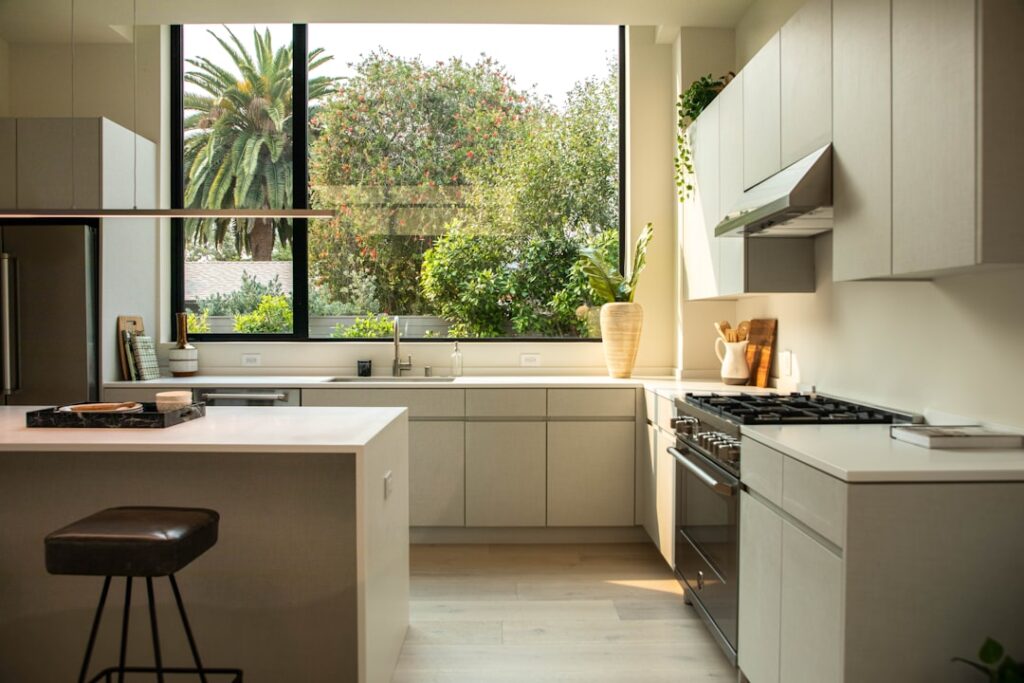
Here is a number that surprises most homeowners: replacing just the doors and drawer fronts can transform a kitchen for roughly a quarter to a half of what new cabinets cost, because the expensive part, the boxes, stays right where it is. Buying cabinet doors only is one of the smartest updates in home improvement when your existing cabinet boxes are structurally sound but the doors look dated, damaged, or simply wrong for your taste. I have steered plenty of clients away from a full tear-out once they realized their boxes were perfectly fine.
This guide explains when door-only replacement makes sense, the styles and materials available, how to measure and order correctly, and the real costs so you can decide whether this is your project.
When Cabinet Doors Only Makes Sense
Choosing cabinet doors only works when the cabinet boxes, the sides, backs, and shelves, are solid and square. If your boxes are level, not water-damaged, and laid out the way you want, there is no reason to pay to rip them out. New doors and drawer fronts change nearly everything you see, since the door faces make up the vast majority of a kitchen’s visual surface.
This route does not make sense if the boxes are falling apart, the layout is wrong, or the cabinets are cheap particleboard that is swelling and sagging. In those cases, refacing or full replacement is the better spend. But for a dated-but-sturdy kitchen, doors-only is the value play.
Doors Only vs. Refacing vs. Full Replacement
It helps to understand the three tiers and what each includes:
- Cabinet doors only: you buy just the doors and drawer fronts, reusing the boxes and the visible box faces as-is. Cheapest.
- Refacing: new doors and drawer fronts plus a matching veneer or laminate applied over the exposed box faces, so everything matches. Mid-cost.
- Full replacement: new boxes, doors, and fronts. Most expensive and most disruptive.
If your existing box faces are a finish you can live with or repaint, doors-only is enough. If the box faces are worn or clash with the new doors, refacing gives a seamless result. Doors-only plus a coat of paint on the exposed box faces is a common DIY compromise.
Door Styles and Materials
New doors are your chance to change the entire look. Common styles include:
- Shaker: a clean recessed-panel frame, the most popular and versatile style.
- Raised panel: a traditional, more ornate look.
- Flat / slab: a single flat panel for a modern, minimal aesthetic.
- Glass-front: for display cabinets and lightening a wall of uppers.
Materials range from solid wood and MDF (which paints beautifully and resists warping) to thermofoil and laminate. For a painted look, MDF or a solid-wood-and-MDF combination is often the best value. For a stained wood grain, choose a solid hardwood like maple, oak, or cherry.
Measuring for Cabinet Doors Only
Accurate measuring is critical because doors are made to order. Most kitchens use overlay doors, which sit on top of the box opening and overlap the frame. To measure for a standard 1/2-inch overlay, measure the opening and add 1 inch to both width and height, so the door overlaps 1/2 inch on all sides.
Work methodically:
- Measure each opening’s width and height precisely, to the sixteenth of an inch.
- Note the hinge type and overlay of your existing setup, or decide on a new one.
- Label every door and drawer front by location so replacements go back correctly.
- Measure drawer fronts the same way, accounting for overlay.
If your cabinets are frameless (European style) or use inset doors, the measuring differs, so confirm your cabinet type before ordering. Many door suppliers provide a measuring worksheet; use it and double-check every number, because custom doors are non-returnable.
Hinges, Hardware, and Installation
Decide on hinges early because they affect how you order. Concealed European hinges are the modern standard and allow soft-close adjustment; you may need to bore new 35mm cup holes if your old doors used a different hinge. Match the overlay and hinge type to your boxes.
Installation is well within DIY reach for a handy homeowner. Remove the old doors, install hinges on the new doors, mount them, and adjust the three-way hinge screws until every door hangs level with even gaps. Budget a full day for an average kitchen. Add new knobs or pulls at the same time; fresh hardware amplifies the effect of new doors for very little money.
What Cabinet Doors Only Costs
The savings are the whole point. Rough 2024 to 2025 figures:
- Stock or semi-custom doors: $15 to $60 per door depending on material and style.
- Custom painted MDF doors: $40 to $100 per door.
- Solid wood custom doors: $60 to $150 per door.
- Average kitchen (20 to 30 doors and fronts): $600 to $3,000 in doors.
- Hinges and hardware: $3 to $15 per hinge, $2 to $10 per knob or pull.
Compare that with $10,000 to $30,000 for full cabinet replacement, and the appeal is obvious. Even adding professional installation, a doors-only refresh typically lands well under half the cost of new cabinets.
Is Doors-Only Right for Your Kitchen
Check the boxes first, literally. Open every cabinet, look for water damage, sagging shelves, and racking. If the structure is sound and the layout suits you, buying cabinet doors only is the highest-return update you can make short of a full remodel. If the boxes are failing or the layout is wrong, put your money toward refacing or replacement instead.
Done right, new doors, fresh hardware, and maybe a coat of paint on the exposed box faces deliver a kitchen that looks entirely new, on a budget that leaves room in the bank for the counters or backsplash you actually want.
Where to Buy Cabinet Doors Only
You have several sourcing options, each with trade-offs. Online custom-door manufacturers are the most flexible; you submit your measurements and specifications and receive made-to-order doors in your chosen style, wood, and finish, often at competitive prices. This is usually the best route for a full-kitchen refresh where you want a specific look. Order a single sample door first to confirm the finish and quality before committing.
Home centers stock ready-made doors in common sizes and a few styles, which can work if your openings happen to match standard dimensions, though the selection is limited. Local cabinet shops and millworkers cost more but offer craftsmanship, precise matching, and hands-on advice, which is valuable for odd sizes or period homes. Some manufacturers, like those that make a specific line of stock cabinets, sell replacement doors directly if you want an exact match to existing boxes. Compare price, lead time, finish quality, and return policy, and remember that custom doors are typically non-returnable, so accuracy up front is everything.
Finishing and Maintaining Your New Doors
If you buy unfinished doors to save money, plan the finish carefully because it determines both looks and durability. For a painted result, prime with a quality bonding primer, then apply two coats of a durable cabinet enamel, spraying or using a fine foam roller to avoid brush marks. For stained wood, use a pre-stain conditioner on blotch-prone species like maple, then stain and topcoat with a clear polyurethane or lacquer. A factory finish, where available, is more durable and even than most job-site work and is worth the upcharge if you can get it.
Once installed, new doors are easy to keep looking good. Wipe them with a damp microfiber cloth and mild soap, avoiding harsh abrasives that dull the finish, and dry promptly since standing water damages both paint and wood over time. Adjust the hinges seasonally if doors drift out of alignment; the three-way European hinges make this a two-minute fix with a screwdriver. Add felt bumpers to quiet the closing if your hinges are not soft-close. Treated well, a set of quality doors will look sharp for many years, extending the life of a kitchen refresh that cost a fraction of full replacement.
Plan the project timeline so your kitchen is not out of commission longer than necessary. Because you are reusing the boxes, you can order and finish the new doors while the old ones stay in place, then swap them over in a single day once everything is ready. Number and photograph the existing layout before you start, label the new doors to match, and set aside a few hours for hinge adjustment at the end so every door hangs with even gaps. Doing the finishing work before install day keeps the disruption to your kitchen minimal.
Weigh the full scope honestly against your goals before you commit. Doors-only is the right call when the boxes are sound, the layout works, and you mainly want a fresh look; it delivers the biggest visual change per dollar of any kitchen update short of a remodel. If the boxes are damaged, the layout frustrates you, or you want to change cabinet sizes or add storage, refacing or full replacement is the better use of money even though it costs more. Match the approach to the actual condition of your cabinets, and buying cabinet doors only becomes one of the smartest, highest-return improvements you can make to a dated but structurally sound kitchen.