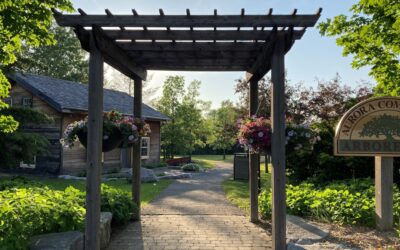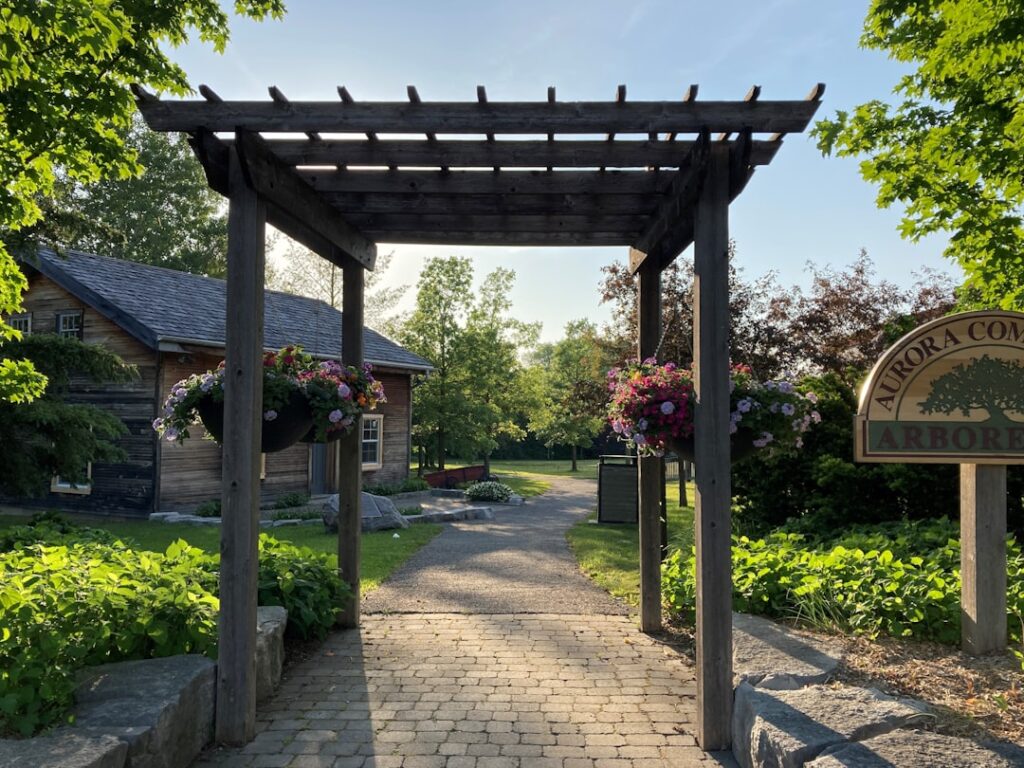
A bare pergola looks beautiful in a catalog, but if you’ve ever sat under one at 2 p.m. in July, you know open rafters do little to fight the sun. The right roof transforms a decorative frame into a genuinely usable outdoor room. The best pergola roof designs balance shade, weather protection, airflow, and budget, and the option you choose dramatically changes how often you’ll actually use the space. I’ve built and retrofitted dozens of these covers, and the difference between the right and wrong roof is whether the patio gets used three months a year or nine.
Part of our Roofing guide — explore the full guide →
- Open Slat (Traditional Rafter) Roofs
- Louvered (Adjustable) Roofs
- Polycarbonate Panel Roofs
- Retractable Canopy Roofs
- Gable and Pitched Roofs
- Living (Green) Roofs with Climbing Vines
- Shade Sails and Cloth Add-Ons
- Metal Roof Panels for Maximum Durability
- Drainage and Pitch: The Detail People Forget
- Matching the Roof to Your Climate and Budget
Open Slat (Traditional Rafter) Roofs
The classic pergola roof is simply a grid of rafters and cross-slats, usually 2×6 or 2×8 lumber spaced 12 to 16 inches apart. It’s the cheapest option, often built into the pergola itself, and it casts a striped pattern of partial shade that shifts through the day. The downside is obvious: it doesn’t stop rain and offers maybe 40 to 50 percent shade at midday. Tightening the slat spacing or angling the boards toward the southern sun improves coverage noticeably.
Louvered (Adjustable) Roofs
If you want one design that does everything, a louvered roof is the premium answer. Motorized aluminum louvers pivot from fully open to fully closed, so you can let breeze and light through on a mild evening, then close them tight when a storm rolls in. Brands like Struxure and Renson build integrated gutters into the frame to channel rainwater away.
Expect to pay $100 to $250 per square foot installed, which makes a 12×16 louvered pergola a $20,000-plus investment. The payoff is year-round usability and the ability to control sun and rain with the push of a button.
Polycarbonate Panel Roofs
For full rain protection at a fraction of the louvered price, clear or tinted polycarbonate panels are hard to beat. The panels are lightweight, shatter-resistant, and block up to 99 percent of UV rays while still letting daylight through. Twin-wall and triple-wall polycarbonate adds insulation and diffuses harsh light.
- Cost: roughly $3 to $7 per square foot for materials
- Lifespan: 10 to 20 years before UV yellowing sets in
- Best for: homeowners who want a dry patio without blocking all light
Install panels on a slight slope, at least a 5-degree pitch, so water sheds and debris doesn’t pool.
Retractable Canopy Roofs
A fabric canopy that slides along a track gives you the best of both worlds: open sky when you want it and shade when you don’t. Wave-style canopies in marine-grade Sunbrella fabric resist fading and mildew and come in dozens of colors. Pull the canopy closed on a hot afternoon, then retract it at dusk to watch the stars.
Manual track systems run $200 to $600 for a kit; motorized versions cost more. The fabric typically needs replacing every 7 to 10 years, which is the main long-term consideration.
Gable and Pitched Roofs
For a pergola that reads more like an outdoor pavilion, a peaked gable roof clad in metal or shingles delivers full protection and a finished, architectural look. The pitch sheds rain and snow efficiently, making this the smart choice in northern climates. Pair it with a ceiling fan and recessed lighting and you’ve essentially built a covered porch detached from the house.
Gable roofs cost more in framing and require proper engineering for snow loads, but they’re the most weatherproof of all pergola roof designs.
Living (Green) Roofs with Climbing Vines
The oldest pergola cover of all is a canopy of plants. Train wisteria, climbing roses, grapevines, or trumpet vine over the rafters and within two or three growing seasons you’ll have dense, cooling shade plus fragrance and seasonal color. A vine canopy can drop the temperature underneath by 10 to 15°F compared to bare wood.
The trade-offs are patience and upkeep: vines need pruning, drop leaves in fall, and won’t stop rain. They also add significant weight, so size your posts and beams accordingly, usually 6×6 posts minimum.
Shade Sails and Cloth Add-Ons
The budget-friendly way to add instant shade is a triangular or rectangular shade sail stretched between the pergola corners. UV-rated HDPE sails block 90 to 95 percent of sunlight, cost $30 to $150, and install in an afternoon with turnbuckles. They’re not waterproof, but for pure sun relief on a tight budget, nothing beats the value.
Metal Roof Panels for Maximum Durability
If long-term durability tops your list, corrugated or standing-seam metal panels deliver decades of weatherproof protection with almost no maintenance. Metal roofing on a pergola creates a fully shaded, rainproof outdoor room and stands up to snow loads and high winds far better than fabric or polycarbonate. The trade-off is that solid metal blocks all light, so the space beneath stays darker, and rain can be loud during a storm. Adding a section of clear polycarbonate or a skylight panel lets in daylight while keeping most of the structure dry. Expect $4 to $12 per square foot for materials, putting metal between polycarbonate and a full gable roof on cost.
Drainage and Pitch: The Detail People Forget
Whatever roof you choose, drainage makes or breaks the design. A flat pergola roof collects standing water and debris that rots wood and stains panels. Build in a minimum slope of about 1 inch per foot so water runs off cleanly, and add gutters or a scupper if the runoff would dump onto a doorway or walkway. Louvered and metal roofs often have integrated channels, but with polycarbonate and canopy designs you’ll need to plan the pitch yourself. Getting the drainage right from the start prevents the pooling, sagging, and rot that ruin an otherwise beautiful pergola within a few seasons.
Matching the Roof to Your Climate and Budget
Choosing among pergola roof designs comes down to three questions: How much rain do you need to block? How much shade do you want? And what’s your budget? In a dry climate where you mostly fight sun, a retractable canopy or shade sail is plenty. In a rainy or snowy region, lean toward polycarbonate, gable, or louvered roofs that handle real weather. Match the structure’s posts and beams to the roof’s weight, seal the lumber against rot, and you’ll have an outdoor room that earns its keep for decades.