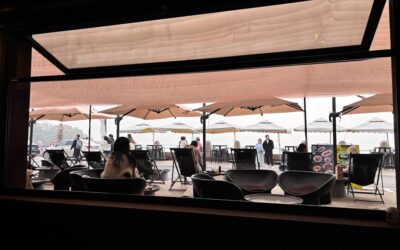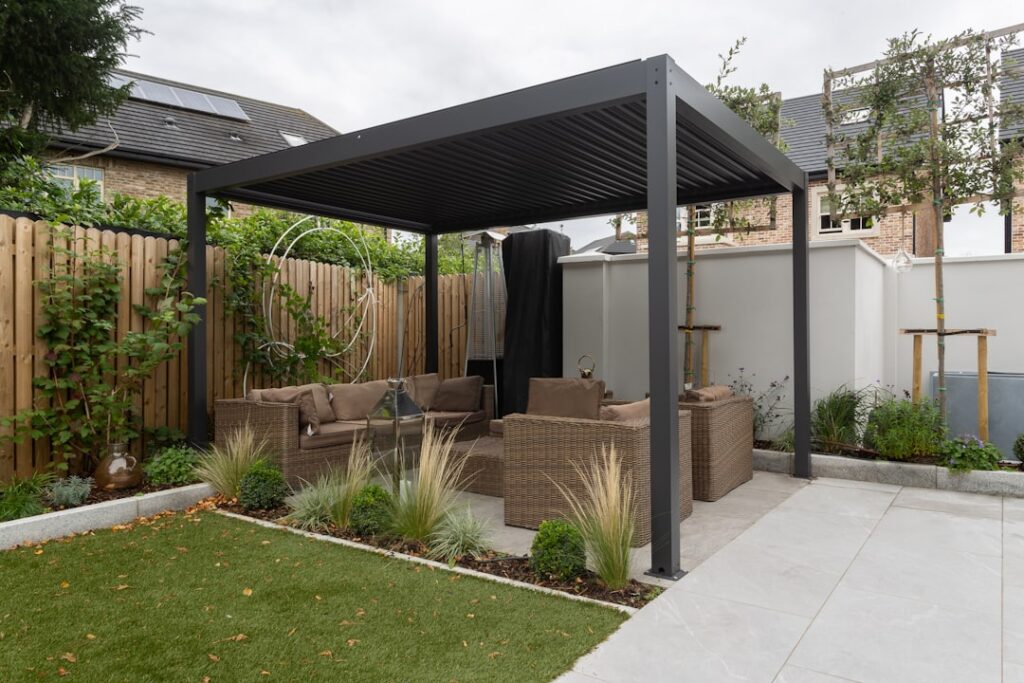
The whole appeal of a pergola is that dappled, airy light, until it is 95°F and you are baking under it with no relief. That is the problem retractable pergola shade was invented to solve. Instead of choosing permanently between sun and shade, a retractable system lets you slide, fold, or rotate a cover into place when you want protection and pull it back when you want the sky. In minutes you can go from full sun for a morning coffee to deep shade for an afternoon nap. Understanding how the different systems work will help you pick the one that fits your patio and your budget.
Part of our Decks & Outdoor guide — explore the full guide →
- The Basic Concept
- Slide-on-Wire Canopies
- Retractable Fabric Awning Systems
- Louvered (Adjustable Slat) Roofs
- Manual vs. Motorized Operation
- Choosing the Right Shade Fabric
- Installation and What to Expect
- Cost Comparison of the Different Systems
- Maintenance and Seasonal Care
- Installing Awnings for Pergolas: Kits, Fabric and Fastening
The Basic Concept
Every retractable shade system does the same fundamental thing: it moves a cover across the open top of your pergola on demand. The differences come down to the type of cover (fabric or rigid louvers), how it moves (sliding, folding, or rotating), and how you operate it (by hand or by motor). Some systems mount to an existing pergola; others are integrated into a purpose-built structure. The result is the same, adjustable shade that adapts to the weather and the time of day.
Slide-on-Wire Canopies
The most common and affordable retractable shade is the slide-on-wire canopy. Stainless steel cables run the length of the pergola between the beams, and panels of fabric hang from carriers that glide along those wires, much like a shower curtain on a rod. Push the fabric to one end and it stacks into neat accordion folds, exposing the open rafters; pull it across and you have full shade.
- Operation: Usually manual, you simply slide the fabric by hand or with a pole. Motorized upgrades exist.
- Cost: Roughly $1,000 to $4,000 depending on size and whether you install a kit yourself.
- Best for: Homeowners who want an attractive, budget-friendly way to add adjustable shade to an existing pergola.
The fabric is typically a solution-dyed acrylic like Sunbrella that blocks most UV and resists fading and mildew. It provides excellent shade but is water-resistant at best, so plan to retract it in heavy rain.
Retractable Fabric Awning Systems
A step up from slide-on-wire is a motorized retractable awning built into or mounted onto the pergola. These use a roller mechanism, the fabric winds onto a tube at one end and extends on rigid arms or along tracks. A wall switch or remote runs the motor, and the fabric rolls out flat and taut in seconds.
Because they retract completely into a housing when not in use, they protect the fabric from weather and extend its life. Many include wind sensors that automatically retract the awning in gusts to prevent damage. Expect $2,000 to $6,000 installed for a motorized pergola awning, more for larger spans or premium fabrics.
Louvered (Adjustable Slat) Roofs
The premium form of retractable shade is not fabric at all, it is a roof of rotating aluminum louvers. Instead of sliding a canopy sideways, you rotate rigid slats open or closed like a set of window blinds laid flat. Fully open, the louvers let sun and breeze through; angled, they filter light and let heat escape; fully closed, they overlap into a watertight roof.
- How it works: A motor (or hand crank on manual models) turns the louvers through their full range of rotation.
- Bonus: Unlike fabric, a closed louvered roof is genuinely waterproof, with rain channeled into gutters built into the frame.
- Cost: The highest of the group, commonly $100 to $250 per sq ft installed.
- Best for: A high-end, permanent outdoor living room where you want precise control over sun, shade, and rain.
Manual vs. Motorized Operation
Whichever style you choose, you will decide between manual and motorized operation. Manual systems, a hand-slid canopy or a crank-operated louver, are cheaper, have nothing electronic to fail, and work during a power outage. The tradeoff is the effort, and larger spans get awkward to move by hand.
Motorized systems run off a wall switch, remote, or smartphone app, and the better ones add automation: sun, rain, and wind sensors that deploy or retract the shade without you lifting a finger. They cost more up front and require power to the pergola, but for a large or frequently used space the convenience is worth it. If you go motorized, look for a system with a manual override so you are not stuck if the power goes out.
Choosing the Right Shade Fabric
For fabric-based systems, the material is the difference between a cover that lasts a couple of seasons and one that looks good for a decade. Solution-dyed acrylics such as Sunbrella are the gold standard, the color goes all the way through the fiber, so they resist fading, mildew, and stains and typically carry 10-year warranties. Vinyl-coated polyester is more waterproof and good for rainy climates but can feel less breathable. Consider the shade factor too: darker, tighter weaves block more UV and heat. In hot climates, a fabric that blocks 90 percent or more of UV makes a real difference in comfort underneath.
Installation and What to Expect
Slide-on-wire kits are genuinely DIY-friendly if your pergola is solid and square, you tension the cables, hang the carriers, and attach the fabric, usually a weekend project for a handy homeowner. Motorized awnings and louvered roofs are best left to professionals because they involve structural mounting, precise leveling, and electrical work.
Before you buy, confirm your pergola can handle the load, especially for heavy louvered systems, which may require reinforced posts and footings. Measure carefully; retractable systems need the right beam spacing and clearances to operate smoothly. And think about drainage, even a “shade” fabric will shed some water, so plan where that runoff goes so it does not pool on the cover or dump on your guests.
However it is engineered, retractable pergola shade gives you something a fixed cover never can, the freedom to choose sun or shade in the moment. Start with a slide-on-wire canopy if you want an affordable upgrade to an existing pergola, or invest in a motorized louvered roof if you want a four-season outdoor room. Either way, you finally stop having to pick between light and shade, and get to enjoy both.
Cost Comparison of the Different Systems
Budget usually narrows the field quickly, so here is how the main retractable options stack up. A DIY slide-on-wire canopy kit is the entry point at roughly $1,000 to $4,000 depending on size and fabric quality, less if you install it yourself on an existing pergola. Motorized retractable fabric awnings run about $2,000 to $6,000 installed, with the motor, sensors, and professional mounting driving the price.
Louvered aluminum roofs sit at the top, commonly $100 to $250 per square foot installed, so a 12-by-16-foot space can land anywhere from $15,000 to $40,000. That is a big jump, but you are buying a permanent, waterproof, four-season structure rather than a fabric cover that will need replacing. When you compare, factor in lifespan: fabric systems last 5 to 10 years and may need a new canopy midway, while a quality louvered roof is a decades-long investment. Match the spend to how central the space is to your daily life.
Maintenance and Seasonal Care
Keeping a retractable system working smoothly is mostly about routine care. For fabric canopies, rinse the material a few times a season, treat any mildew promptly, and make sure the carriers and tracks stay free of debris so the fabric glides without catching. In climates with real winters, retract fabric covers fully during storms and over the winter, or remove them entirely, to protect them from wind, snow load, and UV; this single habit can double a canopy’s lifespan.
Motorized systems benefit from checking the sensors and testing the manual override each season so you are never caught with a stuck cover. Louvered roofs need the least attention, an occasional wipe of the slats, clearing of the built-in gutters, and lubrication of the pivot points per the manufacturer’s schedule. Whichever system you own, a few minutes of seasonal upkeep keeps the shade deploying reliably for years. Ultimately, retractable pergola shade is about control, and with a little maintenance you keep that control, dialing in sun or shade exactly when you want it, season after season.
If you are still deciding, think about how you actually use the space. A morning-coffee patio that gets hot by noon is a perfect match for a simple slide-on-wire canopy you pull across when the sun climbs. A full outdoor dining and lounge area you use in every kind of weather justifies the investment in a motorized louvered roof. And if you rent or expect to move, a manual system you can uninstall and take with you makes more sense than a permanent structure. Matching the mechanism to your habits and your timeline is how you end up genuinely happy with the choice.
Installing Awnings for Pergolas: Kits, Fabric and Fastening
Awnings for pergolas turn an open frame into a space you can use at midday. Most homeowners choose between a retractable canopy kit that mounts to the existing beams and a motorized roller unit, and both depend on solid fastening and the right fabric to last.
Retractable Canopy Kits
A kit usually includes tracks or cables, carriers or a roller tube, end brackets and the fabric panel. Before ordering, measure the inside distance between beams at both ends and in the middle, because many older pergolas have drifted out of square. Note the rafter spacing and depth too, since tracks need a flat, continuous surface to run straight. If the frame racks or wobbles when pushed, add diagonal knee braces before hanging anything new.
Fabric Choices
Breathable woven acrylic lets heat rise through and dries fast after a shower. Open-weave mesh gives filtered shade with good airflow, a strong pick for very hot, breezy climates. Coated polyester or vinyl blocks rain best but traps more heat and needs a slope so water drains off the edge instead of pooling.
Fastening Into Beams and Rafters
Mount every bracket into solid beam or rafter wood with exterior-rated structural screws or through-bolts, following the kit spacing. Avoid fastening near board ends, where wood splits, and pre-drill hardwood or dense cedar. Stainless or coated hardware resists rust and staining. A pergola attached to the house should be tied into the ledger and house framing, not the siding, and a freestanding frame needs posts anchored to footings or a slab so the canopy cannot lift it in a gust.
Motorized Units and Electrical Safety
A motorized awning needs a power source at the pergola, and running that circuit is a job for a licensed electrician. Outdoor outlets and connections must be GFCI-protected with weatherproof in-use covers, and buried or surface wiring has to follow local code and permit rules. Before you connect a motor lead, replace a switch or touch any existing wiring, turn off the breaker and confirm power is off with a non-contact voltage tester. Never test or work on a live circuit. Low-voltage sensors and remotes still feed a line-voltage motor, so treat the whole system with care.
Working Safely Overhead
Pergola tops are high and the parts are long. Use a stable ladder or platform on level ground, keep three points of contact and have a helper hold the opposite end of tracks and roller tubes. Wear eye protection when drilling overhead.
Wind and Seasonal Care
Retract the awning in strong wind and whenever you leave for the day, or add a wind sensor to a motorized unit. Brush off debris, let wet fabric dry fully before storing it rolled and check fasteners each spring.