Coffee shops have a brutal flooring problem most owners don’t see until year three — the steady drip of espresso, milk, and pastry crumbs at every table, plus the constant traffic from baristas pivoting on slick wet shoes behind the counter, destroys the wrong product fast. Cafe flooring has to clear three hurdles simultaneously: a wet DCOF of 0.42 or higher for slip-and-fall liability, durability that survives 200 to 800 pairs of feet a day, and an aesthetic that supports the brand without screaming at customers. Get the spec right and the same floor lasts a decade. Get it wrong and you’re closed for replacement three years in, losing both money and momentum.
The Front-of-House vs. Back-of-House Split
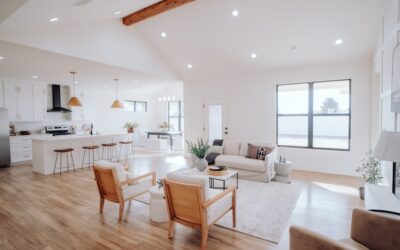
A smart spec starts with separating the design needs of the customer-facing seating area from the bulletproof needs behind the counter. Front of house can lean into character and warmth — wood-look porcelain, polished concrete, vintage-look hex tile, or warm-tone LVT. Back of house is a different animal: continuous welded sheet vinyl or epoxy with mandatory slip-rated texture, stainless cove base, and floor drains.
The transition between the two zones happens at the counter and demands a clean, watertight detail. A 6-inch threshold tile with sloped silicone caulk on the wet side keeps water out of the customer area. Skip this and the dining-room floor will tell you it’s wrong within a season.
Porcelain Tile: The Workhorse Choice
For cafes targeting longevity over budget, porcelain tile is hard to beat. Modern wood-look porcelain in 8×48 plank format hides crumbs and stains in the grain, looks warm enough to feel inviting, and survives roller carts and dropped ceramic mugs. Spec porcelain rated PEI 4 or PEI 5 for commercial use, with a wet DCOF of 0.42 or higher.
Use epoxy grout (Mapei Kerapoxy, Ardex WA) instead of cement-based grout — it never needs sealing and resists coffee staining indefinitely. Installed cost runs $9 to $16 per square foot. Daltile, Crossville, and MSI all offer porcelain lines specifically marketed for foodservice with verified DCOF data.
LVT and SPC: The Aesthetic Alternative
Commercial-grade LVT (luxury vinyl tile) and rigid-core SPC have earned a real place in cafe design over the last five years. Brands like Tarkett ID Inspiration, Karndean Design Flooring, and Mannington Adura Apex offer 22-mil to 30-mil wear layer goods rated for heavy commercial traffic. Installed cost runs $5 to $10 per square foot, well below porcelain.
The advantages are warmth underfoot, sound dampening (cafes are often acoustically harsh), and faster install — a 1,500 sq ft dining room can be done in 2 to 3 days. The trade-offs are scratch susceptibility from chair legs and a lower lifecycle than porcelain. Use felt floor protectors on every chair leg and budget on a 10 to 15-year replacement cycle versus 25+ for tile.
Polished Concrete: The Industrial-Chic Option
Polished concrete fits the third-wave coffee aesthetic and works exceptionally well over an existing slab. A mechanically polished and densified slab with a penetrating sealer runs $4 to $9 per square foot — a strong value compared to anything else in the cafe-flooring space. The downside is that polishing reveals every existing crack and stain, and slip resistance must be added with topical anti-slip treatments.
Plan a stain-control protocol from day one. Coffee, milk, and acidic beverages (orange juice, espresso) etch unsealed concrete within seconds. Use a high-density lithium silicate densifier plus a stain guard like Ameripolish 3D HS, and reapply every 2 to 4 years.
Pros of Spec-Right Cafe Flooring
- Slip resistance protects against expensive customer and employee fall claims
- Durable surfaces survive 5 to 25 years of daily traffic without major refinishing
- Easier cleaning means less labor cost and more consistent presentation
- Hard surfaces handle daily mopping with food-service-rated cleaners
- Strong design options support brand identity and customer experience
- Compatible with floor mats at entries and behind counters for added safety
Cons and Honest Trade-Offs
- High first cost — proper commercial cafe flooring runs $7 to $18 per sq ft installed
- Hard surfaces increase ambient noise; pair with acoustic ceiling treatment
- Grout lines (with cement grout) stain dark from coffee within months
- Polished concrete is unforgiving of dropped ceramic — broken cups are common
- Specialized installers required for welded seams, large-format porcelain, and concrete polishing
- Tile and concrete are cold underfoot — uncomfortable in northern climates without radiant heat
Buying Guide: How to Spec Without Regret
Three questions to answer before you order. What’s the daily customer count and average dwell time? (Drives durability spec.) Is there a separate kitchen and back of house, or is it open behind the counter? (Drives slip-resistance and drain requirements.) What’s the brand aesthetic — modern, vintage, industrial, warm? (Drives material choice within the durability envelope.)
For a typical 1,500 sq ft cafe with seating for 40, plan on $14,000 to $28,000 for cafe flooring including dining room and back-of-house. Get bids from at least three commercial flooring contractors and require ANSI A326.3 DCOF certificates, FloorScore certification, and written warranties for both material and labor (1 year minimum on labor, 10 to 25 years on material). Skip residential-grade products even if they look identical — the warranty difference alone is worth the upcharge.
Frequently Asked Questions
What’s the best floor for behind a cafe counter?
Heat-welded sheet vinyl or epoxy with broadcast slip texture and a floor drain. Wet DCOF should hit 0.55+ for the constant water and milk exposure baristas deal with daily.
Can hardwood work in a cafe?
For dining rooms only, with realistic expectations. Engineered oak with a commercial-grade aluminum oxide finish handles cafe traffic, but plan on refinishing every 4 to 7 years and protecting from coffee staining with prompt cleanup.
How much does refinishing cost?
Polished concrete touch-up runs $1.50 to $3 per sq ft. LVT replacement averages $5 to $10 per sq ft. Porcelain tile rarely needs refinishing — replace damaged tiles individually for $20 to $80 each installed.
What slip rating does a cafe floor need?
Wet DCOF of 0.42 minimum throughout the customer area, 0.55+ behind the counter and at entry vestibules. Tested per ANSI A326.3 with documentation kept on file for liability defense.
Prefer to explore on your own?
See how new flooring looks in your actual room in seconds — free, no signup.
Try the free Floor Studio →