Bleach feels like the nuclear option for a grimy bathroom floor — and sometimes it is exactly the right tool. But can you use bleach on tile floors safely? The honest answer is: it depends entirely on what your tile and grout are made of. Diluted bleach works well on glazed ceramic and porcelain, but it can permanently etch natural stone and fade colored grout. Used carelessly, it can also create dangerous gases. Here’s how to use it correctly and where to avoid it altogether.
- The Critical Safety Warning: Never Mix Bleach
- Ceramic and Porcelain: Bleach Is Generally Safe
- Natural Stone: Do Not Use Bleach
- What Bleach Does to Grout
- How to Clean Tile Floors With Bleach, Step by Step
- Safer Alternatives for Routine Cleaning
- How Often Should You Use Bleach?
- Protecting Yourself and Your Home
- The Bottom Line
The Critical Safety Warning: Never Mix Bleach
Before anything else, the most important rule of cleaning with bleach: never combine it with ammonia or vinegar. Mixing bleach with ammonia produces toxic chloramine vapors, and mixing it with vinegar (or other acids) releases chlorine gas. Both can cause serious respiratory harm and have sent people to the emergency room. Many tile and glass cleaners contain ammonia, so don’t layer bleach over a floor you just cleaned with another product. Use bleach on its own, and always open windows and run a fan to ventilate the room.
Ceramic and Porcelain: Bleach Is Generally Safe
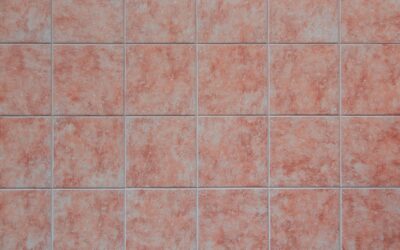
Glazed ceramic and porcelain tile have a hard, non-porous fired surface that stands up to diluted bleach without damage. These are the tiles where bleach earns its reputation, cutting through soap scum, mildew, and stubborn stains in showers and bathroom floors. Mix roughly 3/4 cup of bleach per gallon of water, or about a 1:10 ratio, for routine floor cleaning. For mildew spots, you can go slightly stronger, but stronger isn’t always better — it just increases fumes and rinse time.
Apply with a mop or sponge, let it sit for 5 to 10 minutes so it can work, then rinse thoroughly with clean water. Leftover bleach residue attracts dirt and can dull the surface over time.
Natural Stone: Do Not Use Bleach
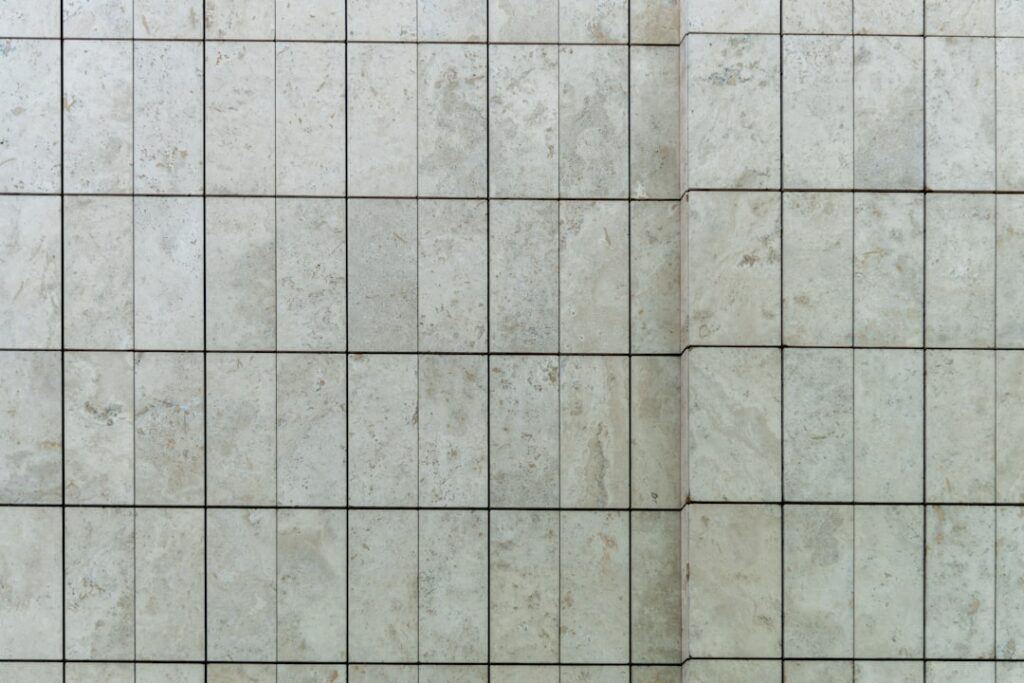
This is the hard no. Natural stone — marble, travertine, slate, limestone, and granite — should never be cleaned with bleach. Bleach is alkaline and reacts with the minerals in stone, etching the surface, dulling the polish, and discoloring it permanently. Acidic and harsh cleaners do the same damage. For natural stone floors, use only a pH-neutral stone cleaner.
If you’re not certain whether your tile is porcelain or stone, test in a hidden corner first, or assume stone and skip the bleach. A single etched marble tile is expensive to replace.
What Bleach Does to Grout
Grout is where bleach gets complicated. White or light grout can actually brighten with diluted bleach, which is why it’s a popular grout-whitening trick. But colored grout is another story — bleach can lighten or blotch tinted grout, leaving you with uneven patches that are hard to fix.
- White/gray grout: bleach can safely brighten it when diluted and rinsed
- Colored grout: bleach may fade or discolor it — test first or avoid
- Unsealed grout: very porous, so bleach can penetrate and weaken it over repeated use
For grout lines specifically, an oxygen bleach (sodium percarbonate) is gentler than chlorine bleach and far less likely to discolor.
How to Clean Tile Floors With Bleach, Step by Step
- Confirm your tile is ceramic or porcelain, not natural stone
- Open windows and turn on a fan to ventilate
- Wear gloves and old clothes — bleach ruins fabric on contact
- Mix 3/4 cup bleach per gallon of cool water (never hot, which boosts fumes)
- Sweep or vacuum the floor first so you’re not pushing grit around
- Mop on the solution and let it dwell 5 to 10 minutes
- Rinse the floor with clean water — twice for grout-heavy areas
- Dry with a towel or let the room air out
Safer Alternatives for Routine Cleaning
Bleach is best reserved for disinfecting and tackling mildew, not everyday mopping. For regular maintenance on any tile, a few gentler options keep floors clean without the fumes or fade risk:
- Mild dish soap and warm water for general cleaning on any tile type
- pH-neutral tile cleaner safe for stone and grout alike
- Oxygen bleach paste for grout stains, gentler than chlorine bleach
- Baking soda paste scrubbed into grout, then rinsed
How Often Should You Use Bleach?
Even on bleach-safe ceramic and porcelain, frequency matters. Bleach is a disinfectant and stain-lifter, not a daily cleaner, and over-relying on it can gradually dull glaze, weaken grout, and leave behind a film if not rinsed well. For most homes, reserve bleach for occasional deep cleans — when mildew appears in a bathroom, after illness in the household, or a few times a year to brighten dingy grout. For everyday mopping, a mild soap solution keeps floors clean without the wear or the fumes.
High-moisture rooms like bathrooms and basements benefit most from periodic bleach treatment because they’re where mildew takes hold. Kitchens and living areas rarely need it at all.
Protecting Yourself and Your Home
Bleach deserves respect as a chemical. Beyond never mixing it with ammonia or vinegar, take a few standard precautions every time you use it. Wear rubber gloves to protect your skin, and consider eye protection if you’re working with stronger solutions or scrubbing overhead. Bleach splashes will permanently discolor carpets, rugs, and clothing, so move textiles out of the room and wear old clothes. Keep the area ventilated for the duration of the job and for a while afterward, and keep pets and children away until the floor is rinsed and dry.
- Always dilute — full-strength bleach is unnecessary and harsher on surfaces
- Use cool water, since hot water increases fume release
- Store bleach away from acids and ammonia-based products
- Rinse mops and buckets thoroughly after use
The Bottom Line
So, can you use bleach on tile floors? Yes — on glazed ceramic and porcelain, diluted and well rinsed, with the windows open. Keep it far away from natural stone, test it on colored grout before committing, and never, ever mix it with ammonia or vinegar. Treat it as an occasional deep-cleaning and disinfecting tool rather than your daily mop solution, and your tile will stay bright without taking damage.
Prefer to explore on your own?
See how new flooring looks in your actual room in seconds — free, no signup.
Try the free Floor Studio →