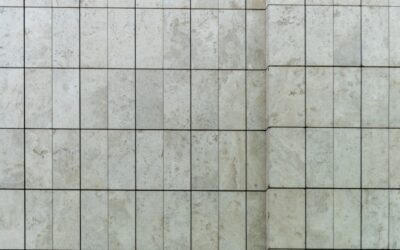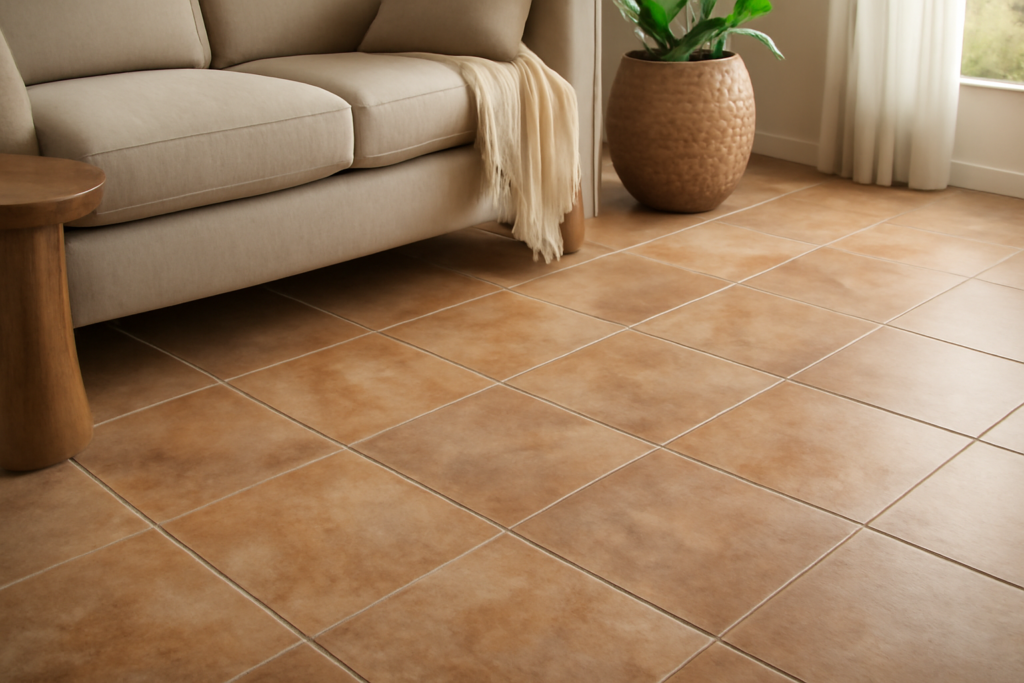
Canyon tile takes its name from the layered, sun-baked look of desert rock, and that is exactly the mood it brings into a room. Whether you are shopping a porcelain line literally branded “Canyon” or simply chasing that warm, terracotta-to-sandstone palette, this style has quietly become one of the most requested looks in kitchens, entryways, and outdoor patios. It reads natural without the maintenance headaches of real stone, and it hides dust and foot traffic far better than a stark white floor. Before you buy a single box, though, it pays to understand the color range, the sizes that actually work in a home, and what you should expect to spend.
What “Canyon Tile” Actually Refers To
The term gets used two ways, and knowing which one a salesperson means will save you confusion. First, several manufacturers sell specific collections named Canyon, usually glazed porcelain that mimics travertine, slate, or weathered sandstone. Second, “canyon” describes a broad color family: warm browns, rust, ochre, clay, and muted gray-beige tones that echo layered rock formations. Both share the same design goal, which is to bring the outdoors in with earthy, organic warmth.
Most canyon-look products today are porcelain rather than natural stone. That matters. Porcelain is fired at higher temperatures, absorbs almost no water, and comes through with a hardness that shrugs off scratches. You get the visual richness of stone with a fraction of the sealing and babysitting. A handful of premium lines still use genuine slate or travertine quarried with those canyon hues, and those cost more and demand periodic sealing.
Color and Finish Options
The palette is the whole point, so spend real time here. Warm-leaning canyon tiles pull from rust, amber, and burnt sienna, and they pair beautifully with cream cabinetry and bronze fixtures. Cooler versions lean toward gray-taupe and slate, which suit modern spaces with black hardware and white walls. Many collections deliberately blend both, giving each tile subtle streaks and mineral flecks so no two pieces look identical.
Finish changes the personality entirely. A matte or honed surface feels soft and understated and hides water spots, which makes it a smart pick for floors and bathrooms. A textured, slate-look finish adds grip underfoot and works well on patios, pool surrounds, and mudroom entries where wet feet are a given. Polished canyon tile exists but is less common, because a high shine fights the naturally rugged character of the style.
Best Rooms and Applications
Canyon tile is genuinely versatile, but it shines in specific spots. In a kitchen, its warm speckling forgives crumbs and dropped flour between mopping. In an entryway or mudroom, the earthy tones disguise tracked-in grit far better than pale porcelain. Bathrooms benefit from the spa-like, natural-stone feel, especially in a walk-in shower paired with matching wall tile.
Outdoors is where the style earns its name. Textured, frost-rated canyon porcelain handles freeze-thaw cycles, resists fading in direct sun, and gives patios and walkways a grounded, landscaped look. If you want indoor-outdoor flow, run the same tile from a kitchen out onto a covered porch to blur the boundary. Just confirm the specific product is rated for exterior and wet use before you commit.
Sizes and Layout Ideas
You will find canyon tile in a wide range of formats, and the size you choose shifts the whole feel of the room. Here are the common options and where each makes sense:
- 12×12 and 12×24 inches: the workhorses for floors, easy to install and widely stocked.
- 6×24 and 8×48 plank shapes: stone-and-wood hybrids that lay out like flooring boards for a linear, contemporary look.
- Large 24×24 and 24×48 formats: fewer grout lines, a cleaner sweep across open floors, ideal for modern spaces.
- Mosaic sheets and 2×2 chips: for shower floors, accent bands, and backsplash detail.
For layout, a subtle offset or one-third stagger keeps the natural randomness looking believable, while a straight grid feels crisper and more modern. Pull tiles from several different boxes as you work so the color variation distributes evenly and you do not end up with a patch of all-rust tiles in one corner.
Cost and What to Budget
Pricing depends heavily on whether you buy porcelain or genuine stone and on the format. Glazed porcelain canyon tile typically runs from about $2.50 to $6 per square foot at the material level, with large-format and premium textured lines pushing toward $7 to $9. Real slate or travertine in canyon tones generally starts around $6 and climbs past $12 per square foot.
Installation is the bigger line item for most homeowners. Expect $8 to $15 per square foot for professional labor, more if the crew has to level a subfloor, demo old tile, or handle intricate large-format setting that requires leveling clips. A standard 150-square-foot kitchen floor, installed with mid-grade porcelain, often lands somewhere between $2,000 and $3,500 all in. Always add ten percent extra tile for cuts, waste, and future repairs from the same dye lot.
Care and Maintenance
One of the quiet advantages of a canyon-look floor is how little it asks of you. Porcelain versions need nothing more than regular sweeping and a damp mop with a neutral pH cleaner. Skip harsh acids and abrasive pads, which can dull a matte finish over time. Because the earthy color hides dust, you can stretch the time between deep cleans without the floor looking neglected.
If you chose natural stone, plan to seal it on installation and re-seal roughly once a year, or whenever water stops beading on the surface. Grout is the real maintenance point on any tile floor, so consider an epoxy grout or a quality sealed cement grout in a color that flatters the canyon tones, typically a warm greige or soft brown that keeps dirt from standing out.
Design Mistakes to Avoid
A few missteps trip up first-time buyers of canyon tile, and all of them are easy to sidestep. The most common is choosing a color from a single tile rather than a spread of several pieces. Because canyon tile is deliberately varied, one tile tells you almost nothing about how the whole floor will read, so always look at a mock-up of five or six tiles together before committing. The second mistake is pairing a busy, high-variation tile with equally busy walls or cabinetry, which makes a room feel restless. Let the tile lead and keep the surrounding finishes calmer.
Grout color is another quiet pitfall. A stark white grout against warm rust tiles fractures the natural look into an obvious grid, while a grout matched to the mid-tone of the tile lets the surface flow. Finally, do not skip the sample-underfoot test in your own lighting. Canyon tones shift noticeably between cool daylight and warm evening bulbs, and a color that looked perfect in the store can read muddy or orange at home. Bring a few tiles into the actual room and view them morning and night before you order a full floor.
Is Canyon Tile Right for You?
If you want a floor or wall that feels grounded, warm, and forgiving, canyon tile delivers that on almost any budget. Porcelain versions give you durable, low-maintenance performance with a rich natural look, and they work indoors and out. Choose a matte or textured finish for practicality, order from a single dye lot with extra for waste, and lean on a flattering grout color to tie the whole installation together. Done right, it is the kind of floor that looks intentional for decades rather than dated in a few years.
Prefer to explore on your own?
See how new flooring looks in your actual room in seconds — free, no signup.
Try the free Floor Studio →