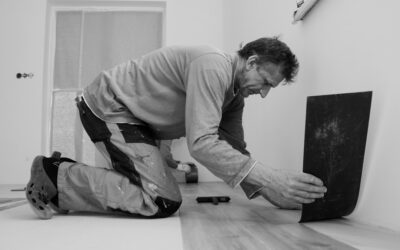
Searching for carpet installation in Minneapolis, MN? After a few months of subzero mornings, most Minnesotans understand the appeal of a warm, soft floor. Carpet is still the top choice for many basement family rooms, bedrooms, and upstairs spaces in older homes here. Local installers can fit plush new carpet for bedrooms, durable berber for basement rec rooms and stairs, and carpet tiles for home gyms and lower-level offices.
Our network connects homeowners throughout the Greater Minneapolis area with vetted carpet installers. Request free quotes from several contractors and compare them before you sign.
- Our Carpet Installation Services in Minneapolis
- Warmth Through a Long Winter
- Carpeting a Minneapolis Basement
- Steep Stairs and Upstairs Bedrooms
- Dry Air, Static, and Allergens
- Snow, Salt, and Pets
- Choosing Fiber for Minnesota Living
- Cost and Scheduling
- How It Works
- Helpful Flooring Guides
- Frequently Asked Questions
- How much does carpet installation cost in Minneapolis?
- How long does carpet installation take?
- Do I need to be home during installation?
- Are your Minneapolis flooring contractors licensed?
- Do you offer free estimates in Minneapolis?
- Can carpet be installed in winter?
- What pad is best for a cold basement?
- How do I get salt stains out of carpet?
Our Carpet Installation Services in Minneapolis
- Wall-to-wall carpet installation
- Carpet tile installation
- Stair carpet and runners
- Carpet padding replacement
- Old carpet removal and disposal
- Commercial carpet installation
- Carpet stretching and repair
- Pet-resistant carpet options
Warmth Through a Long Winter
Minneapolis winters are long and cold, and floors over basements, crawlspaces, and unheated porches can feel chilly for months. Carpet and pad act as a layer of insulation. A thicker, denser pad adds warmth and comfort underfoot, though it should still be firm enough to support the carpet and keep it from wrinkling.
If you have radiant floor heat, choose a thinner pad and carpet rated for use with in-floor heating so warmth reaches the room efficiently. Your installer can help you balance comfort and heat transfer.
Carpeting a Minneapolis Basement
Finished basements are everywhere in the Twin Cities, and carpet is a natural fit for family rooms, guest rooms, and play areas below grade. To keep it dry and fresh:
- Check that gutters, downspouts, and grading direct spring snowmelt away from the foundation.
- Test the slab for moisture before installation.
- Choose synthetic fibers that resist mildew and a pad with a moisture barrier.
- Consider carpet tiles or an insulated subfloor panel in basements with a history of dampness.
- Run a dehumidifier during humid summer months.
Basements in homes from the 1950s through the 1970s sometimes have old resilient tile or black adhesive underneath. These can contain asbestos. Test before removing them, or install new carpet over them when they are intact.
Steep Stairs and Upstairs Bedrooms
Many Minneapolis bungalows and story-and-a-half homes in neighborhoods like Longfellow, Nokomis, and Standish have steep, narrow stairs leading to upstairs bedrooms tucked under the roofline. Carpet on these stairs adds traction and quiets footsteps. A runner works well if the treads are attractive wood.
Upstairs rooms with sloped ceilings and knee walls take careful cutting and stretching. Ask whether the installer has experience with tight attic bedrooms, and confirm the stair count in the quote, since stairs are priced separately.
Dry Air, Static, and Allergens
With the furnace running through winter, indoor humidity in Minneapolis homes can drop very low. Static shocks on synthetic carpet are a common result. A furnace humidifier, anti-static carpet treatments, or nylon fibers with built-in static control help.
Closed-up winter houses also hold dust and pet dander. Frequent vacuuming with a filtered vacuum and a lower pile carpet keep allergens down. A periodic hot water extraction cleaning in spring clears out what winter left behind.
Snow, Salt, and Pets
De-icing salt and sand from sidewalks can stain carpet and wear down fibers near doors. Keep carpet out of the entry, use a hard-surface landing zone and boot tray, and pick stain-resistant fibers in medium tones. Dogs coming in from snowy yards bring melting ice and salt on their paws. Our best carpet for pets guide covers fibers that resist stains and claws.
Choosing Fiber for Minnesota Living
- Nylon: The most resilient synthetic. It springs back in hallways and on stairs and handles grit tracked in all winter.
- Polyester: Soft and colorfast at a lower price, a good fit for guest rooms and bedrooms with light traffic.
- Wool: Naturally warm and resistant to static, which helps in dry winter air, but it costs more and is better kept out of damp basements.
- Carpet tile: Practical for basement gyms, kids’ rooms, and anywhere a section might need replacing after a spill or minor water event.
Ask to see samples in your own light. Short winter days make colors look darker indoors than they do in a showroom.
Cost and Scheduling
Carpet pricing depends on the carpet, pad, square footage, stairs, and removal of old flooring. Basement moisture work and tight upstairs rooms add labor. Fall is a busy season as homeowners prepare for winter, so booking in late summer can help. See our carpet cost guide for typical ranges.
Compare quotes on carpet line, pad type and density, stairs, removal, disposal, and furniture moving. Thin pad is the most common shortcut in low bids and it shortens carpet life.
How It Works
- Request a free quote: Tell us about your project, room size, and carpet preferences.
- Get matched with local pros: We connect you with up to 3 licensed carpet installation contractors in the Greater Minneapolis area.
- Compare and choose: Review quotes, credentials, and reviews. Pick the installer that fits your budget and timeline.
Helpful Flooring Guides
More on carpet options, costs, and installation:
Frequently Asked Questions
How much does carpet installation cost in Minneapolis?
It depends on the carpet, the pad, room sizes, and extras such as stairs and removal. Polyester with standard pad is the budget choice, while nylon or wool with a premium pad costs more. Free local quotes will give you a firm number.
How long does carpet installation take?
Most homes are done in 1 to 2 days. A basement plus upstairs bedrooms with stairs may take a bit longer. Your installer will confirm the schedule at the estimate.
Do I need to be home during installation?
Be there at the start to confirm rooms and seam placement, and at the end for a walkthrough. Most Minneapolis crews can work on their own in between if they have access.
Are your Minneapolis flooring contractors licensed?
Yes. Professionals in our Minneapolis, MN network are licensed, insured, and background-checked. We verify credentials before connecting them with homeowners.
Do you offer free estimates in Minneapolis?
Yes. Quotes from our Minneapolis carpet installers are free with no obligation, and most will measure your home in person at no cost.
Can carpet be installed in winter?
Yes. Carpet installation happens year-round indoors. Let the rolls warm to room temperature before installation so they lay flat and stretch properly.
What pad is best for a cold basement?
A dense pad with a moisture barrier is a good start. For extra warmth, ask about an insulated subfloor beneath the pad, which also adds a gap between carpet and slab.
How do I get salt stains out of carpet?
Vacuum up dry salt first, then blot with warm water mixed with a little white vinegar, and rinse with plain water. Test in a hidden spot first and avoid scrubbing hard.