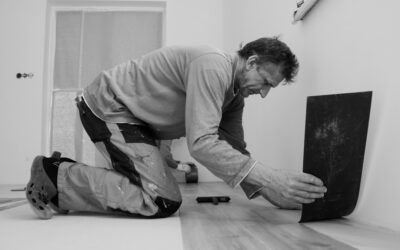
Searching for carpet installation in Phoenix, AZ? In a city where tile covers most living areas, carpet earns its place in bedrooms, upstairs lofts, and media rooms where softness and quiet matter. New carpet warms up a bedroom over a cool slab, durable berber takes heavy traffic in game rooms, and carpet tiles are handy in home offices and casitas.
We connect homeowners across the Phoenix metro with vetted carpet installers. Request free quotes, compare the details, and hire the installer that suits you.
- Carpet Installation Services in Phoenix
- Carpet in the Desert Heat
- Dust Storms and Monsoon Season
- Slab Homes and What Lies Beneath
- Bedrooms Over Tile Living Areas
- Pets, Scorpions, and Practical Choices
- Stairs and Two-Story Homes
- Cost and Best Time to Install
- Questions to Ask Phoenix Installers
- How It Works
- Helpful Flooring Guides
- Frequently Asked Questions
- How much does carpet installation cost in Phoenix?
- How long does carpet installation take?
- Do I need to be home during installation?
- Are your Phoenix flooring contractors licensed?
- Do you offer free estimates in Phoenix?
- Will carpet fade in my sunny Phoenix bedroom?
- Should I avoid installing carpet during monsoon season?
- How do I keep desert dust out of new carpet?
Carpet Installation Services in Phoenix
- Wall-to-wall carpet installation
- Carpet tile installation
- Stair carpet and runners
- Carpet padding replacement
- Old carpet removal and disposal
- Commercial carpet installation
- Carpet stretching and repair
- Pet-resistant carpet options
Carpet in the Desert Heat
Phoenix summers bring long runs of days over 100 degrees, and the sun is intense nearly year round. That affects carpet more than most people expect. Carpet near west-facing windows and sliding doors fades quickly, and upstairs rooms in two-story homes get hot. Solution-dyed fibers hold color much better under strong sun, and window film, shutters, or solar screens protect whatever you install.
Heat also matters during installation. Carpet and pad stored in a hot garage or truck can be stiff or overly soft when it is unrolled, and seam adhesives behave differently in extreme heat. Keep the house cooled to normal living temperature during the job, and have rolls brought inside to adjust before the crew starts stretching.
Dust Storms and Monsoon Season
From about mid-June through September, monsoon season brings dust storms, called haboobs, followed by bursts of humid, stormy weather. Fine desert dust finds its way indoors around doors and windows and settles into carpet. A lower, denser pile is easier to vacuum clean than deep plush, and a vacuum with a HEPA filter keeps dust from blowing back into the air.
The humid stretch of monsoon season is also when new-carpet odor lingers most. If you can, schedule installation before or after monsoon, and run the air conditioning to keep indoor humidity down.
Slab Homes and What Lies Beneath
Nearly every home in the Valley, from midcentury ranches in Arcadia and central Phoenix to newer subdivisions in the West Valley and East Valley, sits on a concrete slab. Most Phoenix slabs are dry, but cracks are common, and some older slabs can wick moisture after heavy monsoon rain or from irrigation near the foundation. Installers should check for cracks and moisture before laying pad, and tack strip must be fastened securely to the concrete.
If you are pulling up old carpet or flooring in a home built before the 1980s, especially one with old vinyl tile or black adhesive underneath, have it tested for asbestos before anyone scrapes it.
Bedrooms Over Tile Living Areas
The typical Phoenix home has tile through the main living space and carpet in bedrooms. That creates a lot of carpet-to-tile transitions at doorways. Ask installers how they finish these edges. A clean tuck or a low-profile transition strip prevents the carpet edge from fraying and keeps it from becoming a trip point. If you are replacing only bedroom carpet, check that the new carpet and pad height work with your existing tile.
Pets, Scorpions, and Practical Choices
Phoenix households with dogs should look for fibers with strong stain resistance and a pad that blocks liquids from soaking through to the slab. Loop carpet can snag on claws, so a cut pile often holds up better with pets. Our guide to the best carpet for pets covers good options.
Some homeowners also prefer a lower-pile carpet so stray scorpions and other pests are easier to spot, especially in bedrooms. Sealing gaps at baseboards and doors after carpet installation helps keep pests out.
Stairs and Two-Story Homes
Many newer Phoenix-area homes in places like Gilbert, Chandler, Peoria, and Surprise are two stories with carpeted stairs and lofts. Stairs are usually priced per step, and curved or open stairs cost more. Nylon with a firm pad wears best on treads. Ask whether the quote includes waterfall or cap-and-band style.
Cost and Best Time to Install
Carpet grade, pad, square footage, stairs, removal, and furniture moving set the price. Phoenix labor costs tend to land near the national average, though demand can tighten schedules in winter, when many seasonal residents return. Our carpet cost guide outlines typical ranges. October through April is the most comfortable time to install, with mild weather that lets you open windows and air out the house. Summer installs work fine with the air conditioning running, but schedule early in the day.
Questions to Ask Phoenix Installers
- Will the carpet and pad be brought inside to adjust before installation?
- How do you fasten tack strip to the slab, and will you check for cracks first?
- Where will seams fall, and will you power-stretch the carpet?
- How will you finish carpet-to-tile transitions at each doorway?
- Is removal and disposal of old carpet included?
How It Works
- Tell us about your rooms: sizes, stairs, and carpet preferences.
- Get matched with local pros: we connect you with up to 3 licensed carpet installation contractors in the Phoenix metro area.
- Compare and decide: review quotes, licenses, and reviews, then book.
Helpful Flooring Guides
Explore more carpet topics:
Frequently Asked Questions
How much does carpet installation cost in Phoenix?
It depends on carpet and pad quality, square footage, stairs, and extras like removal and furniture moving. Free local quotes give the most accurate number.
How long does carpet installation take?
Most homes are finished in a day. Two-story homes with stairs and lofts may need 2 days.
Do I need to be home during installation?
Be there at the start to confirm seams and transitions, and at the end to inspect. Keep the air conditioning running throughout the job.
Are your Phoenix flooring contractors licensed?
Arizona licenses contractors through the Registrar of Contractors, and most carpet jobs beyond minor work require a license. We check credentials before matching you, and you can look up any contractor on the Registrar’s website.
Do you offer free estimates in Phoenix?
Yes. Estimates are free with no obligation, and most installers measure in person.
Will carpet fade in my sunny Phoenix bedroom?
Carpet near windows can fade under desert sun. Solution-dyed fibers and window protection like solar screens or film slow it down.
Should I avoid installing carpet during monsoon season?
It is not required, but humid, dusty weather makes airing out new carpet harder. Spring and fall installs are more comfortable.
How do I keep desert dust out of new carpet?
Seal gaps at doors and windows, use entry mats, change HVAC filters often during dust season, and vacuum with a HEPA-filter machine.