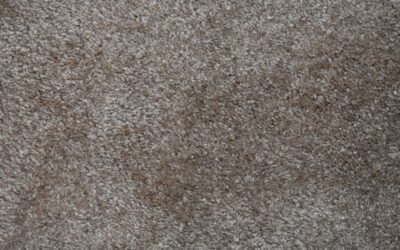
Carpet padding is the hidden layer that determines how your carpet feels, performs, and lasts. Most homeowners focus entirely on choosing the right carpet and treat the pad as an afterthought. That is a mistake. A quality pad under a mid-range carpet will outperform a cheap pad under a premium carpet every time. The pad provides cushion, insulates against noise and temperature, and protects the carpet backing from premature wear caused by direct contact with the hard subfloor.
This guide covers every major carpet padding type, explains how density and thickness affect performance, and helps you match the right pad to your carpet and your lifestyle.
Rebond Foam Padding
Rebond is the most common type of carpet padding, used in the vast majority of residential installations. It is made from recycled foam scraps that are bonded together under heat and pressure, then sliced into sheets of the desired thickness. The multi-colored speckled appearance of rebond is distinctive and easily recognizable.
How It Performs
Rebond provides good cushion, decent durability, and reasonable noise absorption at the lowest cost of any padding type. The performance varies enormously based on density. Low-density rebond (5 to 6 pounds per cubic foot) feels initially soft but compresses quickly and develops flat spots in high-traffic areas. High-density rebond (8 pounds per cubic foot and above) maintains its support and resilience much longer, providing consistent performance for the life of the carpet.
Best Uses
Rebond is appropriate for bedrooms, living rooms, hallways, and most general residential applications. Choose a density of at least 6 pounds per cubic foot for moderate-traffic areas and 8 pounds or higher for heavy-traffic zones like family rooms, hallways, and stairs. A thickness of 7/16 inch is the standard for most residential applications with cut pile carpet.
Cost
Rebond padding costs $0.25 to $0.75 per square foot depending on density and thickness. Budget rebond at the low end of the density range is often included free with carpet purchases from big-box retailers, but upgrading to a denser pad is almost always worth the additional $0.20 to $0.40 per square foot.
Memory Foam Padding
Memory foam carpet padding uses the same viscoelastic foam technology found in premium mattresses. It conforms to pressure, slowly returning to its original shape after compression, which creates an exceptionally plush, luxurious feeling underfoot.
How It Performs
Memory foam padding provides the most cushioned, comfortable feel of any padding type. Walking across a carpet with memory foam padding feels noticeably softer and more forgiving than any other option. The foam also provides excellent sound absorption, reducing both impact noise and airborne sound transmission between floors.
The trade-off is that memory foam is temperature-sensitive. It becomes firmer in cold conditions and softer in warm conditions. In rooms that experience significant temperature swings, the feel of the carpet changes with the season. Memory foam also does not provide the firm support that some carpet types require, which can affect carpet performance and warranty compliance.
Best Uses
Memory foam padding excels in bedrooms, master suites, and rooms where maximum comfort is the priority. It is not recommended for high-traffic areas because the slow recovery of memory foam means it stays compressed longer in heavily used zones, and over time it may develop permanent impressions. It is also not recommended under Berber or looped carpet, which requires firmer support.
Cost
Memory foam padding costs $0.75 to $1.50 per square foot, making it one of the more expensive padding options. For bedrooms where comfort matters most, the premium is justified. For a 200-square-foot master bedroom, the upgrade from standard rebond to memory foam adds $100 to $200 to the project cost.
Rubber Padding
Rubber carpet padding comes in two main forms: waffle rubber and flat rubber. Both are made from natural or synthetic rubber and offer performance characteristics that foam-based pads cannot match.
Waffle Rubber
Waffle rubber padding has a textured surface with raised bumps or a waffle-like pattern. The voids between the raised portions compress under pressure, providing cushion while the solid portions provide support. Waffle rubber is commonly found in commercial buildings and older residential installations.
The quality of waffle rubber varies dramatically. Cheap waffle rubber can break down quickly, crumbling into brittle fragments that provide no cushion. Quality waffle rubber is dense, resilient, and lasts as long as the carpet above it. The key is density: at least 60 ounces per cubic yard for acceptable residential performance, and 90 ounces or more for high-traffic areas.
Flat Rubber
Flat rubber padding is a solid, dense sheet of rubber without the waffle texture. It is the premium choice for high-traffic residential and commercial applications. Flat rubber provides the firmest support of any padding type, which makes it ideal under Berber carpet, looped carpet, and commercial-grade textured carpet that requires a stable base.
Flat rubber is extremely durable and maintains its performance characteristics far longer than foam-based pads. It does not compress, crumble, or develop flat spots even under heavy furniture and intense foot traffic. It also provides the best moisture resistance of any padding type, as rubber does not absorb water.
Best Uses
Waffle rubber works for moderate-traffic residential areas when a quality product is selected. Flat rubber is the best choice for high-traffic hallways, stairs, commercial spaces, and under any looped or Berber carpet. Flat rubber is also recommended for basements due to its moisture resistance, though a separate moisture barrier should still be used over concrete.
Cost
Waffle rubber costs $0.40 to $0.80 per square foot. Flat rubber costs $0.75 to $1.50 per square foot. The higher cost of flat rubber is offset by its longer lifespan, which can extend the life of the carpet above it by several years compared to cheaper padding options.
Frothed Foam Padding
Frothed foam is a dense, thin padding produced by injecting air into liquid polymer and allowing it to cure into a uniform sheet. The result is a firm, consistent pad that is thinner and denser than rebond.
How It Performs
Frothed foam provides firm, stable support without the plushness of rebond or memory foam. It does not compress or develop flat spots over time, making it exceptionally durable in high-traffic areas. The consistent density throughout the pad means it performs the same on day one as it does after years of use.
The feel underfoot is firmer than most homeowners expect from carpet padding. It does not provide the soft, cushiony sensation of thick rebond or memory foam. Instead, it provides a solid, stable surface that keeps the carpet face fibers upright and well-supported, which can actually make the carpet feel more resilient and luxurious over time even though the initial step onto it feels firmer.
Best Uses
Frothed foam is commonly used in commercial installations and in residential applications where durability trumps initial softness. It is an excellent choice for hallways, stairs, family rooms, and under premium patterned carpet that benefits from firm, stable support. Many premium carpet manufacturers recommend frothed foam padding to maintain their warranty requirements.
Cost
Frothed foam costs $0.50 to $1.00 per square foot. It falls in the mid-range of padding prices but offers commercial-grade durability that can make it the best long-term value for high-use areas.
Fiber Padding
Fiber padding is made from natural or synthetic fibers compressed into a felt-like sheet. Natural fiber pads use materials like jute, hair, or cotton. Synthetic fiber pads typically use recycled polyester or nylon fibers.
How It Performs
Fiber padding is the firmest carpet pad available. It provides minimal cushion but excellent stability and support. The dense fiber construction resists compression better than any foam product and maintains its height and density indefinitely. It also provides good sound absorption due to the fibrous structure that traps air and dampens sound waves.
Natural fiber pads, particularly those containing animal hair or jute, can be susceptible to moisture damage, mold, and odors. Synthetic fiber pads avoid these issues and provide similar performance characteristics. Both types can feel quite stiff underfoot, which is a deliberate design choice for certain carpet applications.
Best Uses
Fiber padding is used under Berber carpet, looped carpet, commercial carpet, and carpet tiles where maximum stability and firmness are required. It is also specified for radiant floor heating systems because its thin profile and dense structure allow heat to transfer through to the carpet surface more efficiently than thick foam pads.
Cost
Fiber padding costs $0.50 to $1.25 per square foot depending on the fiber type and density. Natural fiber pads using hair or jute are on the higher end, while synthetic fiber pads are more affordable.
Density vs Thickness: What Matters More
This is the most misunderstood aspect of carpet padding selection. Many homeowners assume that thicker padding equals better performance. In reality, density is far more important than thickness.
Why Density Matters
Density measures how much material is packed into a given volume. A dense pad supports the carpet evenly, prevents the carpet backing from flexing excessively, and resists compression that leads to flat spots and wear patterns. High-density padding maintains its performance over time, while low-density padding quickly compresses and stays compressed, providing decreasing comfort and support as it ages.
Why Thickness Can Be Misleading
A thick pad with low density feels wonderfully soft when you first step on it, but that initial softness is deceptive. The low-density foam compresses easily and will develop flat, hard spots in high-traffic areas within months. Meanwhile, a thinner pad with higher density may feel firmer initially but maintains consistent performance for the life of the carpet.
Recommended Specifications
For residential cut pile carpet in moderate-traffic areas, choose padding that is 7/16 inch thick with a density of at least 6 pounds per cubic foot. For high-traffic areas, increase density to 8 pounds or higher while keeping thickness at 7/16 inch. For Berber and loop carpet, use a firm, thin pad no thicker than 3/8 inch with a density of 8 pounds per cubic foot or higher. Excessive thickness under looped carpet causes the carpet to flex at the seams and accelerates wear.
How Padding Affects Carpet Warranty
Most carpet manufacturers specify padding requirements as a condition of their warranty. Installing the wrong padding type, thickness, or density can void the carpet warranty entirely, leaving you with no recourse if the carpet fails prematurely.
Common warranty requirements include maximum thickness (often 7/16 inch for cut pile, 3/8 inch for loop), minimum density (typically 6 pounds per cubic foot), and sometimes specific padding types for certain carpet constructions. Always check the carpet manufacturer’s padding specifications before purchasing padding, and keep the documentation for your records.
Final Thoughts
Carpet padding is an investment in comfort and carpet longevity that pays dividends every day. Rebond foam at 8 pounds per cubic foot density offers the best value for most residential applications. Memory foam delivers maximum comfort for bedrooms. Flat rubber provides unmatched durability for high-traffic areas and stairs. Whichever type you choose, prioritize density over thickness, match the pad to your carpet type, and verify that your selection meets the carpet manufacturer’s warranty requirements.
For a comprehensive look at carpet types, styles, and installation options, visit our carpet flooring guide.