Most homeowners overpay for carpet cleaning because they book the first name that shows up in a search rather than comparing methods and pricing. A good carpet shampoo company can pull years of embedded grit, pet dander, and traffic-lane soil out of your fibers, while a bad one leaves behind sticky residue that attracts dirt faster than before. Knowing what separates a professional operation from a fly-by-night truck is the difference between carpet that lasts 15 years and carpet that mats out in five. This guide walks through what to look for, what fair pricing looks like, and when doing it yourself makes more sense.
What a Carpet Shampoo Company Actually Does
The term “shampoo” is a bit of a holdover. Old-school rotary shampooing scrubbed a foaming detergent into the pile with a brush, then let it dry so the crystallized residue could be vacuumed out. Most reputable companies today use hot water extraction, often called steam cleaning, which injects a heated cleaning solution under pressure and immediately vacuums it back out along with the loosened soil.
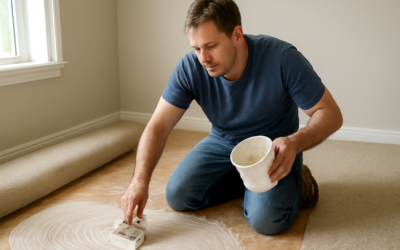
When you hire a professional, expect a multi-step process rather than a single pass. A thorough crew will vacuum first, pretreat high-traffic lanes and stains with an enzyme or solvent spotter, agitate the pile with a groomer, run the extraction wand in overlapping strokes, and finish with a neutralizing rinse. Skipping the pretreatment step is the most common corner cut, and it is exactly why some jobs look great for a week and then wick dirty again. A professional also manages moisture carefully, using powerful extraction so the carpet is only damp rather than soaked when the crew leaves.
Cleaning Methods Compared
Not every company offers every method, so ask which process they use before you book. Each has trade-offs in cost, dry time, and how deep it cleans.
- Hot water extraction: The gold standard for deep cleaning and the method most carpet manufacturers require to keep warranties valid. Dry time runs 6 to 12 hours.
- Low-moisture encapsulation: A polymer solution crystallizes around soil and is vacuumed out the next day. Fast drying (1 to 2 hours), good for commercial maintenance, but less deep than extraction.
- Bonnet cleaning: A spinning absorbent pad on a rotary machine. Cheap and quick, but it mostly cleans the surface and can distort pile if done carelessly.
- Dry compound: An absorbent powder worked into the fibers and vacuumed out. Nearly zero dry time, but limited on heavy soil.
For a residential deep clean once or twice a year, hot water extraction is almost always the right call. Reserve low-moisture methods for offices or quick refreshes between deep cleanings. If a company only offers bonnet or dry-compound cleaning, treat it as a maintenance service rather than a true restorative clean, and price it accordingly.
What Professional Carpet Cleaning Costs
National pricing generally falls between $0.20 and $0.40 per square foot, or roughly $25 to $75 per room for a standard 200 to 300 square foot space. A typical three-bedroom house with hallways and a living room lands in the $150 to $350 range. Whole-home jobs with stairs and area rugs can reach $400 to $600.
Watch for how a company quotes. Reputable outfits price by square footage or by clearly defined rooms and confirm the number in writing. Be cautious of any advertised “three rooms for $59” offer. That bait price almost always excludes pretreatment, stain removal, deodorizer, and anything the tech decides counts as “heavy soil,” so the final bill can triple once the crew is standing in your living room.
- Stairs: $2 to $4 per step
- Pet odor treatment: $30 to $75 per room
- Scotchgard or fiber protector: $0.05 to $0.10 per square foot
- Area rugs: $2 to $6 per square foot depending on fiber
- Deodorizer and sanitizer: $10 to $25 per room
Red Flags That Signal a Bad Operator
A few warning signs reliably separate professionals from the ones you want to avoid. Trust these more than a slick website.
- They refuse to give a per-square-foot or written estimate before arriving.
- The quoted price is dramatically lower than every other bid. Nobody cleans carpet well at a loss.
- No proof of insurance or bonding when you ask.
- They pressure you to add services on the spot with “today only” pricing.
- No IICRC certification and no clear answer about their cleaning method.
The Institute of Inspection, Cleaning and Restoration Certification (IICRC) is the industry’s main credential. It is not legally required, but a technician who holds it has been trained on fiber types, pH balance, and moisture control, which directly affects whether your carpet survives the process. Also read reviews with an eye for patterns rather than star ratings alone. Repeated complaints about surprise charges, over-wetting, or no-show appointments tell you far more than a single angry review.
Questions to Ask Before You Book
A five-minute phone call tells you almost everything. Ask what cleaning method they use and why, whether pretreatment and a neutralizing rinse are included in the base price, and how long the carpet will take to dry. Ask if they move furniture or if you need to clear the rooms yourself, and confirm whether they are truck-mounted or use portable machines. Truck-mounted units heat water hotter and pull stronger vacuum, which usually means a deeper clean and faster drying.
Finally, ask about their guarantee. A confident company will re-clean spots that wick back within a week at no charge. Get that promise in writing along with the total price, so there are no surprises when the invoice appears. It is also fair to ask what cleaning solutions they use if anyone in your home has allergies or you prefer low-VOC, fragrance-free products.
DIY vs Hiring a Pro
Renting a machine from a grocery or hardware store runs $30 to $50 a day, plus $20 to $30 for solution. For a light refresh on newer carpet, that can be enough. The catch is that rental units heat water less, vacuum weaker, and are easy to over-wet, which leaves carpet damp for a day or more and risks mold in the backing and pad.
Professional truck-mounted equipment reaches water temperatures of 200 degrees Fahrenheit or more and generates far stronger extraction, so it removes more soil and moisture in a single pass. For annual deep cleaning, warranty compliance, pet accidents, or set-in stains, hiring a qualified carpet shampoo company is worth the premium. Save the DIY rental for quick touch-ups between professional visits, and never over-saturate; a damp carpet that dries slowly does more harm than the dirt you were trying to remove.
How Often to Schedule Cleaning
Most manufacturers recommend professional cleaning every 12 to 18 months to keep warranties valid, and many warranties specifically require hot water extraction with dated receipts as proof. Homes with kids, pets, or heavy foot traffic should aim for every 6 to 12 months. Between deep cleans, vacuum high-traffic areas twice a week and blot spills immediately rather than rubbing them, which pushes soil deeper into the pile and frays the fibers.
Place walk-off mats at every exterior door and adopt a shoes-off habit to cut the amount of grit tracked in, since abrasive soil is what actually wears carpet down over time. Regular maintenance stretches the interval between paid cleanings and adds years to the life of the carpet you already paid to install, which makes the occasional professional visit one of the cheapest ways to protect a major investment in your home.