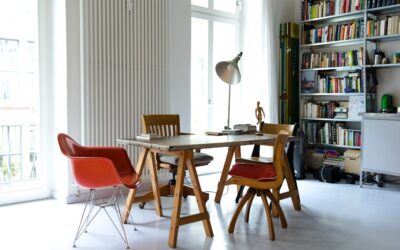
Buying carpet by the square instead of the roll has quietly become one of the smartest flooring moves a homeowner can make. Shopping a carpet tiles warehouse gives you access to bulk modular carpet at warehouse pricing, with the freedom to mix colors, replace single damaged tiles, and install it yourself. The format suits basements, offices, playrooms, and rentals where flexibility and value matter most.
Part of our Tile & Grout guide — explore the full guide →
What Are Carpet Tiles
Carpet tiles, also called modular carpet or carpet squares, are individual pieces of carpet, commonly 18 by 18 inches or 24 by 24 inches, with a rigid backing. Instead of one large rolled sheet, you lay a grid of squares that lock together, peel-and-stick, or sit with adhesive dots. The backing keeps each tile flat and stable.
The modular design is the whole point. A damaged or stained tile lifts out and a fresh one drops in, no reinstalling an entire room. That repairability is impossible with traditional broadloom carpet.
Why Buy From a Warehouse Retailer
Warehouse-style retailers stock carpet tiles in bulk, which drives pricing down and selection up. The benefits of buying this way are concrete.
- Bulk pricing well below boutique showroom rates.
- Deep in-stock inventory so you can buy enough for a whole project at once.
- Wide style and color range for mixing and matching.
- Commercial-grade options built for heavy traffic at residential prices.
Confirm the lot or dye-batch consistency when buying bulk, and always grab a few extra boxes for future replacements, since styles get discontinued.
Types of Carpet Tiles
Warehouses carry several constructions, each with a use case.
- Loop pile: durable and crush-resistant, the workhorse for offices and basements.
- Cut pile: softer and plusher for living spaces and bedrooms.
- Peel-and-stick: adhesive-backed for the easiest DIY install.
- Interlocking or padded: cushioned tiles for playrooms and comfort.
- Solution-dyed olefin or nylon: fade and stain resistant, ideal for high-use areas.
Costs to Expect
Carpet tiles are usually priced per tile or per box, so convert to price per square foot to compare fairly. Realistic USD ranges include:
- Budget commercial tiles: $0.75 to $2 per square foot.
- Mid-grade residential tiles: $2 to $4 per square foot.
- Premium and designer tiles: $4 to $7 plus per square foot.
- Adhesive and supplies: a small added cost for tabs, dots, or glue.
Because installation is DIY-friendly, you often save the $0.50 to $1.50 per square foot a pro would charge to install broadloom.
Pros of Carpet Tiles
The modular format carries genuine advantages.
- Easy DIY installation with no stretching or seaming equipment.
- Spot replacement of stained or worn tiles.
- Design flexibility to create patterns, borders, and color blocks.
- Portability, since some peel-and-stick or loose-lay tiles can move with you.
- Affordable at warehouse pricing, especially in bulk.
Cons and Limitations
Modular carpet is not flawless.
- Visible seams between tiles, more noticeable in solid colors than patterns.
- Thinner cushioning than padded broadloom unless you choose cushion-backed tiles.
- Adhesive prep needed for a clean, dry, flat subfloor.
- Edge lifting over time if tiles are poorly adhered.
Installation Made Simple
One reason carpet tiles thrive at warehouses is how easy they are to install. The basic process is straightforward.
- Clean and dry the subfloor so it is flat and free of debris.
- Find the room’s center and snap chalk lines to plan a balanced grid.
- Start from the center and work outward, following the directional arrows on the tile backing for a consistent or quarter-turn pattern.
- Secure tiles with the recommended adhesive tabs, dots, or pressure-sensitive glue.
- Cut perimeter tiles with a sharp utility knife and a straightedge.
Pay attention to the arrows on the back. Laying all tiles the same direction gives a broadloom look, while quarter-turning each tile hides seams and traffic patterns.
Best Uses for Carpet Tiles
Modular carpet shines in specific settings. Basements benefit from moisture-resistant olefin tiles that can be lifted to dry after a leak. Home offices and playrooms gain comfort and easy spot-cleaning. Rentals and temporary spaces favor loose-lay tiles you can take with you. For high-traffic family areas, choose commercial-grade loop tiles that resist crushing and stains.
How Much to Buy and Planning for Waste
Calculating quantity for carpet tiles is straightforward but still needs a waste allowance. Measure your room’s square footage, then divide by the coverage of each tile. An 18-by-18-inch tile covers 2.25 square feet, while a 24-by-24-inch tile covers 4 square feet. Add roughly 10 percent extra for perimeter cuts, mistakes, and future replacements.
Because tiles are modular, leftover pieces are not wasted the way offcuts of broadloom are. Keep your extras boxed and labeled with the style and color, since manufacturers regularly discontinue patterns. Having a few matching tiles on hand means you can swap a stained or damaged square years later without the whole floor looking patched, which is one of the format’s biggest practical advantages.
Cleaning and Maintaining Carpet Tiles
Carpet tiles clean much like broadloom, with one big advantage: you can lift individual tiles for deep cleaning or replacement. Vacuum regularly to keep grit from grinding into the fibers, and blot spills promptly rather than rubbing. For stubborn stains, you can remove a loose-lay tile, clean it separately, let it dry fully, and reinstall it, or simply swap in a spare.
In basements and other moisture-prone areas, the ability to lift tiles to dry the subfloor after a leak is invaluable. Choose solution-dyed olefin or nylon tiles in these spaces for the best stain and moisture resistance. With routine vacuuming and occasional spot or full-tile cleaning, a carpet-tile floor stays fresh and is far easier to maintain than wall-to-wall carpet.
The Bottom Line
A carpet tiles warehouse puts durable, flexible modular carpet within easy reach at bulk pricing. The format installs without special tools, repairs one square at a time, and lets you design custom layouts. Buy a few extra tiles for the future, prep your subfloor flat and dry, follow the directional arrows, and you will have an affordable, practical floor that adapts to whatever your space throws at it.