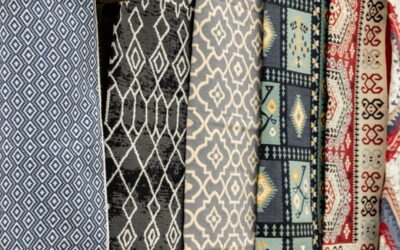
Spanish-speaking homeowners and Latin American flooring distributors call it by a name that confuses a lot of US buyers. Carpeta plastica translates literally to “plastic carpet” and refers to the family of PVC-based flexible floor coverings that bridge the gap between sheet vinyl and traditional carpet. You’ll find it in garages, commercial kitchens, Latin American rental units, and increasingly in US basements where budget and waterproofing matter more than underfoot plushness.
What Carpeta Plastica Really Is
It’s not carpet in the fiber sense. It’s a rolled, flexible vinyl or polyethylene sheet product, usually 2 to 4 mm thick, sold in widths from 6.5 to 13 feet. Some versions have a felt or foam backing that mimics carpet cushion. Others are a single homogeneous vinyl sheet similar to commercial rolled flooring. The surface can be embossed with a wood, tile, or textile pattern.
Where It Makes Sense
- Garage floors that need protection from oil drips and cold
- Basement playrooms where spills are inevitable
- Temporary rental unit upgrades between tenants
- Laundry rooms, pantries, and utility spaces
- RV and tiny-home installations where weight matters
Typical Pricing
In US markets, expect $0.80 to $2.40 per sq ft for the material, with pro installation adding $1 to $2 per sq ft. A 400 sq ft basement floor lands around $800 to $1,200 installed. That’s roughly a third of what SPC vinyl plank would cost, though the lifespan is shorter.
Pros and Cons
On the plus side, it’s waterproof, easy to sweep or mop, warmer than concrete, and forgiving on dropped dishes. It rolls out in an afternoon and can be loose-laid with double-sided tape around the perimeter. On the downside, heavy furniture leaves permanent impressions, UV exposure yellows lighter colors within 3 to 5 years, and seams can lift if humidity swings are severe.
How to Install It
Sweep the subfloor, fill any cracks over 1/4 inch with patching compound, and let the roll acclimate in the room for 24 hours at 65°F or warmer. Unroll, cut oversized, then trim to the walls with a sharp utility knife and a straightedge. For rooms over 150 sq ft, use seam-sealing adhesive to bond edges where two pieces meet. Trim around doorframes last with a scribe.
Maintenance
Sweep or vacuum without the beater bar weekly. Damp mop with pH-neutral cleaner, never ammonia or bleach, which will cloud the wear layer. For garage installations, degrease oil spots within 24 hours using a citrus-based cleaner. Replace the whole sheet when gouges or UV fade become unacceptable, typically 7 to 12 years in residential use.
Carpeta Plastica vs Sheet Vinyl vs LVP
Sheet vinyl is a sibling product, often thicker and with a fiberglass backing that lays flatter. LVP is the rigid-core cousin that clicks together and looks more like real wood. Carpeta plastica wins on upfront cost and flexibility, loses on appearance and longevity. For a forever-home family room, step up to LVP. For a garage or a budget rental, this category gets the job done.
Thickness and Wear Layer Grades
Not all carpeta plastica is built the same. Entry-level rolls run 2 mm total thickness with a 0.1 to 0.15 mm wear layer; that’s adequate for a pantry or utility room but will gouge under a refrigerator or rolling chair within a year. Mid-grade rolls at 3 mm with a 0.3 mm wear layer hold up in basement playrooms for 7 to 10 years. Commercial-grade 4 to 5 mm rolls with 0.5 mm wear layers are what you want for garages, workshops, and any space that sees wheeled traffic. The material cost difference between entry and commercial grade is about 60 cents per sq ft, and it’s almost always worth paying.
Glue-Down vs Loose-Lay Installation
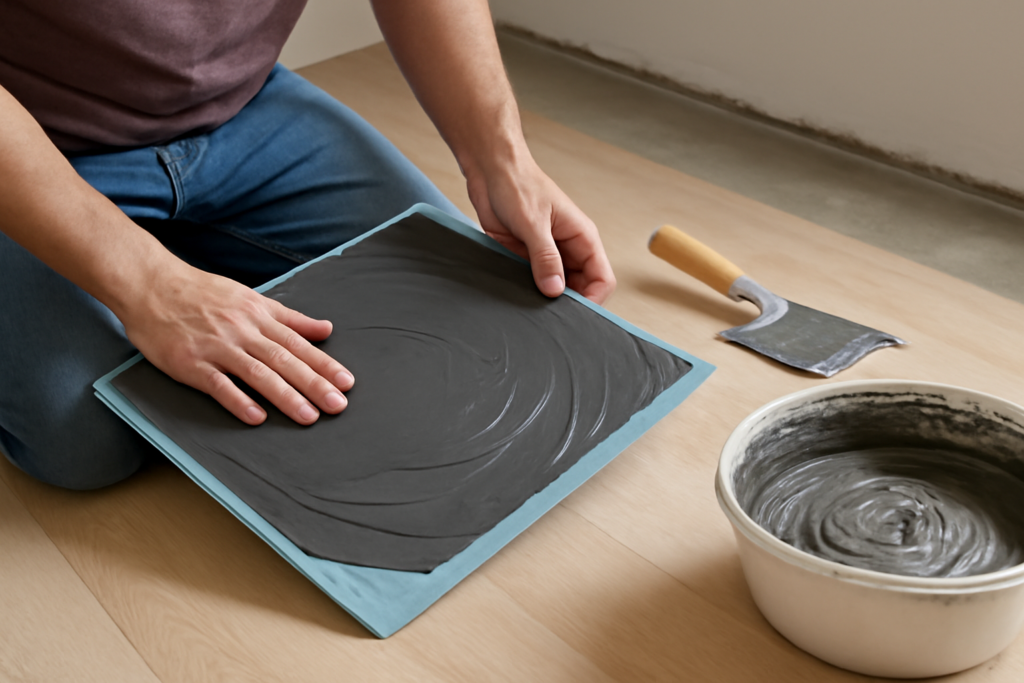
Loose-lay with double-sided tape around the perimeter is the fast path and works in rooms under 200 sq ft with stable temperatures. Larger rooms or spaces with direct sun need full-spread adhesive (Henry 356 or Roberts 3095) to prevent shrinkage and curling at seams. Full glue-down also handles rolling loads better; a loose-laid sheet will wrinkle under a workshop tool chest within weeks. Budget an extra $0.50 per sq ft in adhesive and another hour per 100 sq ft for proper trowel-on install.
Over What Subfloors Does It Work
Concrete slabs above grade are ideal after moisture-testing under 3 lbs per 1,000 sq ft per 24 hours. Plywood subfloors need to be at least 3/4 inch thick and screwed at 6-inch centers to prevent telegraphing. Skip installation over cushioned vinyl, old carpet, or unsealed concrete with active moisture; the sheet will bubble within the first humid month. A 6-mil poly vapor barrier is cheap insurance over any slab that hasn’t been proven dry.
Where to Buy
Latin American grocery chains in the Southwest often carry 6.5-foot rolls. Online, search Amazon and Wayfair under “vinyl floor roll” or “commercial vinyl sheet.” Restaurant supply stores stock commercial-grade versions at slightly higher prices but with better wear layers. Always buy 10 percent extra for cuts and future patches.