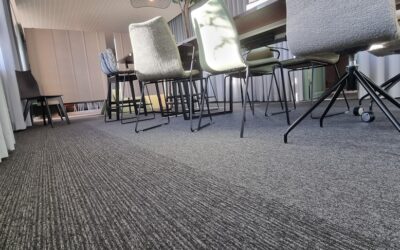
The first time a client called and asked me to install a carpeted shower, I assumed it was a prank. It was not. Carpeted showers were a real bathroom trend in 1970s and 1980s American homes, and a small wave of nostalgia-driven remodels has brought the idea back into Pinterest searches. The appeal is obvious — soft, warm underfoot, no cold tile shock at 6 a.m. The reality is more complicated. This guide explains where the trend came from, what actually happens to carpet inside a wet enclosure, and what alternatives deliver the comfort without the mold lawsuit.
Part of our Bathroom Remodeling & Flooring guide — explore the full guide →
The Origin Story
The first carpeted showers showed up in the 1960s when wall-to-wall shag and indoor-outdoor synthetic carpets were dominating American floors. Bathrooms were no exception. Some homeowners ran the same carpet across the bathroom floor and right up into a curbless shower pan. Others installed dedicated marine-grade or outdoor olefin carpet inside the enclosure. Builders even sold custom-cut shower carpet kits through mail-order catalogs.
The trend faded by the early 1990s as awareness of mold, mildew, and indoor air quality grew. Today you will see carpeted showers almost exclusively in unrenovated mid-century homes, vintage RVs, and the occasional retro design experiment.
What Actually Happens to Carpet in a Shower
Soaked twice a day at body temperature, carpet creates ideal conditions for biological growth. Within the first three to six months, you can expect:
- Mildew colonies in the backing within 30 days
- Soap scum and skin cell buildup that no vacuum or steam cleaner fully removes
- Pad degradation if any padding sits beneath the carpet
- Subfloor rot if water reaches the plywood, often invisible until it fails
- Musty smell that lingers in the entire bathroom
Even commercial marine carpet rated for outdoor use is designed to dry between exposures. A shower used daily never gets that recovery window. The synthetic fibers themselves resist water, but everything around them — adhesive, seams, edges, subfloor — does not.
Health Concerns Worth Taking Seriously
Stachybotrys, aspergillus, and penicillium molds all thrive in damp carpet. For most healthy adults this is an annoyance. For anyone with asthma, allergies, immunocompromised conditions, or young children, it is a real respiratory risk. The CDC has documented links between persistently damp indoor surfaces and chronic respiratory issues.
Cleaning does not solve this. Bleach kills surface mold but does not penetrate carpet backing. Steam cleaners add more moisture. Antimicrobial sprays slow growth but cannot eliminate it in a chronically wet environment.
Insurance and Resale Reality
Two practical issues are worth knowing before installing one. First, most homeowner insurance policies exclude or limit coverage on water damage tied to known design defects, and an inspector who flags a carpeted shower will note it. Second, real estate agents in every market I have worked in consider a carpeted shower a value destroyer. Expect to deduct $3,000-$8,000 from the bathroom value at resale and to negotiate against buyers who want it gone.
If You Are Determined to Try It Anyway
I have installed three carpeted showers under explicit client direction over 22 years. None lasted more than four years before being torn out. If you are doing it anyway, use these guardrails to buy the most time possible:
- Start with a fully waterproofed shower pan — Schluter Kerdi or a hot-mopped membrane, never just thinset
- Choose 100% solution-dyed olefin or polypropylene marine carpet (Berber Beach, Aqua Turf, or similar)
- Avoid all foam padding — none survives
- Use marine adhesive rated for continuous wet exposure
- Run an exhaust fan rated 110+ CFM for at least 30 minutes after every shower
- Replace the carpet every 18-24 months at most
Even with all of this, expect the surrounding bathroom to smell persistently humid.
Better Alternatives That Deliver the Same Feel
The real reason people want a carpeted shower is the soft, warm underfoot sensation. Four alternatives nail that without the mold problem.
Teak Shower Mats
Solid teak slat mats run $80-$200, dry quickly between uses, and provide warm, textured footing. Lift the mat after each shower to let the floor below dry. Teak naturally resists rot and lasts five to ten years.
Heated Tile Floors
An electric radiant mat under tile delivers the same warmth without the moisture problem. Schluter Ditra-Heat or Warmly Yours systems run $9-$15 per square foot in materials plus a $200-$350 thermostat. Set it to 85°F and your shower floor feels warm year-round.
Cork Flooring
Sealed cork tiles have natural antimicrobial properties, feel soft underfoot, and are warm. They are not as bulletproof as porcelain but with proper sealing they hold up in a low-volume shower for 8-12 years.
Pebble Stone with Heat
Natural pebble mosaic provides a textured, foot-massaging surface that feels nothing like cold tile. Pair with radiant heat below and you get warmth, traction, and a luxury aesthetic.
The Verdict
The carpeted shower is one of those design choices that looks like it should work and actively does not. Synthetic fibers resist water; the system around them does not. If you grew up in a 1970s home with a carpeted shower and feel pulled to recreate that experience, satisfy the urge with a heated tile floor or a teak mat. Your bathroom — and the people who breathe its air — will be measurably healthier for it. Save the soft underfoot feeling for the bedroom carpet where it actually belongs.