If you have been shopping for a marble-inspired floor that will not stain or need sealing, you have probably run across Celine tile in a showroom or online catalog. The name shows up on a family of porcelain and ceramic tiles designed to imitate elegant white and gray veined marble, delivering the upscale look of natural stone with the toughness and low maintenance porcelain is known for. This guide covers the finishes and sizes you will typically find, realistic pricing, where the tile performs best, and how to plan an installation that actually looks like the inspiration photos.
What Celine Tile Looks Like
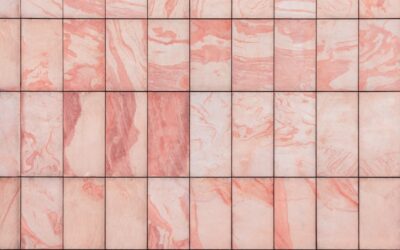
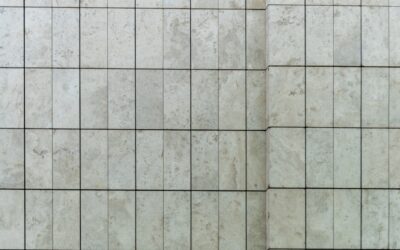
The appeal of Celine tile is its clean, luminous marble aesthetic. Most versions feature a bright white or soft ivory background threaded with gray veining that ranges from subtle and hairline-thin to bold and sweeping, depending on the specific series. Because the pattern is applied with high-definition inkjet printing before firing, individual tiles carry enough variation to read like real stone rather than a repeating photocopy.
You will generally encounter two surface finishes. A polished finish gives a reflective, glassy sheen that maximizes the luxury feel and brightens a room, ideal for walls, backsplashes, and low-traffic floors. A matte or honed finish trades shine for a softer, more contemporary look and offers better slip resistance, which makes it the smarter pick for kitchen floors, entryways, and bathrooms where wet feet are a daily reality.
Common Sizes and Formats
Porcelain marble-look lines like this typically ship in several rectified formats, meaning the edges are mechanically ground square so you can install them with very thin grout lines for a near-seamless stone effect. Expect to see options such as these on a spec sheet.
- 12×24 inch — the workhorse floor and large-wall format that keeps grout lines to a minimum.
- 24×24 inch — a big-square format popular for modern open floors.
- 24×48 inch — a large-scale slab-look tile for feature walls and showers where you want long, uninterrupted veining.
- Mosaic sheets — smaller hexagon or square mosaics that coordinate with the field tile for shower floors and accent bands.
Larger tiles read as more luxurious because they show more of the veining and break up the surface with fewer grout lines, but they also demand a very flat substrate. If your subfloor is uneven, a big-format tile will rock or lippage will show at the edges, so plan on self-leveling or extra thinset time for the biggest sizes.
What Celine Tile Costs
Marble-look porcelain sits in a friendly price bracket compared with the natural stone it imitates. As a planning figure, budget roughly $2 to $6 per square foot for the tile itself, with polished and large-format pieces landing at the higher end. Professional installation typically adds $7 to $14 per square foot depending on your region, layout complexity, and how much substrate prep the job needs.
For a 100-square-foot bathroom floor, a realistic all-in range is roughly $900 to $2,000 including materials, thinset, grout, and labor. Doing the install yourself can cut that dramatically, though large rectified tiles are less forgiving for first-timers than smaller ceramic. Always order about 10 to 15 percent extra to cover cuts, breakage, and future repairs, since dye lots change and a matching replacement tile can be impossible to source later.
Where It Works Best
Because porcelain is dense, hard, and effectively waterproof once installed, Celine tile is versatile across the whole home. On floors it handles foyers, kitchens, laundry rooms, and full bathrooms with ease. On walls it shines as a shower surround, a tub deck, or a full-height kitchen backsplash where the marble look elevates the space without the etching worries that plague real marble near citrus and vinegar.
The one place to think carefully is a polished tile on a wet floor. Glossy surfaces get slick when soapy water pools, so for shower pans and bath floors choose the matte or honed finish, or drop down to a mosaic where the extra grout lines add grip. In heavy-traffic entries, the matte finish also hides micro-scratches and foot traffic better than a high-gloss surface.
Installation Tips for a Marble Look
Getting the seamless stone effect that sells these tiles comes down to a few disciplines. Use a grout color matched closely to the tile background rather than a stark contrast, because a light gray or bright white grout lets the veining flow across the joints instead of chopping the surface into a grid. Keep grout lines tight, often as narrow as 1/16 inch with rectified edges.
Blend from multiple boxes as you go. Because each tile carries intentional variation, pulling from three or four cartons at once distributes the veining randomly and prevents an obvious clone-stamp repeat. Dry-lay a section first to preview the pattern and rotate tiles so no two identical faces sit side by side. Finally, back-butter the largest formats to guarantee full thinset coverage, which prevents hollow spots and edge cracks under heavy furniture or appliances.
Is Celine Tile Right for Your Project
Cleaning and Long-Term Care
One of the biggest advantages of choosing porcelain over natural marble is how little the surface asks of you. Because Celine tile is a fired porcelain, it is dense and effectively nonporous, so it never needs the periodic resealing that real marble demands and it will not etch when acidic foods, wine, or bathroom cleaners contact it. Day-to-day care is as simple as sweeping or vacuuming to keep grit off the surface, then damp-mopping with a pH-neutral tile cleaner. Skip oil-based soaps and waxes, which leave a dulling film on porcelain over time, and avoid abrasive powders that can scratch a polished finish. The one part of the installation that does need attention is the grout, which is porous and can stain or harbor mildew in wet areas. Sealing the grout after installation and refreshing that seal every year or two keeps the joints clean and the whole floor looking new far longer.
For homeowners who love the timeless elegance of white-and-gray marble but want a surface that survives real family life, Celine tile is a strong, budget-conscious answer. It resists stains, never needs sealing, tolerates moisture, and cleans up with ordinary tile cleaner and a damp mop. Pick the matte finish for floors and wet areas, save the polished finish for walls and backsplashes, buy a generous overage, and pay attention to substrate flatness on the big formats. Do that, and you get a floor or wall that carries the look of high-end stone at a fraction of the cost and none of the fuss.
Prefer to explore on your own?
See how new flooring looks in your actual room in seconds — free, no signup.
Try the free Floor Studio →