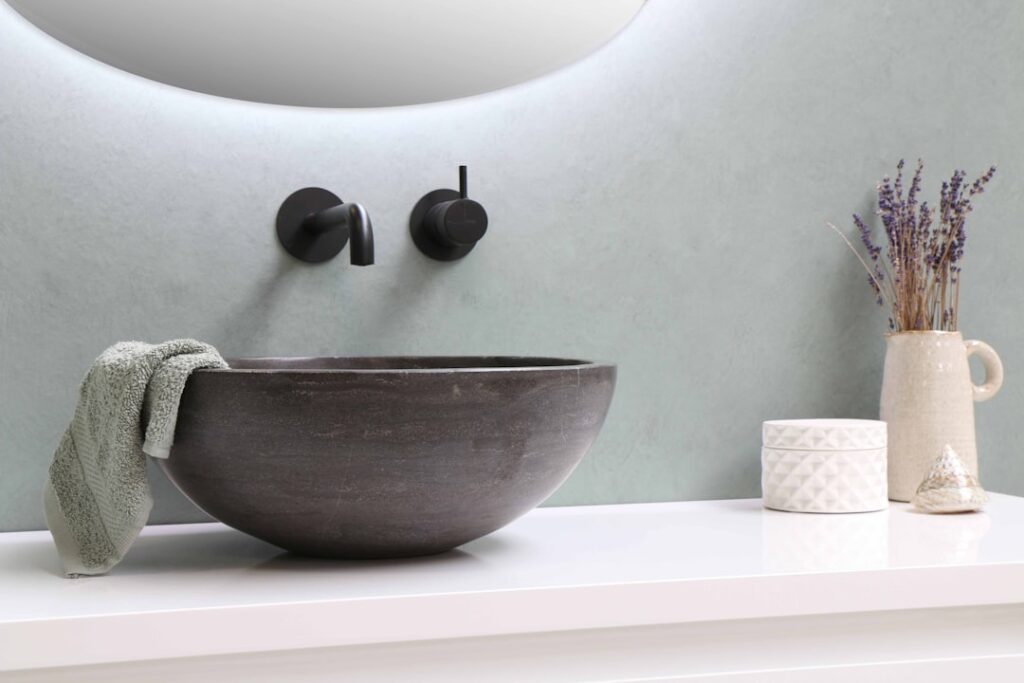
A ceramic bathroom sink remains the most popular choice in homes for good reason: it is durable, hygienic, easy to clean, and timeless enough to suit nearly any style. From sleek modern vessels to classic pedestal basins, ceramic offers a glazed, non-porous surface that resists stains and looks fresh for decades with simple care.
This guide covers the types of ceramic sinks, how they differ from porcelain and vitreous china, sizing and installation considerations, the cleaning routine that keeps them gleaming, and what to look for when buying. If you are updating a vanity or building a new bath, here is how to choose the right basin.
What “Ceramic” Means for Sinks
Ceramic sinks are made from clay that is shaped and fired at high temperatures, then coated with a glaze that creates a smooth, glossy, non-porous surface. You will see related terms like porcelain and vitreous china, which are essentially refined types of ceramic. Vitreous china, common in quality bathroom sinks, has a glassy enamel coating fused to the ceramic body for extra durability and stain resistance.
The non-porous glaze is the key advantage. It does not absorb water, odors, or bacteria, which makes ceramic one of the most hygienic and low-maintenance sink materials available.
Types of Ceramic Bathroom Sinks
Ceramic sinks come in several mounting styles, each suited to different vanities and looks. Choosing the type shapes both the appearance and the installation.
- Drop-in (self-rimming): Sits in a cutout with a visible rim resting on the counter; easy to install and replace.
- Undermount: Mounts below the counter for a seamless look and easy wipe-down, ideal with stone tops.
- Vessel: Sits on top of the counter like a bowl, a bold, modern statement that adds height.
- Pedestal: A freestanding basin on a column, classic and space-saving for small or powder bathrooms.
- Wall-mounted (console): Fixed to the wall with no cabinet, giving an open, contemporary feel.
Sizing and Fit
Getting the size right ensures the sink works with your vanity and faucet. Standard drop-in and undermount bowls range roughly from 16 to 24 inches wide, while vessel sinks are often 16 to 20 inches in diameter. Always check the basin’s footprint against your countertop or vanity cutout before buying.
Depth matters too. A deeper bowl, around 6 to 8 inches, contains splashing better, which is helpful for busy family bathrooms. For vessel sinks, remember the bowl adds height, so pair it with a shorter vanity or a wall-mounted faucet so the rim sits at a comfortable level, typically around 36 inches from the floor.
Installation Basics
Installation difficulty varies by type. Drop-in sinks are the most DIY-friendly, dropping into a cutout and sealing with silicone. Undermount sinks require strong adhesive and clips beneath a stone or solid-surface counter and benefit from professional fitting. Vessel and wall-mount styles need careful drain and faucet alignment.
- Confirm the sink, faucet, and drain are compatible and that holes line up.
- Dry-fit the sink to check placement before sealing.
- Connect the faucet and drain assembly, using plumber’s putty or the recommended sealant.
- Secure the sink, seal the perimeter with silicone, and check for leaks under the trap.
Because ceramic is heavy and can crack from over-tightened fittings, work carefully and avoid forcing connections. Hand-tighten plus a gentle turn is usually enough.
Cleaning and Maintenance
One of the biggest perks of ceramic is how easy it is to keep clean. The glazed surface wipes down quickly and resists most stains. A simple routine keeps it looking new.
- Wipe the basin with a soft cloth and mild soap or a gentle bathroom cleaner regularly.
- For mineral deposits and water spots, use a diluted vinegar solution, then rinse well.
- Avoid abrasive scouring pads and harsh, gritty cleansers that can dull or scratch the glaze.
- Address chips promptly with a ceramic repair kit to prevent staining of the exposed clay.
While ceramic resists stains, dropping heavy objects can chip or crack it, so handle bottles and tools over the basin with care.
Matching the Sink to Your Bathroom Style
The right sink style reinforces the overall feel of your bathroom. In a traditional or cottage bath, a pedestal sink or a drop-in with a gentle curved basin feels at home and saves space in a powder room. For a modern or minimalist bath, an undermount or a crisp rectangular vessel sink delivers clean lines and an uncluttered look.
Vessel sinks make a bold, contemporary statement and turn the basin into a design feature, but remember they raise the working height, so plan the vanity accordingly. Wall-mounted sinks create an airy, open feel and make floor cleaning easy, which suits small or accessibility-focused bathrooms. Coordinate the sink’s shape and color with your faucet finish and counter for a pulled-together result.
Ceramic vs. Other Sink Materials
It helps to see how ceramic stacks up against the alternatives. Stainless steel and copper sinks bring a distinctive look and are nearly impossible to crack, but they show water spots and, in copper’s case, develop a living patina that not everyone wants. Stone and concrete sinks are dramatic but porous, heavy, and need sealing.
Glass vessel sinks are striking and modern but show every smudge and require careful cleaning. Solid-surface and resin sinks allow integrated, seamless designs and resist chipping better than ceramic. Against all of these, ceramic remains the value leader: it offers the widest style range, excellent stain resistance, easy cleaning, and a familiar, timeless look at an accessible price, which is why it stays the default choice in most homes.
Pros, Cons, and Buying Tips
Ceramic sinks offer durability, easy cleaning, stain resistance, and a wide range of styles at accessible prices, often from $50 to $300 for the basin itself. The main drawbacks are weight, which affects installation, and the fact that a hard impact can crack the surface, unlike some metal or resin sinks.
When buying, prioritize a thick, even glaze, a smooth drain opening, and a reputable brand with replacement parts available. Match the bowl style to your bathroom size, choose a depth that suits your household, and confirm faucet hole configuration before ordering.
Final Thoughts
A ceramic bathroom sink delivers timeless looks, easy maintenance, and excellent durability for nearly any bathroom. Pick the mounting style and size that fit your vanity and lifestyle, install it carefully given its weight, and keep it clean with gentle products. Choose well and your ceramic basin will stay beautiful and hygienic for many years to come.
Prefer to explore on your own?
See how new flooring looks in your actual room in seconds — free, no signup.
Try the free Floor Studio →