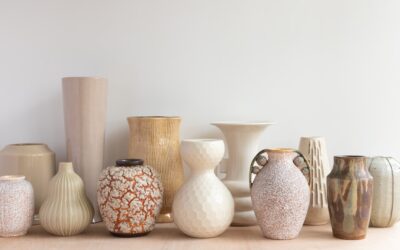
The dishes you eat off every day get more use than almost anything else in your kitchen, so choosing well pays off. Ceramic dinnerware sets remain the most popular choice for everyday tables thanks to their balance of durability, style, and affordability. From casual stoneware to refined porcelain, ceramic dishes come in nearly endless colors and finishes to suit any kitchen.
- What Are Ceramic Dinnerware Sets?
- Types of Ceramic Dinnerware
- What to Look For When Buying
- What Ceramic Dinnerware Costs
- Dishwasher, Microwave, and Oven Safety
- How to Care for Ceramic Dinnerware
- How Many Place Settings Do You Need?
- Ceramic vs. Other Dinnerware Materials
- Styles and Finishes to Consider
- Building or Replacing a Set Over Time
- The Bottom Line
If you are shopping for a new set or replacing chipped pieces, it helps to understand the types of ceramic, what to look for, and how to care for them so they last. Here is the full rundown.
What Are Ceramic Dinnerware Sets?
Ceramic dinnerware is made from clay that is shaped and fired at high heat, then usually glazed to create a smooth, nonporous, food-safe surface. The category covers several materials, including earthenware, stoneware, porcelain, and bone china. A typical set includes dinner plates, salad or dessert plates, and bowls, often sold in service for four, six, eight, or twelve, with some sets adding mugs.
Types of Ceramic Dinnerware
The type of clay and firing temperature affect durability, weight, and price.
- Earthenware: Fired at lower temperatures, giving it a rustic, casual look. It is more porous and chips more easily, so it is best for relaxed everyday use.
- Stoneware: Fired hotter and denser than earthenware, making it durable, chip-resistant, and a favorite for everyday sets. Usually dishwasher and microwave safe.
- Porcelain: Fired at very high temperatures into a hard, dense, often translucent material. Elegant, strong, and versatile for both daily and formal use.
- Bone china: A porcelain made with bone ash, prized for being lightweight yet strong with a refined look. Often reserved for special occasions.
What to Look For When Buying
A few practical factors separate a set that lasts from one that chips within months.
- Durability: Stoneware and porcelain resist chips better than earthenware. Look for terms like chip-resistant.
- Dishwasher and microwave safety: Check the label. Most plain glazed stoneware and porcelain are safe; metallic-trimmed or hand-painted pieces may not be.
- Weight and feel: Heavier stoneware feels sturdy; lighter porcelain and bone china feel refined. Choose what suits your household.
- Stackability and storage: Pieces that nest well save cabinet space.
- Open stock availability: Sets where you can buy individual replacement pieces are easier to maintain over time.
What Ceramic Dinnerware Costs
Price varies widely by material and brand. As a general guide:
- Basic stoneware or earthenware sets: roughly $40 to $120 for a service for four.
- Mid-range stoneware and porcelain sets: around $100 to $300.
- Premium porcelain and bone china: $300 and up, especially for larger or designer sets.
For everyday use, a durable stoneware or porcelain set in the mid-range usually offers the best mix of looks, toughness, and value.
Dishwasher, Microwave, and Oven Safety
Most glazed stoneware and porcelain handle the dishwasher and microwave well, but always confirm with the manufacturer’s label. Pieces with metallic accents, gold or silver trim, or hand-painted decoration should be hand washed and kept out of the microwave, since metal sparks and decoration can fade. Some stoneware is oven safe, but avoid sudden temperature swings, like moving a dish straight from the fridge to a hot oven, which can cause cracking.
How to Care for Ceramic Dinnerware
- Avoid thermal shock: let dishes come closer to room temperature before exposing them to high heat.
- Stack carefully: place a soft liner, like a paper towel or felt pad, between stacked plates to prevent scratches.
- Hand wash delicate pieces: trimmed, painted, or bone china items last longer with gentle hand washing.
- Remove stains gently: a paste of baking soda and water lifts coffee and tea stains without harsh scrubbing.
- Inspect for chips: retire chipped or cracked pieces from food use, since damaged glaze can harbor bacteria.
How Many Place Settings Do You Need?
Match the set size to your household and entertaining habits. A service for four suits singles and couples, while service for eight or twelve works better for families and frequent hosts. Buying a slightly larger set, or choosing one with open-stock replacements, gives you backups for the inevitable breakage over the years.
Ceramic vs. Other Dinnerware Materials
Ceramic competes with a few other common materials, and each has its place. Melamine and other plastics are nearly unbreakable and great for kids and outdoor dining, but they cannot go in the microwave and feel less refined. Glass dinnerware, including tempered glass, is durable and dishwasher safe, with a clean look, though it can feel cold and utilitarian. Stainless steel and enamelware suit camping and casual use but lack the elegance of ceramic. For everyday indoor dining that balances looks, feel, and practicality, glazed ceramic remains the most popular choice for good reason.
Styles and Finishes to Consider
Beyond the type of clay, the style of a set shapes your table’s personality. Classic solid-white sets are endlessly versatile and let food take center stage, which is why restaurants favor them. Reactive and speckled glazes give stoneware an artisan, handmade look that suits modern and farmhouse kitchens. Rimmed plates feel more formal, while coupe-style plates with no rim read contemporary. Matte finishes are trendy and hide minor wear, though they can show oils more readily, while glossy glazes wipe clean easily. Pick a style you will still love in a few years, since a good set is meant to last.
Building or Replacing a Set Over Time
You do not have to buy everything at once. Many lines are sold as open stock, meaning you can purchase individual plates, bowls, and mugs separately. This is invaluable for replacing the pieces that inevitably break and for scaling up as your household or entertaining needs grow. When buying a boxed set, check whether the pattern is part of an ongoing open-stock line, because trendy seasonal patterns are often discontinued, leaving you unable to replace a broken plate. A timeless, widely available design protects your investment for years.
The Bottom Line
Ceramic dinnerware sets remain the everyday standard for good reason: they pair durability and easy care with a huge range of styles and prices. For daily use, lean toward chip-resistant stoneware or porcelain, confirm dishwasher and microwave safety on the label, and care for the pieces by avoiding thermal shock and stacking gently. Choose well and a quality ceramic set will serve your table beautifully for many years.
Prefer to explore on your own?
See how new flooring looks in your actual room in seconds — free, no signup.
Try the free Floor Studio →