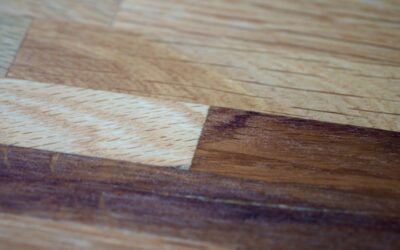
Cherry hardwood flooring is one of the most distinctive and visually striking options in the hardwood category. Known for its warm reddish-brown tones and smooth grain, American cherry has been a favorite of homeowners and designers for centuries. It brings a sense of elegance and warmth to any space, though it does come with some unique characteristics that every buyer should understand before committing.
This guide covers everything you need to know about cherry hardwood flooring, from its famous color changes to its Janka hardness rating, available finishes, pricing, and viable alternatives for those who love the look but need a different performance profile.
What Is Cherry Hardwood Flooring?
When people refer to cherry hardwood flooring, they are typically talking about American cherry, scientifically known as Prunus serotina, also called black cherry. This species is native to the eastern United States and has been a staple in American woodworking and furniture making for generations.
American cherry is a domestic hardwood, which generally means shorter supply chains and lower shipping costs compared to exotic species. The wood is prized for its fine, straight grain, smooth texture, and that signature warm color that deepens beautifully over time. Cherry is used for both solid hardwood flooring and as a veneer layer on engineered hardwood products.
The Famous Color Change
The single most important thing to understand about cherry hardwood flooring is that it changes color dramatically after installation. This is not a defect. It is a natural characteristic of the species, and most cherry enthusiasts consider it one of the wood’s most appealing features.
How the Color Evolves
When freshly milled, cherry heartwood ranges from light pinkish-brown to a pale salmon color. Over the first six to twelve months of exposure to sunlight, the wood darkens significantly, developing the deep, rich reddish-brown tones that cherry is famous for. This process is called photoxidation, and it is caused by ultraviolet light interacting with the wood’s natural chemical compounds.
The color change is most dramatic in the first year but continues gradually for several years after. Areas covered by rugs, furniture, or anything that blocks light will darken more slowly, which can create noticeable color differences when objects are moved. This is temporary, as the exposed lighter areas will eventually catch up, but it can take weeks or months.
Managing the Color Change
To promote even coloring, rotate rugs and furniture periodically during the first year. Some homeowners remove area rugs entirely for the first several months to allow the floor to darken uniformly. Window treatments that filter UV light can slow the process but will not prevent it entirely. Embrace the color change rather than fighting it, as it is one of cherry’s defining characteristics.
Janka Hardness Rating
Cherry has a Janka hardness rating of 950 lbf (pounds-force). This places it on the softer end of the domestic hardwood spectrum. For context, here is how cherry compares to other popular flooring species:
Douglas Fir: 660 lbf
Pine (Eastern White): 380 lbf
Cherry: 950 lbf
Black Walnut: 1,010 lbf
White Oak: 1,360 lbf
Red Oak: 1,290 lbf
Hard Maple: 1,450 lbf
Hickory: 1,820 lbf
With a Janka rating of 950, cherry is softer than oak and maple, which means it is more susceptible to dents, scratches, and wear from heavy furniture and foot traffic. This does not mean cherry is a poor flooring choice, but it does mean you should take precautions to protect the surface, especially in high-traffic areas.
Protecting Cherry Floors
Use felt pads under all furniture legs. Remove shoes at the door, particularly heels. Keep pet nails trimmed. Use area rugs in high-traffic corridors and under rolling chairs. Address spills promptly. These simple habits can significantly extend the life and appearance of cherry hardwood floors.
Grain and Appearance
Cherry has a fine, even texture with a generally straight grain pattern. Occasional wavy or curly grain sections add visual interest without the busy look of ring-porous species like oak. The wood has a natural luster that gives it a polished appearance even with matte finishes.
One characteristic to be aware of is that cherry contains natural color variation within the same board. You may see light sapwood streaks alongside darker heartwood. Some homeowners love this variation, while others prefer a more uniform look. When ordering cherry flooring, discuss color sorting options with your supplier. “Select” or “clear” grades will have less variation, while “natural” or “character” grades embrace the full range of color and grain patterns.
Cherry also contains small pitch pockets and mineral streaks that appear as darker spots or lines within the grain. These are natural features and are more visible in lighter, freshly installed floors. They become less prominent as the surrounding wood darkens over time.
Finishes for Cherry Hardwood
The choice of finish significantly affects how cherry flooring looks and performs. Here are the most common options.
Oil-Based Polyurethane
Oil-based polyurethane adds a warm amber tone that enhances cherry’s natural warmth. It provides a durable, moisture-resistant surface and is available in satin, semi-gloss, and high-gloss sheens. This finish deepens the color and accelerates the initial darkening process. It is the traditional choice for cherry floors and remains the most popular option.
Water-Based Polyurethane
Water-based polyurethane dries clear without adding amber tones. On cherry, this means the floor starts lighter and takes longer to develop the deep reddish color. Some homeowners prefer this for a more contemporary look. Water-based finishes have lower VOC emissions and dry faster than oil-based options.
Hardwax Oil
Hardwax oil finishes penetrate the wood rather than sitting on top of it. They provide a natural, matte appearance that highlights cherry’s grain and texture. Hardwax oil is easy to spot-repair without refinishing the entire floor, which is a significant advantage for a softer wood like cherry that may show wear over time.
Stained Cherry
While cherry is usually installed in its natural color, it can be stained. Darker stains can give cherry a walnut-like appearance. However, staining cherry can be tricky because the wood does not absorb stain evenly due to its tight grain. If you want a stained cherry floor, work with an experienced finisher who knows how to condition the wood for even stain absorption.
Solid Cherry vs Engineered Cherry
Cherry hardwood flooring is available in both solid and engineered wood constructions.
Solid Cherry
Solid cherry planks are milled from a single piece of cherry wood, typically 3/4 inch thick. They can be sanded and refinished multiple times over their lifespan, which can exceed 50 years with proper care. Solid cherry must be nailed or stapled to a wood subfloor and is not recommended for below-grade installations (basements) due to moisture sensitivity.
Engineered Cherry
Engineered cherry features a thin cherry veneer (typically 2 to 4 mm) bonded to a plywood or HDF core. This construction is more dimensionally stable than solid cherry, making it suitable for installation over concrete, radiant heating systems, and in basements. Engineered cherry can be refinished once or twice depending on the veneer thickness.
Pricing
Cherry hardwood flooring pricing varies based on grade, construction, and plank dimensions. Here are typical ranges as of 2026.
Solid cherry (select grade): $6.00 to $10.00 per square foot
Solid cherry (character grade): $4.50 to $7.00 per square foot
Engineered cherry: $5.00 to $9.00 per square foot
Professional installation: $3.00 to $5.00 per square foot
Cherry is generally more expensive than red oak but comparable to or slightly less than white oak. Wider planks and higher grades command premium pricing. Reclaimed cherry, while rare, can be significantly more expensive due to its pre-aged color and character.
Best Rooms for Cherry Hardwood
Cherry hardwood works best in rooms where its beauty can be appreciated and where foot traffic is moderate.
Dining rooms and formal living rooms. These are ideal settings for cherry’s elegant appearance. Lower foot traffic means less wear on the softer surface.
Bedrooms. Cherry adds warmth and sophistication to master bedrooms and guest rooms. Low traffic keeps the floor looking its best.
Home offices and libraries. Cherry’s classic look complements traditional and transitional decor styles perfectly.
Kitchens. Cherry can work in kitchens, but be prepared for dents from dropped items and extra care around water sources. Engineered cherry is the better choice here for added moisture stability.
Avoid in: High-traffic entryways, mudrooms, and homes with large dogs. Cherry’s softness makes it vulnerable to damage in these environments.
Alternatives to Cherry Hardwood
If you love the look of cherry but have concerns about durability, cost, or maintenance, several alternatives are worth considering.
Cherry-Look Luxury Vinyl Plank
Modern LVP products can closely replicate cherry’s warm tones and grain patterns. LVP flooring is waterproof, scratch-resistant, and far more durable than real cherry in high-traffic environments. It is also significantly less expensive.
Brazilian Cherry (Jatoba)
If you want the cherry aesthetic with far greater hardness, Brazilian cherry has a Janka rating of 2,350 lbf, making it nearly 2.5 times harder than American cherry. The color is similar but tends to be slightly more orange-toned. Brazilian cherry is an exotic hardwood, so pricing and sustainability considerations apply.
Stained Oak or Maple
White oak or hard maple can be stained to approximate cherry’s color. Both species are significantly harder than cherry, offering better dent and scratch resistance. The grain patterns will differ from natural cherry, but a skilled finisher can create a warm, reddish-brown tone that evokes cherry’s warmth.
Cherry-Look Laminate
Cherry-pattern laminate flooring provides the visual appeal at a fraction of the cost. Modern laminate has realistic photographic layers that capture cherry’s color and grain. Laminate is harder than real cherry and easier to maintain, though it cannot be refinished.
Sustainability Considerations
American cherry is a sustainably harvested domestic species. It grows abundantly in the eastern United States, and responsible forestry practices ensure continued availability. Look for FSC-certified (Forest Stewardship Council) cherry products if sustainability is a priority. Choosing American cherry over exotic alternatives reduces the environmental impact of transportation and supports domestic forestry.
Final Thoughts
Cherry hardwood flooring is a beautiful, timeless choice that rewards homeowners with deepening color and character over the years. Its Janka rating of 950 means it requires more care than harder species like oak or hickory, but for the right application, nothing matches cherry’s warm elegance. Understand the color change process, protect the surface from heavy impacts, and choose the right finish for your lifestyle. If cherry’s softness concerns you, consider engineered cherry for added stability or explore the cherry-look alternatives that modern flooring technology offers.
Prefer to explore on your own?
See how new flooring looks in your actual room in seconds — free, no signup.
Try the free Floor Studio →