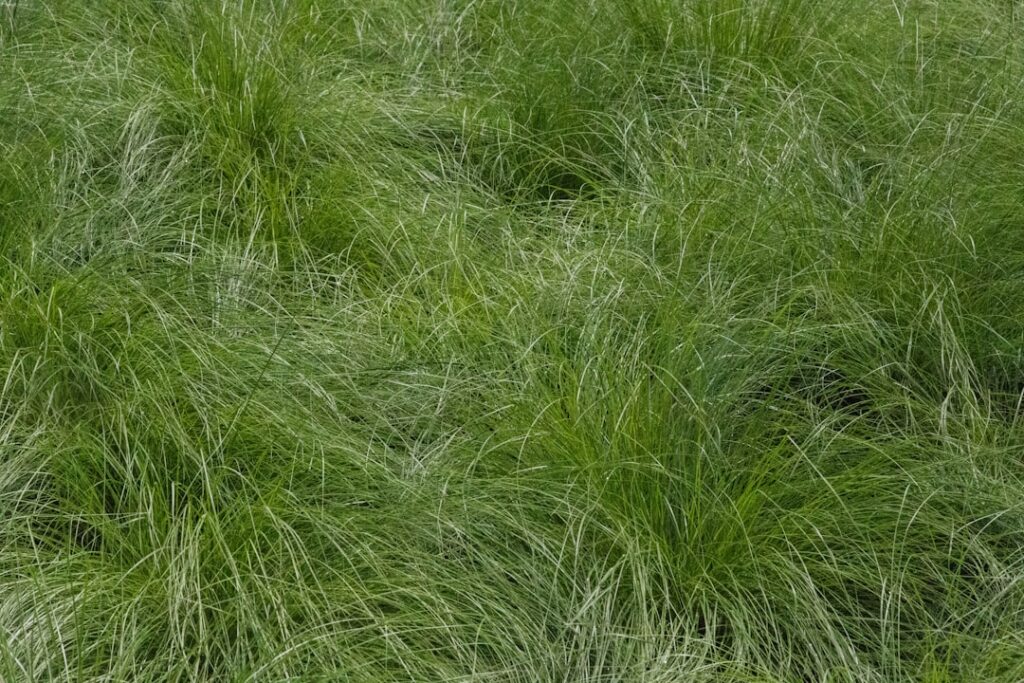
Chinese silver grass is one of the most versatile and dramatic ornamental grasses in the landscape, prized for its graceful arching foliage, feathery silver-to-pink plumes, and rich fall and winter color. Known botanically as Miscanthus sinensis, it forms tall, upright clumps that add movement, texture, and a strong vertical accent to any garden, and it looks especially stunning when its plumes catch the low autumn light. It is tough, adaptable, and easy to grow, though gardeners should be aware that it self-seeds and is considered invasive in some regions, so cultivar choice matters.
- Hardiness and Climate
- Mature Size and Growth Rate
- Spacing
- Sun and Soil Requirements
- Planting Step by Step
- Watering and Feeding
- Cutting Back Each Year
- Dividing Overgrown Clumps
- The Invasiveness Consideration
- Seasonal Interest Through the Year
- Choosing the Right Cultivar for Your Garden
- Pests, Problems and Landscape Use
Hardiness and Climate
Chinese silver grass is a warm-season grass hardy across a broad range, generally USDA zones 5 through 9, with some cultivars tolerating zone 4. As a warm-season grass, it starts growth later in spring, does most of its growing through the heat of summer, and blooms in late summer to fall, holding its plumes and tan winter form well into the cold months. It tolerates both heat and cold well and adapts to a wide range of climates across the country, which is a big part of its enduring popularity.
Mature Size and Growth Rate
Size varies significantly by cultivar, so read the tag. Most types reach 4 to 8 feet tall in foliage, with the plumes adding another foot or two, and clumps spread 3 to 6 feet wide. It grows fast in the warm months, often reaching full size within a couple of seasons, and forms an increasingly substantial clump over the years. Compact cultivars stay much smaller, making the plant workable even in modest gardens.
- ‘Adagio’ and ‘Yaku Jima’: compact, 3 to 5 feet, for smaller spaces
- ‘Gracillimus’ (maiden grass): fine-textured, 5 to 7 feet, classic fountain form
- ‘Morning Light’: elegant variegated foliage, 4 to 6 feet
- ‘Zebrinus’ and ‘Strictus’: horizontal yellow banding, 6 to 8 feet
Spacing
Give these substantial grasses room to reach their full, graceful form:
- Large cultivars (6-8 ft): space 4 to 6 feet apart
- Medium cultivars (4-6 ft): space 3 to 4 feet apart
- Compact cultivars (3-5 ft): space 2 to 3 feet apart
- As a screen: space at the closer end of the range to grow together
Sun and Soil Requirements
Full sun is essential for strong, upright growth and abundant plumes; give it at least six hours of direct light a day. In too much shade, the clumps flop open, grow weakly, and produce few flowers. As for soil, Chinese silver grass is highly adaptable, growing in sandy, loamy, or clay soils across a wide pH range. It prefers moist, well-drained, moderately fertile soil but tolerates poor soil, occasional drought, and even damp conditions once established. This wide adaptability is exactly why it succeeds in so many gardens, though it is also part of why it can naturalize where it is not wanted.
Planting Step by Step
Plant in spring so the warm-season grass has the whole growing season to establish before winter. Dig a hole as deep as the root ball and twice as wide, set the crown at grade, and backfill with native soil. Water thoroughly and mulch to conserve moisture. Water regularly through the first growing season while the roots establish; after that the plant is quite self-sufficient. Give it enough room at planting so you are not fighting its size later.
Watering and Feeding
Water new plantings consistently through the first year to build a strong root system. Once established, Chinese silver grass is moderately drought-tolerant and needs supplemental water mainly during extended dry spells, though it grows lushest with steady moisture. Feeding needs are modest. A single light application of a balanced slow-release fertilizer in spring supports healthy growth; avoid heavy feeding, which encourages floppy growth and can worsen its tendency to open up in the center.
Cutting Back Each Year
The one essential maintenance task is an annual cut-back. In late winter or very early spring, before new growth emerges, cut the entire clump down to about 6 to 12 inches from the ground. This clears away the previous year’s tan foliage and spent plumes and makes room for a clean flush of fresh growth. On a big, dense clump this is a real job; use hedge shears, loppers, or a power trimmer, and many gardeners tie the clump into a bundle first for easier cutting and cleanup. Leaving the dead foliage standing through winter is fine and even attractive, but it must come off before spring growth begins.
Dividing Overgrown Clumps
Over several years, clumps enlarge and may die out in the center, leaving a bare middle ring. When this happens, divide the plant in early spring. Dig up the clump, discard the dead center, and split the healthy outer portions into new divisions to replant or share. Established Miscanthus clumps develop dense, tough root masses, so dividing a large one often takes a sharp spade or even an axe or saw, but it rejuvenates the plant and multiplies your stock.
The Invasiveness Consideration
Be aware that Miscanthus sinensis self-seeds readily and has escaped cultivation to become invasive in parts of the eastern and southeastern United States, colonizing roadsides and disturbed areas. To garden responsibly:
- Check local invasive-species lists before planting, as some areas discourage or restrict it
- Choose sterile or low-seeding cultivars where available
- Cut off plumes before they set seed if you live where it naturalizes
- Consider native grasses like switchgrass or little bluestem as alternatives in problem regions
Seasonal Interest Through the Year
Part of what makes Chinese silver grass such a valued landscape plant is that it earns its keep in every season. Spring brings a fresh flush of upright green (or variegated) foliage from the crown. Through summer the clump builds into a graceful, arching fountain that adds height and movement to the border, swaying and rustling with every breeze. Late summer into fall delivers the main event, as the feathery plumes emerge in shades of silver, pink, copper, or burgundy depending on the cultivar, glowing spectacularly when backlit by low morning or evening sun.
Winter is where this grass outshines most perennials. Rather than collapsing, the foliage fades to warm tan and gold and stands upright through the cold months, holding its plumes and catching frost and snow for a striking cold-season silhouette. Leaving the clump standing through winter also provides cover for birds and beneficial insects before you cut it back in late winter. Few plants offer this much sustained interest across all four seasons.
Choosing the Right Cultivar for Your Garden
With dozens of selections available, matching the cultivar to your space and taste is worth a moment’s thought when you shop for Chinese silver grass. For small gardens, compact types like ‘Adagio’ and ‘Yaku Jima’ stay in scale. For a classic, fine-textured fountain, ‘Gracillimus’ is the traditional favorite. ‘Morning Light’ offers refined variegated foliage that reads almost silver from a distance, while the boldly banded ‘Zebrinus’ and upright ‘Strictus’ bring unusual horizontal yellow markings. If you live where the plant self-seeds aggressively, prioritize sterile or low-seeding selections, and always confirm what performs and behaves well in your particular region before planting a large stand.
Pests, Problems and Landscape Use
Chinese silver grass is remarkably pest- and disease-free and is generally deer-resistant, adding to its low-maintenance appeal. The main issues are cultural: flopping from too much shade or overfeeding, and dead centers signaling the need for division. In the landscape it excels as a specimen, a seasonal privacy screen, a backdrop for perennial borders, and a source of dried plumes for arrangements. Its late-season plumes and winter form provide interest long after most perennials have faded, and the movement it brings to a windy site is hard to match.
Chinese silver grass delivers big, graceful drama for very little effort. Give it full sun and room to grow, cut it back hard each late winter, and divide it when the center dies out. Just choose your cultivar thoughtfully and mind local invasive rules, and this elegant grass will bring texture, movement, and glowing autumn plumes to your garden year after year.