
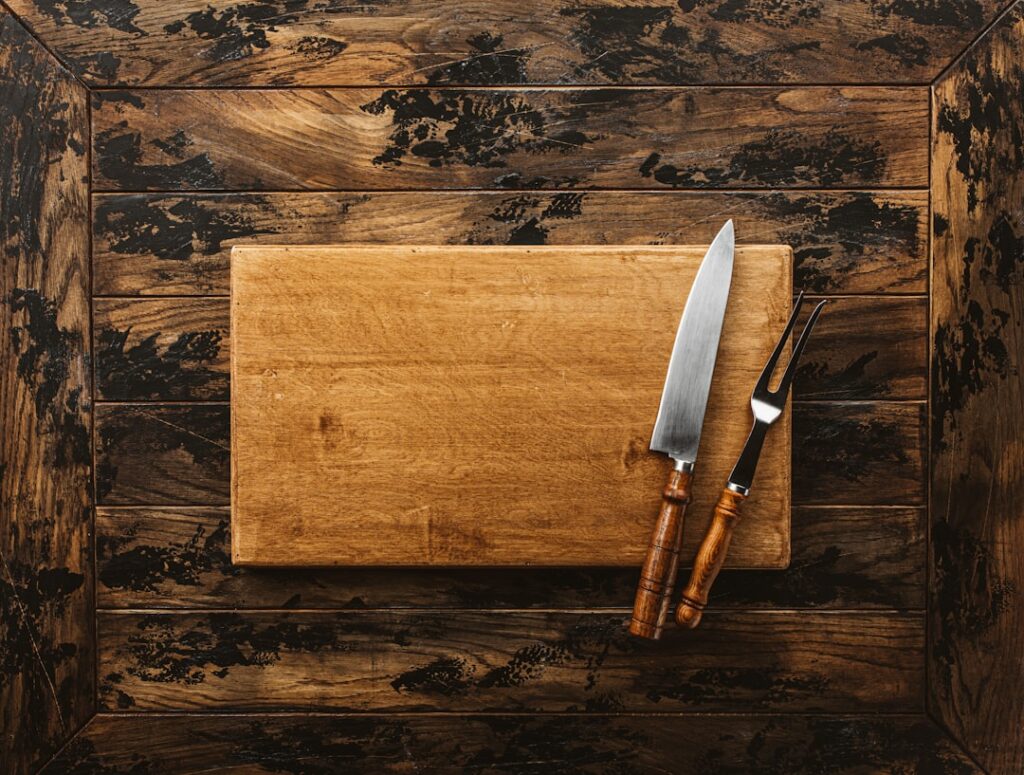
Few kitchen surfaces feel as inviting as solid wood, and a chopping block countertop brings that warmth while doubling as a working cutting surface. Often called butcher block, this style of countertop is made from strips or blocks of hardwood glued together into a thick, durable slab. A well-built chopping block countertop can serve a family for decades, and unlike stone, it can be sanded and refinished when life leaves its marks.
Part of our Countertops guide — explore the full guide →
This guide covers the wood species and grain styles worth knowing, realistic costs, the food-safe finishes that keep the surface sanitary, and the routine care that protects your investment. You will also learn where a wood counter shines and where another material makes more sense.
What a Chopping Block Countertop Is
A chopping block countertop is a thick slab of hardwood engineered specifically for kitchen use. Manufacturers laminate many narrow pieces of wood together under pressure with food-appropriate adhesive, which creates a stable surface that resists the warping a single wide board would suffer. Thickness typically ranges from about 1.5 inches for a standard counter to 4 inches or more for a heavy-duty island or a true chopping station.
The appeal is twofold. Wood adds visual warmth and a tactile quality that hard surfaces cannot match, and it gives you a forgiving surface for knife work that will not dull your blades the way granite or quartz does. The trade-off is that wood is a living material that needs care, which the rest of this guide addresses directly.
Common Wood Species
The species you choose affects hardness, color, grain, and price. A few hardwoods dominate the market because they balance durability with looks.
- Hard maple: the classic choice, pale and tight-grained, very hard and resistant to wear.
- Walnut: rich chocolate tones, softer than maple but prized for its color depth.
- Cherry: warm reddish hue that deepens with age and light exposure.
- White oak: strong, with a pronounced grain and good moisture resistance.
- Birch and beech: budget-friendly options with light, even coloring.
If the counter will see heavy chopping, lean toward the harder species like maple or oak. For an accent island where appearance leads, walnut and cherry reward the splurge.
Grain Styles That Affect Durability
How the wood pieces are oriented changes both look and performance. Edge grain uses long strips laid on their edges, giving long continuous lines and a clean, modern look at a moderate price. Edge grain is the most popular choice for everyday countertops.
End grain, the true butcher-block style, stands the wood fibers upright like a bundle of straws. Knife edges slip between the fibers rather than slicing across them, so the surface self-heals to a degree and stays gentler on blades. End grain is the most durable for actual chopping but also the most expensive and the heaviest. Face grain shows the widest, most decorative pattern but is the least resistant to knife marks, making it better suited to a counter you will not cut on directly.
Cost Considerations
Wood countertops occupy a wide price range. Off-the-shelf birch or beech blocks can start around $30 to $60 per square foot installed, while premium walnut or thick end-grain maple custom slabs can climb to $100 to $200 or more per square foot. Factors that move the number include species, thickness, grain orientation, edge profile, and whether you buy a stock size or a custom fit with sink cutouts.
You can save meaningfully by installing pre-finished sections yourself if you are comfortable with basic carpentry, since a stock counter is essentially a heavy plank that bolts to your cabinets. Custom work, undermount sinks, and intricate edges are where professional installation earns its cost. Always confirm whether a quoted price includes finishing, because raw wood needs sealing before it touches food.
Food-Safe Finishes
The finish determines whether your counter is a safe food surface or a maintenance headache. For any area where you cut food directly, use a food-safe finish such as food-grade mineral oil, or a blend of mineral oil and beeswax. These penetrate the wood, repel moisture, and are safe for contact with food. They wear away over time, which is why reapplication is part of owning a wood counter.
Some homeowners choose a hard film finish like a food-safe varnish or a penetrating hardwax oil for sections that will not be cut on, such as a perimeter counter, because it resists water better. The key rule is simple: if you plan to chop directly on the surface, stick with reapplied food-grade oil rather than a film finish, since a damaged film can trap moisture and harbor bacteria underneath. Always follow the specific product label for cure time before using the surface.
Daily Care and Sanitizing
Treat a chopping block countertop gently and it will reward you. Wipe spills promptly, never let standing water sit, and clean with mild soap and a damp cloth rather than soaking the wood. Do not flood the surface or submerge any part of it, because wood swells and cracks when it absorbs water deeply.
To sanitize, wipe the surface and let it dry; for occasional disinfecting many owners use a diluted vinegar solution or food-safe sanitizing methods rather than harsh bleach, and the wood should be dried right away. Raw meat deserves extra caution. Because wood is porous, use a separate dedicated cutting board for raw chicken and meat to avoid cross-contamination, and clean the counter thoroughly after any contact with raw juices. Re-oil the surface roughly once a month when new, then every few months as the wood stabilizes, applying oil whenever the wood looks dry or water stops beading.
Refinishing and Long-Term Care
The best feature of wood is that it is renewable. When the surface accumulates deep knife scars, water stains, or burns, you can sand it smooth and re-oil it to bring back a near-new appearance, something no stone or laminate counter allows. Light scratches often disappear with a single sanding and a fresh coat of oil.
Keep hot pots off the bare wood with trivets, since heat scorches and dries the surface, and address any small cracks early by cleaning and re-oiling before they widen. With consistent oiling, prompt spill cleanup, and an occasional sanding every few years, a quality chopping block countertop stays beautiful and functional for the long life of your kitchen.


