A closet organizer hanging system is the fastest, most affordable way to transform a cluttered, single-rod closet into a tidy, high-capacity storage space, often without a single screw or stud finder. These systems suspend shelves, compartments, and rods directly from your existing closet rod, so a renter or a homeowner can install one in minutes and take it along when they move. If your closet floor is a graveyard of shoes and your shelf is an avalanche waiting to happen, a hanging organizer is the upgrade to make first.
- What Is a Hanging Closet Organizer?
- Types of Hanging Closet Organizers
- Key Benefits of Hanging Organizers
- How to Choose the Right Size
- Ideal Hanging Heights and Layout
- Weight Limits You Should Respect
- Installation in Five Minutes
- Maximizing a Small Closet
- Care and Longevity
- Common Mistakes to Avoid
- Materials: Which Fabric Lasts Longest
- Combining Hanging Organizers With Other Storage
- The Bottom Line
What Is a Hanging Closet Organizer?
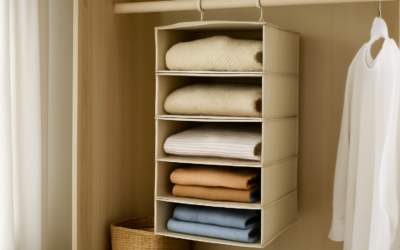
A hanging closet organizer is a fabric, canvas, or wire structure with built-in cubbies, shelves, or drawers that attaches over your closet rod using hook-and-loop straps or sturdy loops. Instead of drilling a full shelving system into the wall, you simply drape the organizer over the rod and it hangs vertically, creating instant compartmentalized storage in the dead space below your hanging clothes. Some models add side pockets, hanging rods of their own, or clip-on drawers.
Types of Hanging Closet Organizers
- Hanging shelf organizers: the classic 5- or 6-shelf fabric tower for folded sweaters, jeans, and bags.
- Hanging shoe organizers: vertical pockets holding 8 to 24 pairs, saving valuable floor space.
- Hanging drawer units: collapsible fabric cubes with pull-out drawers for underwear, socks, and accessories.
- Sweater and shelf combos: hybrid units with a few shelves plus side mesh pockets.
- Hanging jewelry and accessory organizers: thin panels with clear pockets for small items.
Key Benefits of Hanging Organizers
- No tools required: most install in under two minutes.
- Renter-friendly: zero wall damage and fully portable.
- Affordable: quality units run $12 to $40.
- Flexible: rearrange or remove sections as your needs change.
- Space-multiplying: they capture the empty vertical zone below short-hanging items like shirts.
How to Choose the Right Size
Before buying, measure your closet rod height and the clear vertical space beneath your shortest hanging garments. Most fabric shelf organizers are 10 to 12 inches wide and 40 to 50 inches tall with 6 shelves. Confirm three things:
- Rod diameter: the strap must close around your rod, which is usually 1 to 1.5 inches.
- Vertical clearance: the organizer should not drag on the floor or crush the clothing beside it.
- Width footprint: leave room for the garments you still want to hang around it.
Ideal Hanging Heights and Layout
To get the most from a hanging organizer, pair it with smart rod placement. In a reach-in closet, a double-hang zone works well: mount a higher rod at about 80 inches and a lower rod at about 40 inches for shirts, then place the hanging shelf tower in the section reserved for folded items. Reserve one full-height section for dresses and coats. This layered approach can nearly double usable capacity in a standard 6-foot closet.
Weight Limits You Should Respect
The biggest cause of a sagging or collapsing hanging organizer is overloading. The entire load transfers to your closet rod and its wall brackets. Keep these limits in mind:
- A standard fabric shelf tower is rated for roughly 20 to 30 pounds distributed across its shelves.
- Your closet rod brackets, if only anchored in drywall, may fail above 30 to 40 pounds total.
- Put heavier items like jeans and sweaters on the lower shelves to keep the center of gravity low.
If you plan to load an organizer heavily, make sure your rod brackets are screwed into wall studs or use heavy-duty drywall anchors rated for the weight.
Installation in Five Minutes
- Clear the section: Slide hanging clothes to one side to expose bare rod.
- Wrap the straps: Open the hook-and-loop straps at the top of the organizer.
- Loop over the rod: Drape the organizer so the straps wrap fully around the rod, then press the closures firmly.
- Tug test: Give it a gentle pull to confirm the straps are secure.
- Load bottom-up: Fill lower shelves first with heavier items for stability.
Maximizing a Small Closet
Hanging organizers shine in tight reach-in closets and apartments. Combine several types for a complete system: a shelf tower for folded clothes, a hanging shoe organizer on the back of the door or a spare rod section, and a slim accessory panel for belts and scarves. Add slim velvet huggable hangers to reclaim rod space, and use the top shelf of the closet for seasonal bins. Layering these inexpensive pieces often outperforms an expensive built-in system for a fraction of the price.
Care and Longevity
Fabric organizers last for years with minimal care. Spot-clean canvas and polyester with a damp cloth and mild soap, and let it air-dry fully before reloading. Avoid hanging wet items directly on the shelves, which can cause mildew and staining. If a strap wears out, many brands sell replacements, or you can reinforce it with a heavy-duty zip tie. When you move, simply unclip, fold flat, and pack the organizer with your clothes.
Common Mistakes to Avoid
- Overloading a single shelf and stretching the fabric permanently.
- Ignoring the closet rod’s own weight rating and pulling brackets from the wall.
- Choosing an organizer too tall for the closet so it puddles on the floor.
- Blocking your remaining hanging space with an oversized unit.
Materials: Which Fabric Lasts Longest
Not all hanging organizers are built the same, and the material largely determines how long yours will hold its shape. When shopping, weigh these common options:
- Non-woven polypropylene: the cheapest, lightweight and fine for light loads, but it stretches and sags over time under heavy items.
- Canvas and cotton blends: more breathable and structured, giving a cleaner look, though they can absorb moisture.
- 600D polyester (Oxford cloth): the most durable common choice, resisting sagging, tearing, and stains for years.
- Wire and mesh shelves: maximum airflow and rigidity, ideal for shoes and items that need ventilation.
Look for reinforced shelves, often stiffened with a removable cardboard or plastic insert, and sturdy double-stitched seams. Metal grommets on the hanging straps also outlast plastic buckles. Spending a few extra dollars on a heavier fabric pays off in an organizer that keeps its shape rather than drooping into a shapeless bag within a season.
Combining Hanging Organizers With Other Storage
A hanging organizer works best as part of a layered closet system rather than a standalone fix. Pair it with these complementary solutions for a closet that functions far beyond its square footage:
- Over-the-door racks: capture the back of the closet door for shoes, accessories, or cleaning supplies.
- Slim velvet hangers: reclaim several inches of rod space compared to bulky plastic hangers.
- Clear stackable bins: corral the top shelf for seasonal items you can still see.
- Under-shelf baskets: add a hidden layer of storage beneath existing shelves.
- Drawer dividers: keep small items sorted within any hanging drawer unit.
By stacking several inexpensive, removable solutions, renters and homeowners alike can rival the capacity of a pricey custom closet system for a tiny fraction of the cost, and take the whole setup with them when they move.
The Bottom Line
A closet organizer hanging system is proof that better storage does not require a renovation budget or a drill. For less than the cost of a nice dinner, you can add six shelves, a dozen shoe pockets, or a set of pull-out drawers that instantly tame the chaos. Measure your closet, respect the weight limits, and combine a few complementary hanging pieces, and you will wring every usable inch out of even the smallest reach-in closet, all while keeping the option to pack it up and take it with you when you move.