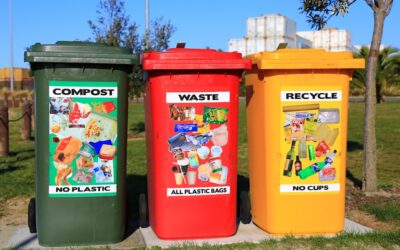
A backyard composter quietly recycles 30 percent of household food waste into rich soil that outperforms anything you can buy at the garden center. Picking the right compost container outdoor setup determines whether you spend ten minutes a week and harvest finished compost in four months, or you fight a stinking, fly-swarmed mess that you abandon by July. Twenty years of garden coaching has taught me that container choice matters as much as what you put inside. This guide compares every real-world option with honest numbers on cost, capacity, and how fast each one actually produces compost.
Part of our Windows & Doors guide — explore the full guide →
Why the Container Type Changes Everything
All composting follows the same biology — microbes break down carbon-rich browns and nitrogen-rich greens into stable humus, given enough moisture, oxygen, and heat. The container’s job is to hold the pile, retain heat and moisture, and let you turn the contents to add oxygen. Different designs handle these jobs in vastly different ways.
A pile on bare ground works for big yards with lots of brown material. A sealed plastic bin works for small yards where neighbors complain about appearance. A rotating tumbler works for impatient gardeners who want finished compost in 6-8 weeks. Match the container to your space, time investment, and patience.
Tumbling Composters
Tumblers are sealed barrels mounted on an axis so you can spin them by hand. The rotation mixes the contents and incorporates air, which speeds decomposition dramatically. Most tumblers process a full batch into usable compost in 4-8 weeks during warm months.
Capacity ranges from 30 to 80 gallons. Dual-chamber models like the Lifetime 60-gallon or the Yimby Tumbler let one batch finish curing while the other accepts fresh material. Expect to pay $130-$280 for a quality tumbler. Watch for thin plastic walls on cheap models — they crack within 2-3 winters in northern climates. Look for UV-resistant HDPE construction.
Stationary Plastic Bins
The classic black plastic bin sits directly on the ground with an open bottom that lets worms and microbes enter from soil below. The closed top and sides retain heat and keep most pests out. These are the cheapest commercial option, running $50-$120 at any garden center or big-box store.
Brands like Geobin, FCMP Outdoor, and Earth Machine all sell variations of this design. Capacity ranges from 60 to 110 gallons. The downside is mixing — there is no way to turn the contents without pulling everything out through the top hatch and forking it back in. Plan on 6-9 months for compost to finish in these bins.
Open Wire and Wooden Bins
For larger yards with significant garden waste, an open wire or wood-slat bin handles bigger volumes than any plastic option. A three-bin system built from 36-inch wire fence panels or recycled pallets holds 200-400 gallons of material across three stages — fresh, working, and finished.
Building a three-bin system from used pallets costs $0-$50 and takes a Saturday afternoon. Snake the pallets together with wire ties and you have a functional system that lasts 5-7 years. The open structure means lots of air circulation but also rapid moisture loss, so water the piles weekly in dry weather.
Worm Bins for Compact Spaces
Vermicomposters use red wiggler worms to process food scraps in a stacked tray system. They fit in apartments, garages, or under-counter spaces and produce nutrient-dense worm castings rather than traditional compost. The Worm Factory 360 and Hungry Bin are the two leaders, running $130-$260.
Worm bins process about half a pound of food scraps per square foot of surface area per week. They smell like fresh soil when balanced correctly. Skip citrus, onions, garlic, and meat — worms reject them. The trays separate finished castings from active worms, making harvest easy after 3-4 months.
Capacity Sizing for Your Household
Match container size to your real output. The average US household generates the following kitchen scraps weekly:
- Single person or couple — 3 to 5 pounds per week, a small tumbler or worm bin fits
- Family of four — 8 to 14 pounds per week, a 60-80 gallon stationary bin or dual tumbler
- Family of six or more — 18 to 25 pounds per week, a three-bin open system handles the volume
- Garden-heavy households — double the kitchen estimate to account for leaves, grass, and prunings
Undersize and you fill up by August with nowhere to go. Oversize and the pile never reaches the critical mass needed to heat up and decompose efficiently.
Odor and Pest Management
A working compost pile smells like damp forest, not garbage. Strong odors signal trouble — usually too much nitrogen, too much moisture, or anaerobic conditions. Fix odor problems by adding browns (shredded leaves, cardboard, straw) to balance the nitrogen and turning the pile to add air.
Pest exclusion depends on the container. Tumblers are essentially rodent-proof. Sealed plastic bins keep most pests out. Open wire bins attract everything from raccoons to rats, especially when you compost meat, dairy, or oils. Skip those items entirely or invest in a rodent-resistant tumbler with a tight-fitting door.
Cold Climate Performance
Composting slows dramatically below 40°F. In zones 3-5, the pile freezes solid for 2-4 months each winter. Pick a container that holds heat and breaks the wind. Insulated bins like the Aerobin 400 maintain composting temperatures longer into fall and start back up sooner in spring.
For cold climates, position the bin in full afternoon sun against a south-facing fence or wall. Wrap a tumbler with bubble wrap insulation in November to extend the active season by 4-6 weeks. Some homeowners maintain a year-round indoor worm bin and add finished castings to a dormant outdoor pile each spring.
What to Add and What to Skip
Aim for a 2:1 to 3:1 ratio of browns to greens by volume. Greens include kitchen scraps, fresh grass clippings, and coffee grounds. Browns include dry leaves, shredded cardboard, and straw. Skip dairy, meat, oils, pet waste, glossy paper, and anything diseased.
Chop everything to under 2 inches before adding. Smaller pieces decompose 3-5x faster than whole items. A simple kitchen counter compost crock with a charcoal filter keeps scraps tidy between trips to the outdoor bin. Done right, your compost container outdoor setup pays for itself in fertilizer savings inside two growing seasons and feeds your garden for years to come.