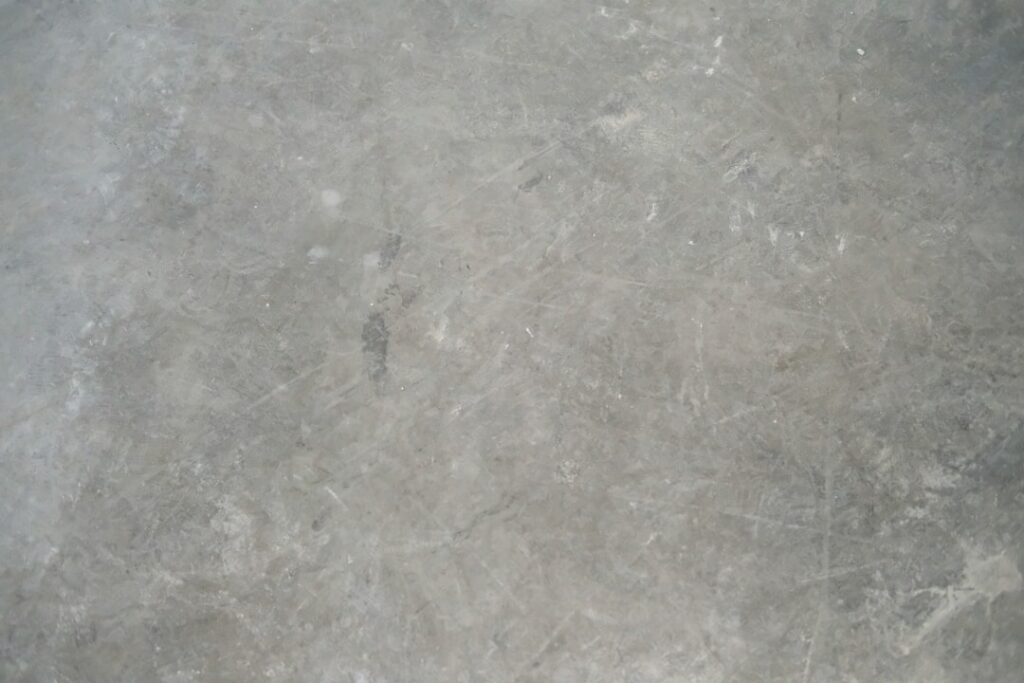
Concrete went from industrial afterthought to design statement in roughly 15 years, and the shift caught a lot of homeowners off guard. Modern concrete flooring solutions include polished slabs, acid-stained overlays, microtoppings as thin as 1/8 inch, and high-build epoxy systems rated for forklifts. Picking among them depends on the existing slab, your moisture situation, and how much patina you actually want to see.
- The Five Major System Types
- Real Pros Worth Knowing
- The Honest Cons
- Cost Breakdown by System
- Moisture Testing First, Always
- Color and Finish Choices
- Maintenance That Keeps It Looking New
- DIY vs Hiring a Pro
- Sound Reflection and Softening Strategies
- Radiant Heat Compatibility
- When Concrete Is the Right Answer
The Five Major System Types
Not every installer offers every option, so it helps to know what you’re asking for before you call. Each system has a different price point and use case.
- Polished concrete: Mechanical grinding of an existing slab, usually 400 to 3000 grit
- Acid stain: Chemical reaction that creates variegated, leather-like color
- Water-based stain: Pigmented sealer that lays more uniformly than acid
- Microtopping: 1/16 to 1/4 inch cementitious overlay over damaged slabs
- Epoxy coatings: Full color or flake systems, often 30 to 60 mil thick
Real Pros Worth Knowing
Durability is the headline. A properly sealed concrete floor can last 50 years with minimal maintenance. It won’t harbor allergens, survives pet accidents, and pairs beautifully with radiant heat. Thermal mass keeps rooms cooler in summer, which matters in Texas, Arizona, and Florida builds. And if you already have a slab, you’re essentially finishing a surface you’ve been paying for anyway.
The Honest Cons
Concrete is hard. Drop a wine glass from three feet and it vaporizes. Standing on it for eight hours in a kitchen takes a toll on knees and lower backs, which is why anti-fatigue mats near prep areas are non-negotiable. It’s also cold underfoot in climates without radiant heat, running 5 to 10 degrees below ambient in winter.
Cracks are inevitable. Concrete moves, and even a hairline crack shows through a stain. Some designers sell this as character. Many homeowners disagree once it happens to them.
Cost Breakdown by System
Expect these installed price ranges for 500+ sq ft projects in 2026:
- Basic polished concrete: $3 to $8 per sq ft
- Stained and sealed: $4 to $10 per sq ft
- Microtopping with color: $7 to $15 per sq ft
- Epoxy flake garage system: $5 to $9 per sq ft
- High-end decorative with scoring: $12 to $25 per sq ft
Small jobs under 300 sq ft often carry a mobilization minimum of $1,500 to $2,500 regardless of area.
Moisture Testing First, Always
Before anything goes on a slab, measure moisture vapor emission with a calcium chloride test or RH probe. Anything above 3 pounds per 1,000 sq ft per 24 hours, or 75 percent RH, will ruin most coating systems within months. Moisture mitigation primers like Ardex MC Rapid can bump the tolerance up but add $2 to $4 per sq ft. Skipping this test is the single most expensive mistake in concrete flooring solutions.
Color and Finish Choices
Acid stains pull from the minerals in the slab itself, so two identical applications on different concrete batches look different. This is the charm and the risk. Water-based stains are more predictable and come in roughly 40 colors. For polished concrete, you decide between cream (exposes little aggregate), salt and pepper (light grinding exposes sand), and full exposure (deep grind revealing stones). Each step deeper costs roughly 25 percent more.
Maintenance That Keeps It Looking New
Dust mop daily in high-traffic areas. Mop weekly with a pH-neutral cleaner like Prosoco Consolideck LSKlean. Avoid vinegar, ammonia, and citrus cleaners, which etch the sealer. Reapply a topical guard like Prosoco LSGuard every 18 to 36 months depending on traffic. Polished concrete with densifier only, no topical sealer, can skip this step but loses some stain resistance.
DIY vs Hiring a Pro
Garage epoxy kits from Rust-Oleum or Rocksolid, priced $150 to $400 per two-car garage, are genuinely DIY-friendly if you etch properly. Polished concrete is not. It requires 200-pound planetary grinders, diamond tooling that runs $40 per pad, and wet vacuum systems that handle silica dust. Hire this out. A good concrete finisher has 5+ years with a specific grinder and will usually carry silica safety documentation under OSHA Table 1.
Sound Reflection and Softening Strategies
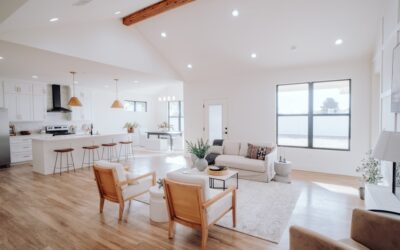
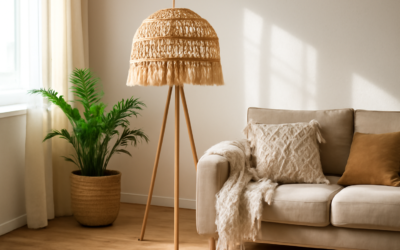
A concrete floor bounces sound the same way a tile floor does, and open-plan rooms with concrete can sound echo-prone. Area rugs absorb most of the harsh reflections. An 8×10 wool rug in a living room drops reverb noticeably. For home offices or music rooms, acoustic panels on ceilings and walls complete the softening. Concrete still pairs beautifully with upholstered furniture, drapes, and layered textiles, the warmth just needs to come from the decor rather than the floor itself.
Radiant Heat Compatibility
Concrete is the single best partner for hydronic or electric radiant heating. The thermal mass holds warmth evenly across the room and radiates for hours after the system cycles off, cutting energy use by 10 to 20 percent compared to forced air in the same space. Temperature differential across the floor stays within 3 to 5 degrees F on a well-designed system, eliminating cold spots. Just make sure the coating or stain selected is rated for radiant use up to 140 degrees F surface temperature. Cheap acrylic sealers can discolor or crack at heating cycle transitions.
When Concrete Is the Right Answer
Open-plan first floors over slab-on-grade, modern architecture, homes with in-floor radiant heat, and anyone tired of replacing flooring every 10 years. If your slab is in decent shape and you can live with occasional hairline cracks, concrete flooring solutions deliver one of the longest life cycles in residential flooring. For upstairs rooms or plywood subfloors, stick with hardwood, LVP, or tile instead. The weight of concrete topping over a wood-framed floor exceeds most structural load ratings without reinforcement.