A convection baseboard heater is one of the simplest and most reliable ways to add warmth to a single room without ductwork, a furnace, or a noisy fan. Mounted low along the wall, it draws in cool air at floor level, warms it over an electric element, and lets that heated air rise naturally to circulate through the space.
These units are popular in additions, basements, bedrooms, and older homes where extending a central system would be expensive. Understanding how they work, how to size them, and what they cost to run will help you decide whether one belongs in your home and how to get the most from it.
How Convection Heating Works
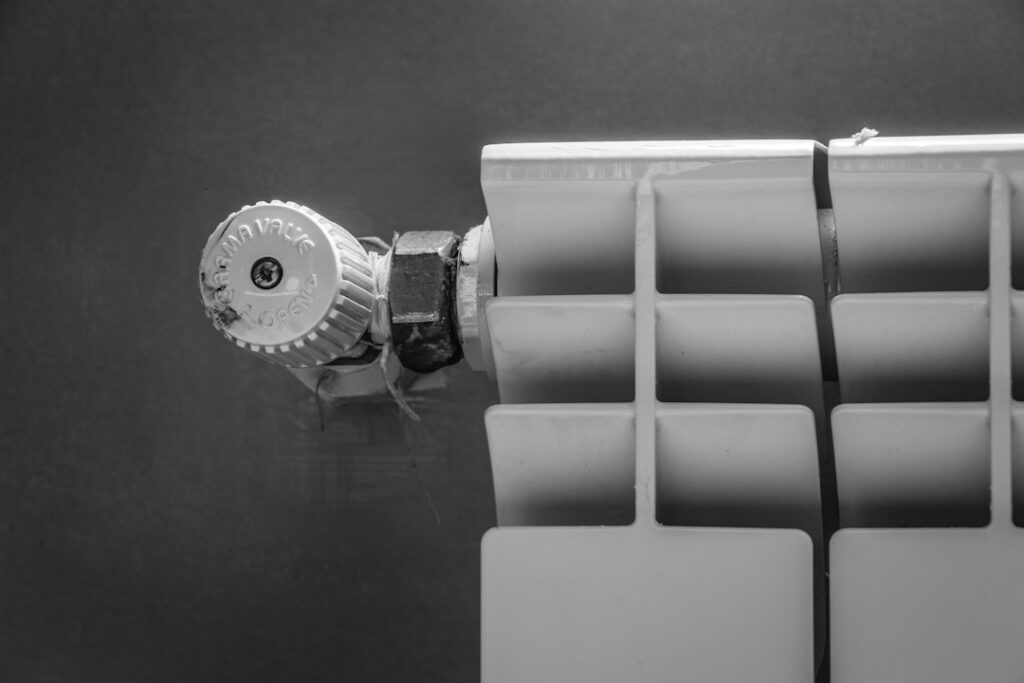
The principle is basic physics: warm air is less dense than cool air, so it rises. Cool air near the floor enters the bottom of the unit, passes over a heated metal element with aluminum fins, absorbs heat, and floats upward and outward into the room. As that air cools, it sinks back to the floor and the cycle repeats, creating a slow, continuous loop with no moving parts.
Because there is no blower, the process is nearly silent aside from occasional soft ticking as metal expands and contracts. That quietness is the main reason these units are favored in bedrooms and studies. The tradeoff is speed: convection warms a room gradually rather than blasting instant heat.
Types of Baseboard Units
There are two broad families of baseboard heat, and it helps to know the difference before you shop:
- Standard electric convection: An exposed heating element with fins warms air directly. Cheapest to buy at $30 to $120 per unit, fast to heat up, but cools quickly once it shuts off.
- Hydronic (fluid-filled): The element heats an internal liquid, which then warms the fins. Costs $80 to $250 but holds heat longer after the thermostat clicks off, smoothing temperature swings and slightly improving comfort.
Both use natural convection to move air. Hydronic models cycle less often and feel more even, which many homeowners find worth the higher upfront price in rooms used for long stretches.
Sizing a Convection Baseboard Heater
Getting the size right is the single most important decision. Undersize it and the room never reaches temperature on cold days; oversize it and you waste money and get uneven heat. The common rule is roughly 10 watts per square foot for a well-insulated room with average ceilings.
That means a 150-square-foot bedroom needs about 1,500 watts, which a single 6-foot unit provides. Bump the estimate up by 20 to 25 percent for rooms with poor insulation, many windows, or exterior corners. A convenient shortcut is length: baseboard units deliver about 250 watts per linear foot, so a 1,500-watt need translates to roughly 6 feet of heater.
Installation Basics
Most electric convection units are hardwired to a 240-volt circuit, though smaller 120-volt models plug in or wire to a standard circuit. A 240-volt unit is more efficient at delivering higher wattage over the same wire, which is why it dominates whole-room applications. Hardwiring should be done by a licensed electrician if you are not comfortable working in the panel.
Placement follows a few firm rules. Mount the unit on an exterior wall under a window when possible, since that is where cold air descends and the rising warm air counteracts the draft. Leave at least 12 inches of clearance from furniture and drapes so airflow is not blocked and fabric cannot contact the element. Keep the bottom edge about three-quarters of an inch off the floor to let cool air enter.
Operating Costs and Efficiency
Electric resistance heat is 100 percent efficient at the unit, meaning every watt becomes heat, but electricity is often a pricey fuel. At the U.S. average rate of about 16 cents per kilowatt-hour, running a 1,500-watt heater at full output costs roughly 24 cents per hour, or a few dollars a day if it runs much of the time in winter.
That makes control the key to affordability. A quality thermostat that matches the room, plus zoning so you heat only occupied spaces, keeps bills reasonable. Convection baseboards shine as supplemental or single-room heat, not as a whole-house solution where a heat pump would cost far less to run.
Getting the Most From Your Unit
A few habits dramatically improve how well a convection baseboard heater performs and how much it costs to operate:
- Install a dedicated line-voltage or low-voltage thermostat rather than relying on the unit’s built-in dial, which is imprecise.
- Keep the fins clean; dust and pet hair between them insulate the metal and cut output. Vacuum with a brush attachment each fall.
- Never place furniture, bedding, or curtains directly in front of or above the unit, both for airflow and fire safety.
- Seal drafts around nearby windows and outlets so the heater is not fighting a constant leak of cold air.
- Set back the temperature when the room is empty; a programmable thermostat pays for itself in a season.
Maintenance and Lifespan
These are among the most durable heaters you can own precisely because they have no fans, filters, or complex parts. A well-made unit commonly lasts 15 to 20 years. Annual care amounts to little more than vacuuming the fins and wiping the housing. If a unit stops heating, the culprit is usually a failed thermostat or a tripped breaker rather than the element itself.
Watch for signs of trouble like a persistent burning smell after the first seasonal use, which is usually just accumulated dust burning off but should fade within an hour. If it lingers, or if the housing discolors, shut the unit down and inspect for debris against the element.
Convection vs. Fan-Forced Heat
Homeowners often weigh a convection baseboard against a fan-forced heater, and the two suit different needs. A fan-forced unit blows air across the element, warming a room in minutes and mixing the heat more evenly, but the blower adds noise and a moving part that eventually wears out. Convection is slower and quieter, with warmth that pools near the floor before filling the space.
For a bedroom where silence matters and the heat can build gradually overnight, convection wins easily. For a bathroom or entry where you want a fast burst of warmth on demand, fan-forced makes more sense. Many homes end up with both, matched to how each room is actually used rather than defaulting to a single type everywhere.
Is It Right for Your Home?
A convection baseboard heater makes the most sense when you need quiet, zone-controlled warmth in a room or two without the disruption of ducting. It is inexpensive to buy, simple to install, and virtually maintenance-free. The catch is running cost, so treat it as targeted heat for the spaces you actually use rather than a substitute for an efficient central system.
Think of it as a precision tool rather than a workhorse. In an addition the furnace never quite reaches, a basement guest room, or a chilly bedroom over a garage, it solves a real comfort problem cheaply and silently. Sized correctly, mounted under the coldest window, and paired with a good thermostat, it delivers comfortable, dependable heat for decades with almost nothing to break.