Cork has been used as a flooring material for over a century, and it has quietly built a loyal following among Canadian homeowners chasing warmth, comfort, and a smaller environmental footprint. Demand for cork flooring Canada has grown steadily since the early 2000s as families look for alternatives to hardwood that handle cold subfloors and concrete slabs better.
I have installed cork in Toronto basements, Vancouver kitchens, and Calgary main floors. The material has genuine strengths but also some real limitations that retailers gloss over. Here is the practical breakdown for Canadian buyers in 2026.
What Cork Flooring Actually Is
Cork is harvested from the bark of cork oak trees (mostly in Portugal and Spain) without harming or felling the tree. The bark regrows over a 9-12 year cycle, making cork one of the most renewable building materials available.
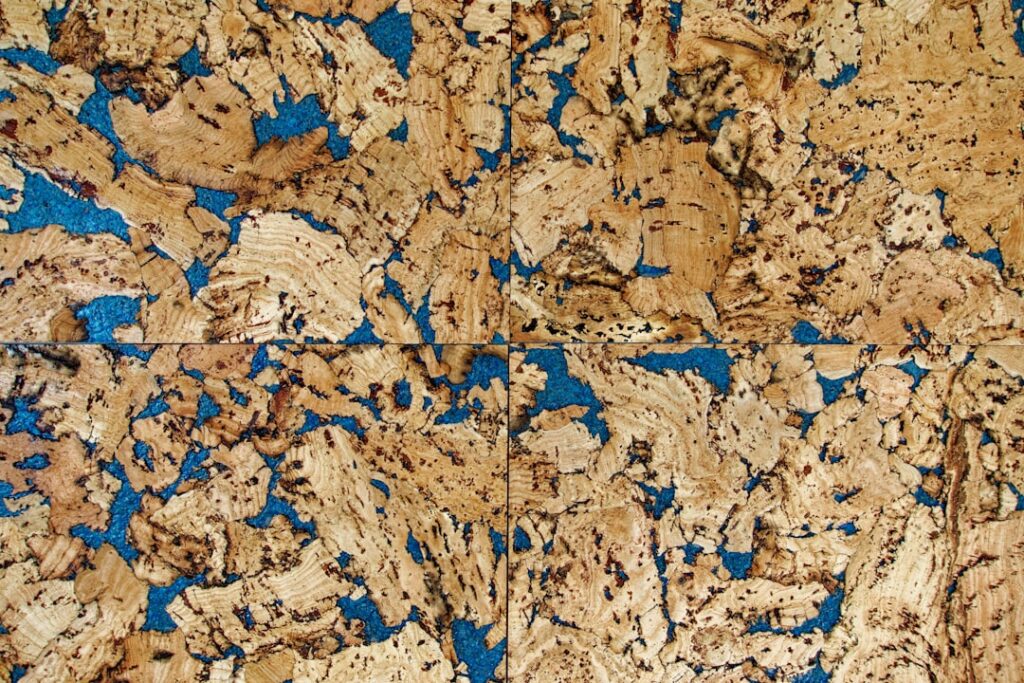
For flooring, raw cork is ground, mixed with binders, compressed, and cut into planks or tiles. Most modern Canadian cork product comes in two formats:
- Floating click-lock planks: Cork wear layer over an HDF core with cork underlayment
- Glue-down tiles: Solid cork tiles, typically 3/16 inch thick
The click-lock planks dominate residential sales because they install fast and tolerate Canadian subfloor conditions. Glue-down tiles are typically a commercial or designer choice.
Pricing Across Canadian Provinces
Cork flooring sits in the middle of the price range:
- Budget click-lock cork: $4-$6/sq ft material
- Premium click-lock with thicker wear layer: $7-$10/sq ft material
- Glue-down tiles: $5-$9/sq ft material
- Installation: Add $2-$4/sq ft for click-lock, $4-$7/sq ft for glue-down
For a 200 sq ft room in Toronto, expect $1,400-$2,800 installed for mid-range click-lock cork. Vancouver and Atlantic provinces typically run 10-20 percent higher due to shipping.
Brands Available in Canada
The leading cork flooring brands distributed across Canada:
- Wicanders (Amorim): The largest cork manufacturer globally, multiple lines
- Torlys: Canadian-based brand with strong dealer network coast to coast
- Sustain (Goodfellow Inc): Canadian distributor with eco-focus
- WE Cork: American brand with Canadian dealers
- Lisbon Cork: Premium designer-grade product
Torlys is the most widely available through Canadian flooring stores and offers strong warranties backed locally. Wicanders has the broadest visual range including realistic wood and stone-look cork product.
Pros That Make Cork Compelling
Cork delivers real advantages over hardwood and laminate:
- Warm underfoot: Cork’s natural insulation makes it noticeably warmer than wood, vinyl, or tile in Canadian winters.
- Sound absorbing: Built-in acoustic dampening reduces footfall noise. Excellent for condos.
- Comfortable to stand on: Slight give relieves joint stress for long kitchen prep sessions.
- Hypoallergenic: Naturally resists mold, mildew, dust mites, and bacteria.
- Renewable: Cork bark regrows; no trees are cut.
- Fire resistant: Cork chars rather than combusts, slowing fire spread.
- Subfloor forgiving: Click-lock cork hides minor irregularities in old plywood or concrete.
For a basement with cold concrete slab, cork is one of the more comfortable choices on the market. The combination of insulation and softness changes how the room feels in February.
Cons You Need to Know
The drawbacks are real and worth weighing:
- Indentation risk: Heavy furniture and high heels can leave permanent dents. Always use floor protectors.
- Sun fading: Direct sunlight fades cork over years, especially darker stains.
- Moisture sensitivity: Click-lock cork with HDF core swells if water sits on seams. Avoid for bathrooms unless using cork-rubber composite product.
- Limited finish options: Most cork is sold pre-finished with a few standard sealers.
- Variability in quality: Lower-grade cork from generic brands wears out fast.
- Refinishing limited: Most click-lock cork has a thin wear layer that does not sand and refinish.
The dent issue catches most buyers off guard. Cork compresses easily under concentrated point loads. A piano leg, a recliner caster, or stiletto heels can leave marks within weeks. Wide-base furniture pads are essential, not optional.
How Cork Performs in Canadian Climates
Cork generally handles Canadian conditions well, with caveats:
- Winter dryness: Indoor RH below 30 percent causes cork to shrink at seams. Run a humidifier.
- Summer humidity: RH above 65 percent can cause swelling. Run dehumidifiers in basements.
- Concrete slab moisture: Test before installing. Cork tolerates more moisture than hardwood but not unlimited.
- Radiant heat: Compatible with hydronic in-floor heat up to 27 degrees C surface temperature.
For seasonal cottages without climate control, cork is not the right choice. The seasonal humidity swings will gap the seams and warp the planks. Pick laminate or vinyl for unheated spaces.
Installation Methods
Two primary install methods:
- Click-lock floating: Snaps together over a foam or cork underlayment. DIY-friendly with basic tools.
- Glue-down tiles: Spread contact adhesive on substrate, position tiles, roll to bond. Requires careful subfloor prep and pro experience.
For DIYers, click-lock is the only practical option. Acclimate boxes for 48-72 hours, leave 1/4 inch expansion gaps at walls, and stagger end joints by at least 12 inches.
Maintenance Routine
Daily care is sweep or vacuum (no beater bar). Weekly damp mop with a pH-neutral cleaner like Bona Hardwood or a dedicated cork cleaner. Avoid steam mops, oil soaps, and harsh chemicals.
Most cork floors carry a polyurethane factory finish. Recoat with a compatible water-based urethane every 5-10 years to refresh stain and water resistance. Some natural-finish cork product needs annual application of cork-specific wax for maintenance.
Best Rooms for Cork in Canadian Homes
Cork suits these spaces particularly well:
- Bedrooms (warmth, sound absorption, comfort)
- Home offices (quiet, comfortable for long sit/stand sessions)
- Kitchens (with proper sealing and prompt spill cleanup)
- Basements (insulating, forgiving on concrete)
- Playrooms (soft enough for falls)
- Whole condo floors (acoustic benefit)
Skip cork for full bathrooms, mudrooms with constant wet boots, and rooms with massive south-facing window exposure unless you can manage the fade with shades or tints.
Frequently Asked Questions
Is cork flooring waterproof?
No. Cork is water-resistant for spills wiped up promptly but not waterproof. Standing water will swell the HDF core in click-lock products. Use vinyl or tile for full bathrooms.
How long does cork flooring last in Canada?
Quality cork lasts 25-40 years with proper care. Lower-grade product may need replacement at 10-15 years. The wear layer thickness drives lifespan more than any other factor.
Can cork flooring be refinished?
Solid cork tiles can be sanded and refinished. Most click-lock cork has a thin wear layer that cannot be sanded; you can only recoat it with new urethane.
Does cork flooring fade in sunlight?
Yes. Direct sunlight will fade cork over time, especially darker stained product. Use UV-blocking window film or sheers to slow the process in sunny rooms.
Is cork good for Canadian basements?
Generally yes. Cork insulates against the cold concrete slab, softens the surface, and tolerates the moderate moisture levels typical of finished basements. Test slab moisture before installing.
Prefer to explore on your own?
See how new flooring looks in your actual room in seconds — free, no signup.
Try the free Floor Studio →