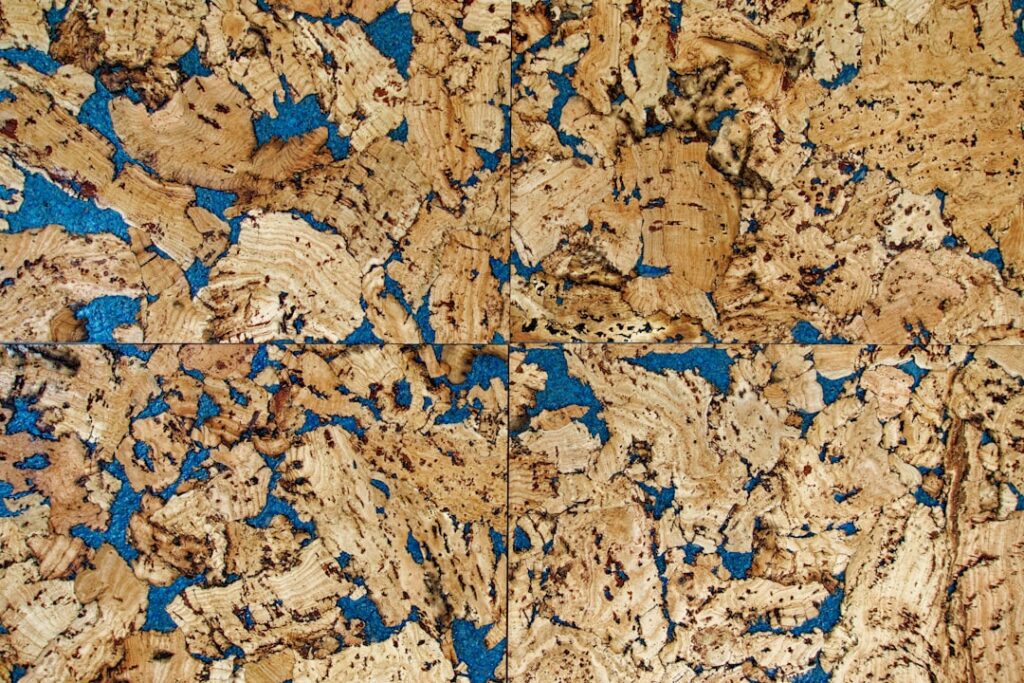
Stairs are the hardest-working, most accident-prone surface in any home, and they make demands no flat floor does: traction underfoot, quiet steps, and a tread that holds up to concentrated, repeated impact in exactly the same spots. Cork flooring for stairs brings real advantages to that challenge, soft, warm, grippy, and remarkably quiet, but it also raises specific questions about durability on treads, edge nosing, and how to install it so it lasts. This guide covers what cork does brilliantly on a staircase and where you need to be realistic.
- Why Cork Works Well on Stairs
- The Honest Truth About Durability on Treads
- The Nosing Challenge
- Glue-Down vs. Floating on Stairs
- Installation Considerations
- Maintenance and Longevity
- What It Costs
- Matching Cork Stairs to the Rest of the Floor
- Safety Features to Build In
- Is Cork Right for Your Stairs?
Why Cork Works Well on Stairs
Cork’s natural structure, millions of tiny air-filled cells, gives it a unique combination of qualities that suit stairs particularly well.
- Comfort: The cushioned surface is gentle underfoot and easier on joints than hard wood or tile, and softer if someone slips.
- Quiet: Cork absorbs sound and impact, dramatically reducing the thud and echo of footsteps on stairs, a major benefit in multi-level homes.
- Grip: The textured, slightly yielding surface offers better traction than glossy hardwood, an important safety factor on steps.
- Warmth: Cork is naturally warm to the touch, unlike cold tile or stone on a stairway.
The Honest Truth About Durability on Treads
Here is where realism matters. Stairs concentrate wear: people step on the same part of each tread, near the nosing, thousands of times, and cork is softer than oak or laminate. Over years of heavy traffic, that high-contact zone can compress, scuff, or wear faster than the rest of the staircase. Cork is durable for a soft material and recovers well from temporary indentations, but it is not the most wear-resistant choice for a very busy main staircase with kids, pets, and constant traffic. A quality factory finish or several coats of polyurethane on site significantly extends its life on treads.
The Nosing Challenge
Stair nosing, the rounded front edge of each tread, is the most exposed and vulnerable part of any stair covering, and cork is no exception. The thin, wrapped or applied edge takes the brunt of foot traffic and is where wear and damage show first. Cork stair installations need a proper nosing solution: either a matching cork bullnose, a wood or metal nosing strip that protects the front edge, or carefully wrapped material. Skimping on the nosing detail is the fastest way to a stair that looks worn at the edges within a few years. Discuss the nosing approach with your installer before committing.
Glue-Down vs. Floating on Stairs
Stairs should almost always use glue-down cork, not a floating click-lock system. Floating floors are not designed to be installed on stair treads and risers; they can shift, flex, and create a dangerous, unstable step. Glue-down cork tiles or sheets bonded with the manufacturer’s recommended adhesive create a solid, secure surface that stays put. This makes cork stair installation more labor-intensive and less of a DIY project than a floating floor on a flat room, treads, risers, and nosing each require careful cutting and bonding.
Installation Considerations
Beyond using glue-down product, stair installation demands precision. Each tread and riser must be measured and cut individually, the subfloor or existing treads must be clean, sound, and level, and the adhesive must be appropriate for vertical risers as well as horizontal treads. A proper, durable site finish, multiple coats of water-based polyurethane, seals the seams and protects the high-wear surface. Because of the cutting, fitting, and finishing involved, hiring an experienced installer is often worth it for a result that is both safe and long-lasting.
Maintenance and Longevity
Caring for cork stairs is straightforward but matters more than on a flat floor. Sweep or vacuum grit regularly, because abrasive dirt is cork’s enemy on high-traffic treads. Damp-mop sparingly with a cork-safe cleaner, and never let water stand. Place a runner or rug pad on the busiest stairs if you want to protect the highest-wear zone, this can dramatically extend the life of a main staircase. With a good finish and reasonable care, cork stairs can last many years, and the finish can be reapplied to refresh worn treads rather than replacing the material.
What It Costs
Cork material typically runs $3 to $8 per square foot, but stairs cost more to install than flat floors because of the labor-intensive cutting, fitting, and nosing work, often $10 to $20-plus per stair for professional installation, plus finishing. A full staircase can therefore add up quickly compared to a simple room. Factor in nosing materials and site-finishing coats. The investment buys quiet, comfort, and a warm, distinctive look that hard materials cannot match.
Matching Cork Stairs to the Rest of the Floor
Stairs rarely exist in isolation, so think about how the cork connects to adjacent flooring. If your upstairs and downstairs are also cork, matching or coordinating treads create a seamless, cohesive flow. If the stairs land on hardwood, tile, or LVP, you can either match the cork to those tones or use it as a deliberate contrast, with a transition strip at top and bottom. Many homeowners pair light cork treads with darker risers, or wrap the cork only on the treads while painting the risers, which both saves material and protects the most vulnerable surfaces. Plan these details before ordering so colors and transitions look intentional rather than improvised.
Safety Features to Build In
Because stairs are where falls happen, build safety into a cork installation from the start. Cork’s natural grip is a head start, but you can do more: add a contrasting nosing strip so the edge of each tread is clearly visible, which reduces missteps, especially for older household members. Consider anti-slip strips or a textured finish coat in homes with seniors or young children. Ensure the treads are uniform in depth and the nosing projection is consistent, since irregular steps cause trips regardless of material. A runner down the center adds both traction and wear protection. These small choices turn a comfortable cork stair into a genuinely safe one.
Is Cork Right for Your Stairs?
Cork flooring for stairs is an excellent choice if you prioritize quiet, comfort, warmth, and grip, and your staircase sees moderate rather than punishing traffic. Be realistic about wear on treads and especially the nosing, insist on glue-down installation and a robust protective finish, and consider a runner on the busiest steps. Choose quality material, get the nosing detail right, and have it installed by someone who has done stairs before, and you will have a uniquely comfortable, hushed staircase that feels as good as it looks.
Prefer to explore on your own?
See how new flooring looks in your actual room in seconds — free, no signup.
Try the free Floor Studio →