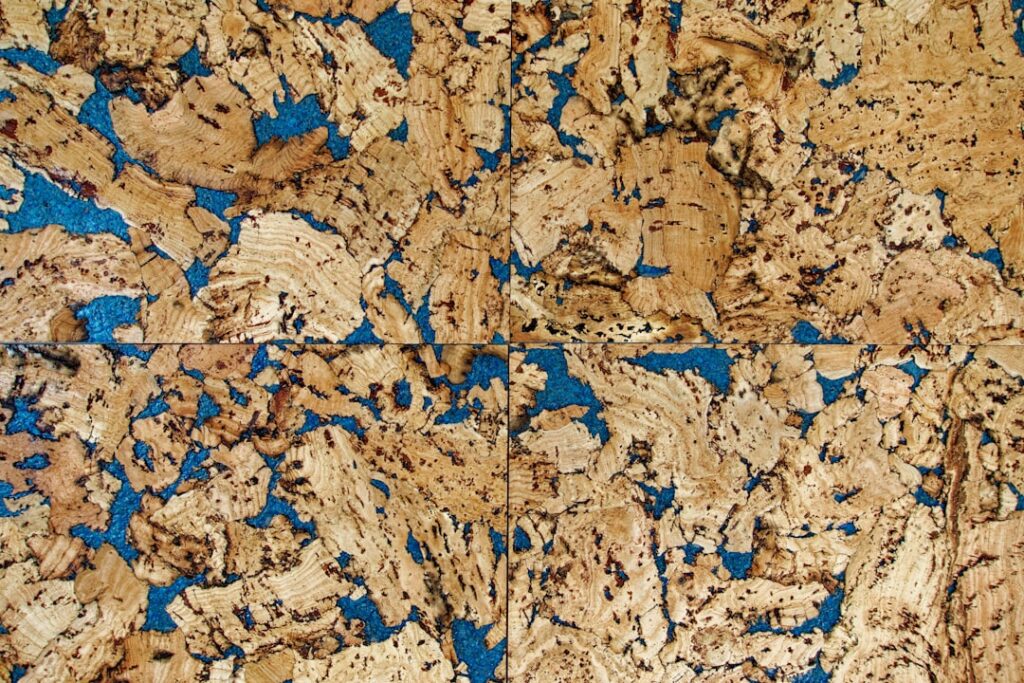
When you study cork flooring images online, you quickly notice how wildly the look can vary, from soft honey marbling to crisp wood-grain planks in nearly black. That visual range is cork’s secret weapon: it can read rustic and organic in one room and sleek and modern in another. This guide walks you through the colors, patterns, and styles you will see so you can picture cork in your own space and know exactly what to ask for at the showroom.
- The Classic Natural Look
- Marbled and Swirled Patterns
- Stained and Colored Cork
- Plank Versus Tile Formats
- Wood-Look and Patterned Cork
- How Light and Finish Change the Look
- Pros and Cons Behind the Pretty Pictures
- Choosing the Right Look for Your Room
- Reading Images Like a Pro
- Matching the Image to Real-World Performance
- The Bottom Line
The Classic Natural Look
The image most people associate with cork is the natural granular look — a warm, speckled blend of light tan, amber, and golden-brown flecks. This pattern comes from the cork granules being pressed and bonded, leaving a finely mottled surface that resembles a sandy or pebbled texture. It carries a cozy, earthy warmth that suits kitchens, home offices, and reading nooks.
Natural cork photographs as a busy but soft surface. The fine speckling hides crumbs, dust, and minor wear remarkably well, which is part of why it stays popular in high-traffic family spaces.
Marbled and Swirled Patterns
Look closely at premium cork images and you will spot a marbled or swirled grain, where lighter and darker tones flow together in organic ribbons. This effect comes from the way larger cork pieces are sliced and arranged rather than ground into uniform granules. The result feels more upscale and dynamic, almost like a natural stone in places.
Marbled cork works beautifully when you want movement and visual interest underfoot without committing to a bold color. It tends to suit transitional and contemporary interiors that blend warm and cool elements.
Stained and Colored Cork
Modern manufacturing has pushed cork far beyond its natural tan. Stained cork images show the material in espresso brown, charcoal gray, warm cherry, bleached white, and even muted greens and blues. These colors open cork up to design schemes where the natural honey tone would clash.
Common stained looks you will encounter include:
- Dark walnut and espresso for a rich, grounding floor in living rooms.
- Gray and greige for cool, modern, Scandinavian-leaning spaces.
- Whitewashed and bleached for airy, coastal, or minimalist rooms.
- Cherry and amber for traditional, warm interiors.
Plank Versus Tile Formats
One of the biggest differences between cork images comes down to format. Tile-format cork shows up as square or rectangular blocks with that classic speckled or marbled face, often laid in grids or running-bond patterns. It reads as distinctly “cork” and leans natural and casual.
Plank-format cork is the game changer. Printed and embossed plank cork can convincingly mimic oak, walnut, hickory, and other hardwoods, complete with realistic wood grain and beveled edges. In photos it can be hard to tell from real wood, yet it keeps cork’s softness and warmth underfoot. If your inspiration images look like wood floors but are labeled cork, you are looking at this plank style.
Wood-Look and Patterned Cork
Beyond simple planks, manufacturers print cork to resemble reclaimed barn wood, herringbone layouts, and even concrete and stone. These engineered cork products use a printed photographic layer over a cork core, giving you a trendy surface with cork’s comfort and acoustic benefits. When browsing images, check the product description, because a “stone-look” floor that is surprisingly warm and quiet is often cork underneath.
How Light and Finish Change the Look
Two photos of the same cork can look completely different depending on finish and lighting. A matte finish reads soft and natural, hiding scuffs and giving a contemporary feel. A glossier sealed finish looks richer and more saturated but shows footprints and scratches more readily. Natural daylight brings out cork’s warm undertones, while cool LED lighting can flatten them toward gray.
When you find an image you love, ask the supplier for the exact product, finish sheen, and a physical sample. Bring that sample home and view it in your own light at different times of day before committing.
Pros and Cons Behind the Pretty Pictures
Cork’s looks are only half the story. The visual appeal comes packaged with real performance traits:
- Pro: Warm, soft, and quiet underfoot — comfort you can feel, not just see.
- Pro: Naturally resists mold, mildew, and allergens.
- Pro: Sustainable, harvested from bark without killing the tree.
- Con: Can dent under heavy furniture and fade in strong direct sunlight.
- Con: Needs periodic resealing in moisture-prone rooms.
Choosing the Right Look for Your Room
Match the visual to the space. Natural speckled cork shines in casual, busy areas where it hides wear. Marbled and stained cork elevates living and dining rooms. Wood-look plank cork is ideal when you want hardwood style with extra comfort, such as in bedrooms or a home office where you stand a lot.
Reading Images Like a Pro
Online photos can mislead, so train your eye when browsing inspiration. Beware of heavily styled showroom shots with dramatic lighting that exaggerates contrast and color. Look instead for images shot in natural daylight, ideally in real homes, which show how the floor actually reads day to day. Pay attention to scale, too — a pattern that looks subtle in a small swatch can feel busy across a whole room.
When you collect favorites, note the product names and finishes attached to each image. That information lets you request the exact product and avoid the disappointment of buying something that only resembled your inspiration photo at a glance.
Matching the Image to Real-World Performance
The most beautiful cork image still has to function in your home. Before committing to a look, confirm the product’s wear layer, finish type, and whether it is glue-down tile or floating plank. A stunning glossy floor in a photo may show every scuff in a busy household, while a matte finish hides wear but reads slightly less rich. Sun-drenched rooms will fade darker stained cork over time, so factor your light exposure into the color you choose.
Always order a physical sample of any image you love and live with it for a few days in your own lighting. The floor that photographs perfectly online should also feel right underfoot and look right in your space.
The Bottom Line
The variety in cork flooring images reflects a genuinely versatile material that ranges from rustic and speckled to sleek wood-look planks in any color you can imagine. Decide on the mood you want, narrow down to natural, marbled, stained, or printed plank, then confirm the look with a real sample in your own lighting. Cork rewards the homeowner who shops with their eyes and their feet.
Prefer to explore on your own?
See how new flooring looks in your actual room in seconds — free, no signup.
Try the free Floor Studio →