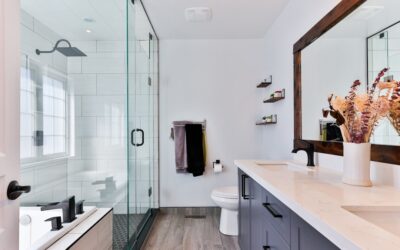
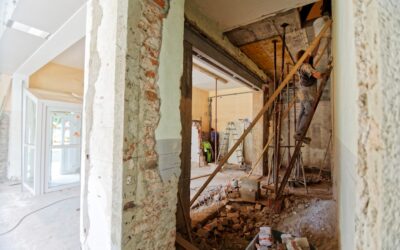
A small bathroom sounds like it should be a small bill, but the tight quarters can actually drive the price per square foot higher than a large remodel. The cost to remodel small bathroom with shower typically lands between $6,000 and $18,000, with most homeowners spending around $10,000 to $12,000 for a solid mid-range renovation. The wide range comes down to your finishes, whether you move plumbing, and how much of the labor you take on yourself. Understanding where every dollar goes is the key to setting a realistic budget.
Part of our Bathroom Remodeling & Flooring guide — explore the full guide →
The Big Picture: What Drives the Price
Three factors do most of the damage to your budget. First is whether you keep the existing layout or relocate fixtures; moving the shower, toilet, or vanity means rerouting supply and drain lines, which adds thousands. Second is the finish level, since a builder-grade acrylic shower surround costs a tenth of a custom tiled walk-in. Third is labor, which typically eats 40 to 65 percent of any bathroom remodel because so many trades are involved: plumbing, electrical, tile, and carpentry.
Small bathrooms carry a hidden premium. Tradespeople work slower in cramped spaces, tile cuts around fixtures multiply in a tight footprint, and there is little room for two workers at once. That is why a 40-square-foot bathroom can cost nearly as much to renovate as one twice its size.
Line-Item Cost Breakdown
Breaking the project into pieces makes the total far less intimidating. Here is what the major components typically run for a small bathroom in the 35- to 50-square-foot range:
- Demolition and disposal: $500 to $1,500
- Shower (acrylic surround): $1,200 to $3,500 installed
- Shower (custom tiled walk-in): $3,500 to $8,000 installed
- Toilet: $250 to $800 installed
- Vanity and sink: $600 to $2,500
- Flooring (tile or luxury vinyl): $600 to $2,000
- Plumbing rough-in and fixtures: $1,000 to $4,000
- Electrical (lighting, GFCI, fan): $500 to $1,800
- Paint and finishing: $300 to $800
Add those up and a modest refresh lands near $6,000 while a fully tiled, fixture-relocated remodel climbs past $16,000. The shower alone is usually the single biggest variable.
Budget, Mid-Range, and High-End Tiers
It helps to picture three realistic versions of the same project. A budget remodel around $6,000 to $8,000 keeps the existing layout, installs a prefab acrylic shower, a stock vanity, luxury vinyl plank flooring, and a standard toilet, with the homeowner handling paint and demo. A mid-range job at $10,000 to $13,000 adds a tiled shower, a semi-custom vanity, porcelain tile floor, upgraded fixtures, and new lighting.
The high-end version, $15,000 to $18,000 and up, features a fully custom curbless tiled walk-in shower with a glass panel, heated floor tile, a floating vanity with a stone top, designer fixtures in finishes like matte black or brushed brass, and often relocated plumbing to improve the layout. Each tier roughly doubles the finish quality, and the shower is where the money concentrates.
Where the Shower Money Goes
Since the shower dominates the cost to remodel small bathroom with shower, it deserves a closer look. A one-piece acrylic or fiberglass surround is the value champion at $1,200 to $3,500 installed, easy to clean and quick to fit. A tiled shower costs far more because it is labor-intensive: waterproofing membrane, a mortar bed or foam pan, backer board, and then the tile itself, all installed by hand.
Within tiled showers, the choices add up fast. A basic subway tile runs $1 to $5 per square foot for material, while natural stone or large-format porcelain climbs to $8 to $25. Add a glass door ($500 to $1,500), a niche ($150 to $400), a bench, and a linear drain, and a compact tiled shower easily reaches $5,000 to $8,000. Going curbless for accessibility adds even more because the floor must be recessed and sloped precisely.
Ways to Save Without Cutting Corners
You can trim thousands with smart choices that do not show in the finished room. The biggest lever is keeping your existing layout, because every fixture you leave in place saves plumbing relocation costs.
- Keep plumbing where it is: Reusing existing drain and supply locations can save $1,000 to $3,000.
- Choose luxury vinyl plank over tile flooring: Waterproof, warmer underfoot, and roughly half the installed cost.
- Use a prefab shower base with tiled walls: A hybrid that cuts pan labor while keeping the tiled look.
- Do your own demo and painting: These require no license and can save $800 to $2,000 in labor.
- Refinish rather than replace: Reglazing a sound tub or tile can defer a full tear-out.
Splurge where you touch things daily, the shower valve, the faucet, and the door hardware, and economize on items nobody notices, like the supply lines and the sub-floor.
Timeline and Permits
A small bathroom remodel usually takes two to four weeks from demo to final caulk, with much of that being cure and dry time for waterproofing, mortar, and grout rather than active work. Delays creep in when custom materials are back-ordered or when hidden problems, like rotted subfloor or old galvanized pipe, surface during demolition. Budget a 10 to 15 percent contingency for exactly those surprises.
Permits matter more than many DIYers assume. Most jurisdictions require permits for plumbing and electrical changes, and inspections protect you at resale. Expect $100 to $500 in permit fees, which are a small price against the cost of tearing out unpermitted work later. A licensed contractor typically pulls the permits as part of the job.
DIY Versus Hiring a Contractor
How much labor you take on is one of the largest levers on the final bill. A full DIY remodel, where you handle demo, tile, vanity install, and painting yourself, can cut the total nearly in half, since labor makes up so much of the cost. But bathrooms are unforgiving; a poorly waterproofed shower or a botched drain connection leads to hidden leaks, rot, and mold that cost far more to fix than you saved.
A sensible middle path is to DIY the parts that carry low risk and hire out the rest. Demolition, painting, and installing a prefab vanity are within reach of most homeowners. Plumbing rough-in, shower waterproofing, and electrical work are where professionals earn their fee and where mistakes get expensive. Many people save the most by acting as their own general contractor, hiring individual trades directly and coordinating the schedule, which trims the 10 to 20 percent markup a GC adds while keeping skilled hands on the critical work.
Hidden Costs That Blow Budgets
The surprises that wreck a bathroom budget almost always hide inside the walls and under the floor. Once demolition starts, it is common to uncover problems that were invisible during planning:
- Water damage and rot: Soft subfloor or joists around an old shower or toilet can add $500 to $2,500 to repair.
- Outdated plumbing: Old galvanized or polybutylene pipe often needs replacing once exposed, adding $500 to $2,000.
- Electrical upgrades: Bringing outlets up to code with GFCI protection and adding a proper exhaust fan can run $300 to $1,500.
- Mold remediation: Hidden mold behind tile can add $500 to $4,000 depending on extent.
This is exactly why a 15 percent contingency is not optional. Set that money aside before you start, and treat it as spent, so an unwelcome discovery mid-project does not force you to cut corners on the finishes you were most excited about.
Planning Your Budget
The cost to remodel small bathroom with shower is best approached line by line, because the headline range of $6,000 to $18,000 hides enormous choice. Decide first whether you can live with your current layout, then pick a shower type, since those two decisions steer most of the total. Keep a 15 percent contingency, invest in the fixtures you use every day, and save on the hidden components. Plan it well and even a tight bathroom can be transformed into a fresh, functional space without blowing past your budget.