If you handed a contractor a board of cumaru and a board of red oak, the cumaru would be roughly three times harder, six times denser at impact, and probably eat through their carbide blade by the third cut. Cumaru flooring is the dark horse of exotic hardwoods — it performs almost identically to ipe but typically costs 30 to 45% less. This guide covers what it is, where it works, where it fails, and what to expect on the install day so the floor still looks tight in 25 years.
What Cumaru Actually Is
Cumaru, often sold as Brazilian teak, comes from the Dipteryx odorata tree native to the Amazon basin. It is not actually teak; the trade name stuck because the color and oil content remind buyers of teak. The wood ranges from medium tan to a deep reddish brown, often with subtle interlocked grain that creates a chatoyant shimmer in low light.
The headline number is hardness. Cumaru flooring lands at 3,540 on the Janka scale. Red oak is 1,290. Hard maple is 1,450. Brazilian cherry is 2,820. Only ipe (3,684) and a handful of other Amazonian woods sit above it among readily available species.
Pros That Make It Worth Considering
Hardness is just the start. Cumaru’s natural oils make it Class A fire-rated, naturally rot-resistant, and termite-proof without chemical treatment. The same oils that protect outdoor decks also mean indoor cumaru flooring shrugs off pet claws, dropped pots, and rolling office chairs without denting.
- Janka 3,540 — among the hardest commercially available flooring species
- 25 to 50 year lifespan indoors with normal homeowner care
- Class A fire rating without added retardants
- Naturally rot and termite resistant — works in basements when properly acclimated
- Stable color after the first 60 days of UV exposure
- 30 to 45% cheaper than ipe for nearly identical performance
Cons You Need to Know Before Buying
The same density that makes cumaru bombproof in service makes it a nightmare to install. Standard nails bend on impact. You need pre-drilled boards or a pneumatic flooring nailer running 18-gauge cleats at 100+ psi, and even then the cleats often need adjusting per board. Plan for 25 to 40% slower install than oak.
Cumaru is also moisture-sensitive in a particular way. It moves less than oak across humidity swings, but when it does move, the energy is enormous and it can lift fasteners or shear glue lines. Acclimate boxes 14 to 21 days in the install space, not the manufacturer-recommended 7. Skipping that step is the number one cause of post-install gapping.
Other downsides: the dust is irritating to some installers (wear N95 masks), finishing is finicky because the natural oils inhibit some water-based polyurethanes, and the deep brown tone can read heavy in a small or low-light room.
Real Costs in 2026
Cumaru is harder to source than it was in 2018, but legitimate FSC-certified inventory is back. Pricing varies by grade, width, and whether you buy unfinished or prefinished.
- Unfinished solid 3/4 in x 3 1/4 in clear grade: $5.50 to $7.20 per sq ft
- Unfinished solid 3/4 in x 5 in clear grade: $6.50 to $8.50 per sq ft
- Prefinished solid 3 1/4 in to 5 in: $6.80 to $9.50 per sq ft
- Engineered 5/8 in x 5 in (3 to 4 mm wear layer): $7.50 to $11.50 per sq ft
- Wide plank 6 to 7 in solid clear: $9 to $13 per sq ft
Add $4 to $7 per sq ft for installation. Total project costs for solid prefinished 4-inch cumaru typically land between $11 and $14 per sq ft installed in 2026.
Where Cumaru Flooring Works Best
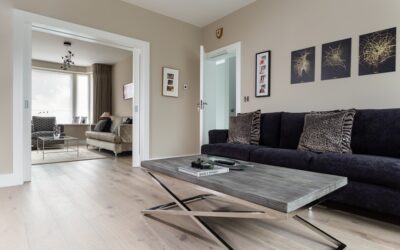
This wood thrives in high-traffic zones. Entryways, hallways, kitchens (with proper finish), and great rooms in active households are the natural fit. The dark tone pairs beautifully with white kitchens, light walls, and warm metals like brass or copper.
Cumaru also works in sunrooms and screened porches if you treat it like an outdoor product — pre-finish with a UV-stabilized oil, gap the install slightly wider, and accept the natural silvering if untreated. For full outdoor decks, choose the deck-specific cumaru product with end-sealed boards rather than flooring stock.
Where to Avoid It
Skip cumaru flooring in three scenarios. First, basements with concrete moisture readings above 4 lbs MVER on a calcium chloride test — even cumaru fails over wet concrete. Second, homes with extreme indoor humidity swings (Phoenix winters at 12% RH versus monsoon at 60%) where engineered cumaru is a smarter choice than solid. Third, narrow rooms under 10 feet wide where the dark tone and busy figure can feel oppressive.
Finish Options and Recommendations
Cumaru’s natural oils interfere with certain finishes. Use a sealer designed for oily exotics. Bona NaturalSeal or Loba 2K Supra AT both work, as does the Vermeister oil hardwax line for a low-sheen natural look.
Avoid budget water-based polys without a tinted sealer; they tend to dry blotchy on cumaru. If you go prefinished, look for aluminum-oxide top coats from manufacturers like Indusparquet, IndusParquet’s Triangulo line, or BR111 — these have been refining their cumaru recipes for 20+ years.
Install Best Practices
Even an experienced flooring crew should slow down on cumaru. The four moves that separate clean jobs from callbacks.
- Acclimate flat-stacked in the install space for 14 to 21 days, climate at 60 to 75°F and 35 to 55% RH
- Pre-drill end nailing within 2 inches of board ends to prevent splits
- Use 1 3/4 to 2 inch cleats and a high-pressure nailer (Primatech P51 or Bostitch MIIIFN) at 100 to 110 psi
- Run a urethane adhesive (Bostik BEST or Sika MultiBond) as a glue-assist over plywood for installs over 4-inch wide planks
- Leave 3/4 inch perimeter expansion on rooms over 800 sq ft
Long-Term Care
Cumaru wants very little maintenance. Sweep regularly, damp-mop with a pH-neutral cleaner like Bona Hardwood Cleaner, and recoat every 8 to 12 years rather than full-sand. Solid cumaru can be sanded 4 to 6 times across its life if needed, but you usually do not need to. UV exposure deepens the color over the first 60 days and stabilizes; rotate area rugs in the first six months to keep the patina even.
Prefer to explore on your own?
See how new flooring looks in your actual room in seconds — free, no signup.
Try the free Floor Studio →