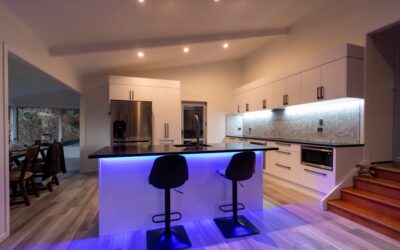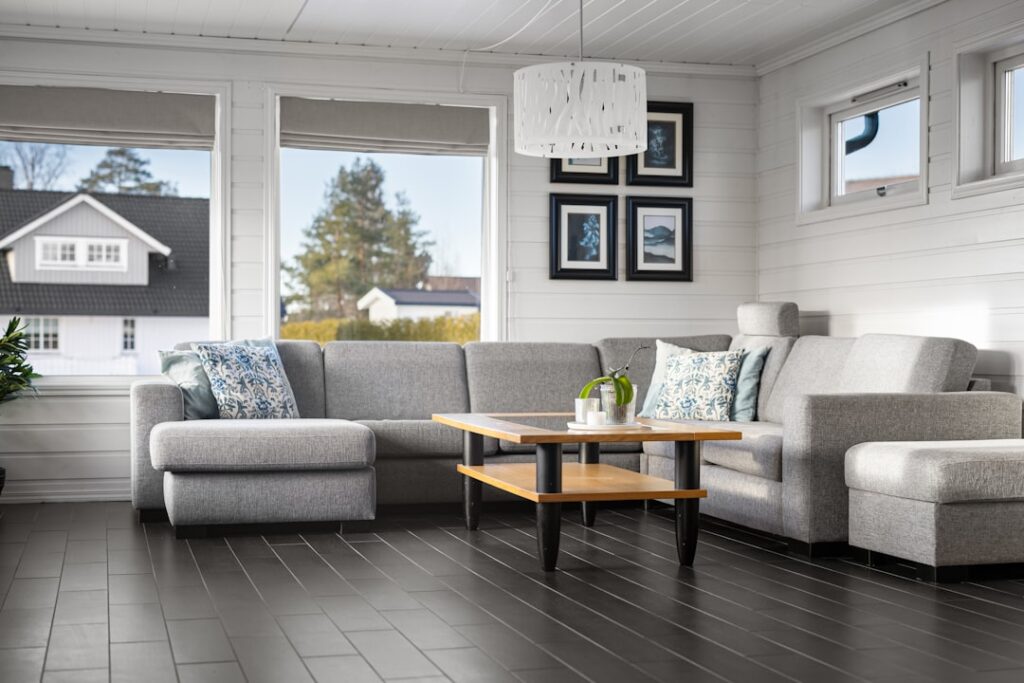
Walk on a 1990s kitchen floor and the surface gives slightly underfoot — that springy, slightly muted feel is cushioned vinyl, and the technology has come a long way from the 0.080-inch curling-edge sheet that defined the category 30 years ago. Cushioned vinyl today covers a range of products with foamed or felt-backed cores that combine the waterproof performance of vinyl with the softer underfoot feel of carpet or cork, often at prices below either alternative. The category includes cushioned sheet vinyl, fibreglass-backed roll vinyl, WPC plank flooring, and acoustic-backed glue-down LVT. Knowing which one fits your room — and your subfloor — is the difference between a comfortable, quiet floor and a $1,500 mistake.
What “Cushioned” Actually Means
Cushioning in vinyl flooring comes from one of three constructions. Foam-backed sheet vinyl bonds the wear layer to a foamed PVC layer 1mm to 4mm thick. WPC plank flooring uses a foamed wood-polymer composite core inside the plank itself. Acoustic-backed LVT adds a 1mm to 2mm closed-cell foam layer to the underside of glue-down planks.
All three reduce footfall noise, soften impact on heels and joints, and add some thermal insulation. The trade-offs vary: foam-backed sheet is cheap but susceptible to indentation, WPC plank is comfortable but more expensive, acoustic LVT is quietest but requires glue-down install.
The Cushioned Vinyl Categories
- Cushioned sheet vinyl: 6, 9, 12, or 15-foot rolls with felt or foam backing. $1.50 to $4 per sq ft. Best for bathrooms, laundries, rentals.
- Fibreglass-backed sheet vinyl: Loose-lay or perimeter-bonded, dimensionally stable. $2.50 to $5 per sq ft.
- WPC click plank: Foamed core, 6mm to 8mm thick, click installation. $3 to $7 per sq ft.
- Acoustic-backed LVT: Glue-down planks with foam underside. $5 to $9 per sq ft.
Where Cushioned Vinyl Wins
Comfort is the headline benefit. Standing on cushioned vinyl in a kitchen for an hour producing dinner is genuinely easier on knees and lower back than standing on porcelain tile or polished concrete. The give absorbs impact rather than transmitting it through joints.
Acoustic performance is the second win. Footfall noise drops 6 to 18 dB compared with rigid LVP or laminate, depending on cushion thickness. For apartments with noise-sensitive neighbours below, this is a major selling point.
Warmth is the third. Foamed cores transfer less cold from concrete slabs, making basement and ground-floor installs noticeably more comfortable in winter without underfloor heating.
Honest Cons
Indentation resistance is the major weakness. Heavy furniture legs, refrigerators, and rolling office chairs all leave permanent marks in cushioned sheet vinyl over time. Some products specify static load limits as low as 250 lbs per leg — meaning a piano or a large kitchen island base can permanently dent the floor.
Telegraphing of subfloor imperfections is more pronounced than with rigid LVP. Sheet vinyl in particular shows every screw head, seam, and trowel ridge if the substrate is not properly prepared.
Repair is harder. A torn or burned section of cushioned sheet vinyl typically requires replacing the whole sheet — there is no cutting in a small patch invisibly. Plank products allow individual board replacement but the click joints can damage on removal.
Pricing in 2026
For a 250 sq ft kitchen install, typical budgets:
- Mid-range cushioned sheet vinyl ($2.50/sq ft material, $2 install): $1,125
- WPC click plank ($5/sq ft material, $2.50 install): $1,875
- Acoustic-backed glue-down LVT ($7/sq ft material, $5 install): $3,000
For a full basement at 800 sq ft, plan on $2,800 to $5,000 for a quality WPC click product installed.
Installation Methods
Cushioned sheet vinyl: roll out, trim to walls with 5 to 10mm clearance, fold back half the sheet, apply adhesive (usually a pressure-sensitive acrylic) with a notched trowel, lay back into adhesive, repeat for the other half. Roll with a 75 to 100 lb roller within 30 minutes.
Fibreglass-backed sheet: can be loose-laid in rooms under 200 sq ft, perimeter-bonded with double-sided tape on larger areas, or fully glued for highest-traffic installs.
WPC click plank: installs as floating floor over flat substrate, 10mm expansion gaps, no adhesive required.
Acoustic-backed LVT: glue-down with manufacturer-specified pressure-sensitive or hard-set adhesive, rolled within open time.
Subfloor Prep — Critical for Cushioned Products
Sheet vinyl will telegraph any imperfection larger than 1/16-inch within months. Prepare substrates flat to 1/8-inch in 6 feet for sheet products. Self-levelling compound over a primed concrete slab, or 5.5mm to 6mm plywood overlay over old subfloors, are the standard approaches.
For WPC click plank, the tolerance is 3/16-inch in 10 feet — more forgiving but still meaningful.
Skip prep and you will see telegraphing within 6 to 12 months as foot traffic compresses the cushion against substrate ridges.
Maintenance Notes
Sweep or vacuum weekly with a hard-floor head, no beater bar. Damp-mop with a neutral pH cleaner like Bona for Stone, Tile and Laminate or Armstrong Hardwood and Laminate Cleaner. Avoid abrasive scrub pads, steam mops above 200 °F, and high-pH cleaners that degrade the wear layer.
Use felt pads under all furniture legs. Coasters or load-distributing pads under refrigerators and heavy appliances. Walk-off mats at exterior doors to capture grit before it abrades the surface.
Common Mistakes
- Choosing cushioned sheet for high-static-load rooms (kitchens with heavy islands)
- Installing over uneven slab without levelling — telegraphing follows
- Using vinegar-based cleaners — degrades wear layer
- Skipping perimeter expansion gaps on click WPC
- Buying cheap fibreglass-backed product for high-traffic areas
Best Picks by Room
Bathroom: cushioned sheet vinyl with caulked perimeter, or fibreglass-backed with welded seams.
Kitchen: WPC click plank for comfort and waterproofing, or acoustic-backed glue-down LVT for premium projects.
Basement: WPC click plank over a 6-mil polyethylene vapour barrier — the cushion adds welcome warmth.
Apartment / condo: acoustic-backed LVT meets most building underlayment requirements without adding extra products.
Laundry / mudroom: fibreglass-backed sheet vinyl with sealed seams, indestructible under wet boots and washer vibration.
Bottom Line
Cushioned vinyl earns its place when comfort, sound reduction, or warmth matter more than maximum indentation resistance. Match the construction to the room — sheet for wet zones, WPC for living areas, acoustic LVT for sound-sensitive condos — and prep the substrate to the manufacturer’s flatness spec. Done right, the floor delivers a softer, quieter, warmer surface than rigid LVP or tile at a price that often comes in lower than either.
Prefer to explore on your own?
See how new flooring looks in your actual room in seconds — free, no signup.
Try the free Floor Studio →