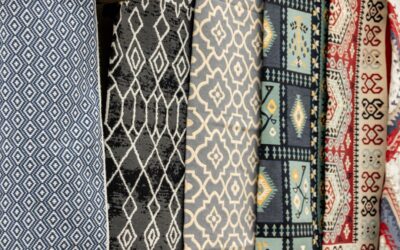
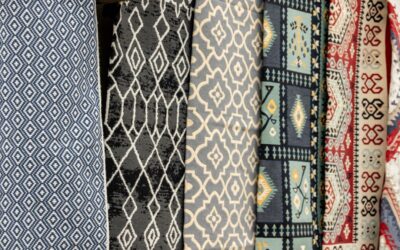
Custom carpet gives you control over every detail — color, pattern, material, size, shape, and texture. Instead of settling for whatever rolls are in stock at the local flooring store, you design a carpet that fits your space perfectly and reflects your personal style exactly. Whether you need a wall-to-wall installation in an unusual room shape or a statement area rug that ties your design scheme together, custom carpet delivers what off-the-shelf products cannot.
This guide walks you through the custom carpet process from initial design decisions through ordering, installation, and care.
Why Choose Custom Carpet
Standard carpet flooring comes in fixed widths (typically 12 or 15 feet), predetermined patterns, and limited color options. For many rooms and design visions, these constraints work fine. But certain situations demand a custom approach.
Unusual Room Shapes and Sizes
Rooms with curves, angles, alcoves, or non-standard dimensions create wasteful seaming with standard carpet rolls. Custom carpet can be manufactured to exact room specifications, eliminating awkward seams and reducing material waste.
Specific Design Requirements
Interior designers and homeowners with precise color schemes need carpet that matches their vision exactly. Custom carpet allows you to specify Pantone colors, create original patterns, incorporate logos or monograms, and coordinate precisely with existing fabrics, paint colors, and furnishings.
Stair Runners and Hallway Runners
Custom runners sized to your exact staircase width and length provide a tailored look that pre-made runners cannot match. Custom borders, binding, and pattern placement ensure the design flows seamlessly from landing to landing.
Hospitality and Commercial Spaces
Hotels, restaurants, corporate offices, and retail stores use custom carpet to reinforce brand identity, create memorable environments, and differentiate their spaces from competitors. Custom patterns can incorporate brand colors, logos, and thematic elements.
Custom Carpet Materials
Wool
Wool is the premium material for custom carpet. It is naturally stain-resistant, flame-retardant, resilient, and beautiful. Wool fibers spring back after compression, maintaining the carpet’s appearance even in high-traffic areas. Wool accepts dyes exceptionally well, producing rich, deep colors with excellent colorfastness.
Custom wool carpet costs $15 to $50 per square foot depending on pile density, construction method, and design complexity. Despite the higher price, wool’s longevity, appearance retention, and luxurious feel make it the preferred choice for high-end residential and hospitality installations.
Nylon
Nylon is the most durable synthetic carpet fiber and the best choice for custom carpet in high-traffic residential and commercial applications. Solution-dyed nylon offers permanent color that resists fading from sunlight and cleaning chemicals.
Custom nylon carpet costs $8 to $25 per square foot and provides excellent value for applications where durability matters more than the natural feel of wool. Nylon cleans easily, resists crushing, and holds patterns crisply.
Silk
Silk creates the most luxurious custom carpets and rugs. Its natural luster, incredible softness, and ability to hold intricate fine-line patterns make silk the material of choice for formal living rooms, master bedrooms, and statement area rugs.
Silk carpet is delicate and expensive, typically $30 to $100 per square foot for custom designs. It is not suitable for high-traffic areas, children’s rooms, or homes with pets. Reserve silk for low-traffic spaces where its beauty can be fully appreciated.
Blends
Wool-nylon blends (typically 80/20) combine wool’s luxurious appearance with nylon’s durability. This blend is the most popular material for custom residential carpet, offering a practical balance of beauty and performance at a moderate price point of $12 to $30 per square foot.
Construction Methods
Tufted
Tufting is the most common and cost-effective custom carpet construction method. Yarn is punched through a backing material by needles, creating loop pile, cut pile, or combination textures. Tufted construction allows for multicolor patterns, varied pile heights, and a wide range of textures.
Custom tufting uses computer-controlled machines that reproduce digital designs with precision. Lead times for custom tufted carpet typically range from 4 to 8 weeks depending on complexity and manufacturer capacity.
Woven
Woven carpet (Axminster and Wilton weaves) integrates face yarn and backing simultaneously on a loom. This creates a denser, more durable product than tufting with superior pattern clarity. Woven carpet is the traditional method for premium custom installations.
Axminster weaving produces intricate multicolor patterns with unlimited color combinations. Wilton weaving creates tighter, denser constructions ideal for commercial applications. Custom woven carpet costs more and has longer lead times (8 to 16 weeks) than tufted products.
Hand-Knotted
Hand-knotted carpet represents the pinnacle of custom carpet craftsmanship. Skilled artisans tie individual knots around warp threads, creating carpets of extraordinary density, detail, and durability. A single hand-knotted rug can take months or years to complete.
Hand-knotted custom rugs cost $50 to $300 per square foot or more, depending on knot density, material, and origin. These are heirloom pieces that increase in value over time and last for generations with proper care.
Hand-Tufted
Hand-tufting uses a manual tufting gun to punch yarn into a canvas backing, combining the artisan touch of handwork with faster production than hand-knotting. Hand-tufted rugs cost less than hand-knotted pieces while offering custom shapes, sizes, and designs at $20 to $80 per square foot.
Design Process
Working with a Designer
Many custom carpet manufacturers employ in-house designers who help translate your vision into a producible design. Provide inspiration images, color swatches, room photos, and dimensional drawings. The designer creates renderings for your approval before manufacturing begins.
Color Selection
Custom carpet offers virtually unlimited color options. You can match specific Pantone references, coordinate with fabric swatches, or create original color combinations. Manufacturers provide strike-off samples (small produced samples) for color approval before running the full order.
Always review strike-off samples in your actual space under both natural and artificial lighting. Colors appear dramatically different under showroom fluorescents than they do in your living room. Request samples large enough to evaluate the pattern repeat and color interaction.
Pattern and Texture
Custom patterns range from simple solids and tone-on-tone textures to elaborate geometric designs, florals, and abstract compositions. Pattern scale should relate to room size — small patterns work in small rooms, while large patterns need large spaces to read correctly.
Texture adds dimension beyond flat pattern. Combining cut and loop pile heights creates sculptured effects that catch light and shadow differently throughout the day. High-low pile textures add visual depth and tactile interest to solid-color carpets.
Size and Shape
Custom carpet can be produced in any size and shape. Round, oval, hexagonal, and organic freeform shapes are all possible. For wall-to-wall installations, precise room measurements ensure a perfect fit without the waste and seaming issues of standard-width rolls.
Custom Carpet Costs
Total custom carpet costs depend on material, construction method, design complexity, and size. Budget options start around $8 to $15 per square foot for simple custom-colored tufted nylon. Mid-range custom carpet in wool or wool-nylon blends runs $15 to $35 per square foot. Premium custom products in woven wool, silk, or hand-tufted construction reach $35 to $100 per square foot or more.
Add installation costs of $3 to $8 per square foot for wall-to-wall carpet, including padding, tackless strips, and labor. Custom area rugs require edge binding or serging at $3 to $10 per linear foot.
Ordering and Lead Times
Custom carpet is made to order, so lead times are significantly longer than stock products. Plan for 4 to 6 weeks for simple custom colors in standard constructions, 6 to 12 weeks for custom patterns and complex designs, and 12 to 24 weeks for hand-knotted or imported products.
Order 10 to 15 percent extra material for waste, pattern matching, and future repairs. Custom carpet cannot be reordered quickly, so having spare material for patching avoids long waits if damage occurs.
Installation Considerations
Custom carpet installation requires experienced professionals who understand pattern matching, seam placement, and working with premium materials. Do not attempt DIY installation on expensive custom carpet — errors are costly and often irreparable.
Discuss seam placement with your installer before delivery. Seams should fall in low-traffic areas and align with pattern repeats for invisible joins. In rooms requiring seams, the installer may need to plan the layout to ensure pattern continuity across the seam.
Care and Maintenance
Vacuum custom carpet regularly using a vacuum appropriate for the pile type. Wool and silk carpets benefit from vacuums with adjustable suction and gentle brush rolls. Avoid beater-bar vacuums on loop pile and delicate fibers.
Professional cleaning every 12 to 18 months preserves appearance and extends carpet life. Choose cleaners experienced with the specific fiber type in your carpet. Wool and silk require different cleaning agents than nylon and polyester.
Address spills immediately by blotting — never rubbing — with a clean white cloth. Apply manufacturer-recommended spot cleaners and test in an inconspicuous area first. Some custom dye processes may be sensitive to certain chemicals.
Final Thoughts
Custom carpet transforms your floor into a design element as intentional and personal as your wall color, furniture, and artwork. While it costs more and takes longer than standard carpet, the result is a floor covering that fits your space perfectly, matches your aesthetic exactly, and delivers a level of quality and exclusivity that mass-produced products cannot approach. Start the design process early, work with experienced manufacturers and installers, and invest in the material quality that your project deserves.