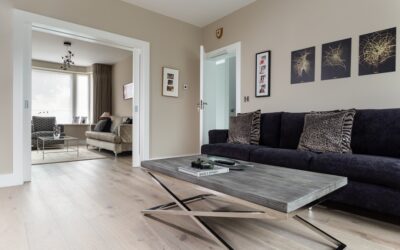
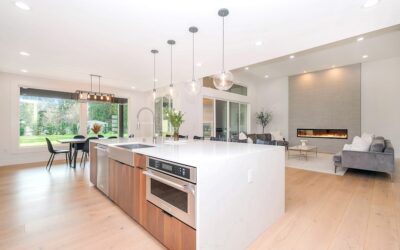
Laminate has shed its dated reputation, and today’s products convincingly mimic marble, granite, butcher block, and concrete at a fraction of the price. Custom laminate countertops let you choose the exact color, pattern, edge profile, and dimensions to fit your kitchen, rather than settling for an off-the-shelf prefab top. For homeowners who want a fresh look on a real budget, custom laminate delivers far more design flexibility than most people expect.
Part of our Countertops guide — explore the full guide →
This guide walks through how custom laminate is made, the edge options that change the whole look, realistic costs, durability, and what to know before you order.
What Makes Laminate “Custom”
Standard laminate tops come in fixed sizes with a pre-formed back edge. Custom laminate, by contrast, is fabricated to your specific measurements, sink layout, and design preferences. A fabricator builds the substrate to your dimensions, bonds your chosen laminate sheet to it, and finishes the edges however you specify.
That customization opens up looks that stock tops can’t match — square modern edges, seamless integrated backsplashes, undermount-compatible designs, and oversized patterns aligned exactly where you want them. You get a tailored fit and a contemporary finish that reads far more upscale than a builder-grade top.
How Custom Laminate Is Built
The countertop starts with a substrate, usually high-density particleboard or MDF, cut to your exact layout including sink and cooktop openings. The decorative laminate — a thin, durable surface sheet — is bonded to the substrate with contact adhesive under pressure. Edges are then trimmed, profiled, and finished.
The quality of the substrate matters. Moisture-resistant particleboard resists swelling around sinks and dishwashers, which is the most common failure point for laminate. A reputable fabricator seals seams and edges carefully to keep water out of the core.
Edge Profiles Change Everything
The edge profile is what separates a modern custom top from a dated one. Common options include:
- Square / straight edge — clean and contemporary, the most popular modern choice.
- Beveled edge — a small angled cut that adds a subtle detail.
- Bullnose — a rounded edge, softer and more traditional.
- Ogee — a decorative S-curve for a high-end, formal look.
- Integrated backsplash — a seamless coved back that eliminates a grout line and is easy to wipe down.
Some fabricators offer edges that hide the dark seam line entirely, giving the surface a more solid, stone-like appearance. Ask to see physical edge samples — the difference between a basic rolled edge and a crisp square edge is dramatic in person.
Cost Per Linear Foot
Custom laminate typically runs between $25 and $50 per linear foot installed, making it one of the most affordable countertop options available. Decorative edge profiles, premium patterns, and integrated backsplashes push the price toward the upper end, but it still undercuts stone significantly.
For a standard kitchen, custom laminate often lands between $1,000 and $2,500 installed, versus several thousand more for quartz or granite. That savings is the main draw — you get a custom-fitted, modern-looking counter while keeping budget for other parts of the remodel.
Durability and Day-to-Day Use
Modern laminate resists stains and everyday wear well, and its sealed surface never needs sealing the way natural stone does. It cleans easily and stands up to typical kitchen use. That said, it has two real limitations worth knowing.
First, it’s not heat-proof — a hot pan can scorch or bubble the surface, so always use trivets. Second, the surface can scratch or chip if you cut directly on it or drop something heavy on an edge, so use a cutting board. Treated with reasonable care, a quality custom laminate top easily lasts 10 to 20 years.
Cleaning and Maintenance
Maintenance couldn’t be simpler. For daily cleaning:
- Wipe with warm water and mild dish soap.
- Dry seams and edges to keep water out of the core.
- Use a nonabrasive cleaner for stubborn spots — never steel wool or scouring powder.
Pay special attention to the area around the sink. Standing water at seams is the number-one cause of laminate failure, so keep that zone dry and caulk any gaps where the backsplash meets the wall.
Sink Options With Laminate
Sink choice is one area where laminate has specific considerations. Drop-in (top-mount) sinks are the standard pairing, since the sink rim sits on top of the laminate and the caulked edge keeps water out of the seam. This is the most reliable and budget-friendly approach for a laminate top.
Undermount sinks, where the sink hangs below the counter for a seamless wipe-down edge, are trickier with laminate because the exposed substrate edge must be sealed perfectly against water. Some modern custom laminate systems are engineered to support undermount sinks with a sealed, moisture-resistant edge, but it requires careful fabrication. If you want an undermount look on a budget, confirm your fabricator offers a laminate product rated for it, and keep a close eye on the caulk over the years.
Measuring and Ordering
Accurate measurements are the foundation of a good custom top. Measure the length of each cabinet run, the depth including any overhang, and note the exact locations of the sink, cooktop, and any walls the counter meets. A standard counter depth is around 25 inches with a 1-inch overhang past the cabinet face, but custom work lets you adjust this.
- Sketch your layout and label every dimension in inches.
- Mark sink and cooktop cutout positions and sizes from the manufacturer’s template.
- Note which edges are finished (exposed) versus tucked against a wall.
- Specify your edge profile, laminate pattern, and backsplash style.
Most fabricators will do a final field measure before cutting, but the more precise your initial drawing, the smoother the order goes and the better the finished fit.
Is Custom Laminate Right for You?
Choose custom laminate if you want a modern, tailored countertop on a tight budget and you’re comfortable using trivets and cutting boards. It shines in rental properties, starter homes, laundry rooms, and any kitchen where smart spending matters. The look has come a long way, and a crisp square edge in a marble-look pattern fools most people.
If you cook on high heat constantly or want a surface you can cut on directly, stone or solid surface may serve you better. But for the vast majority of homeowners, custom laminate countertops offer a remarkable balance of style, flexibility, and value — a great-looking, made-to-fit counter without the stone-slab price tag.