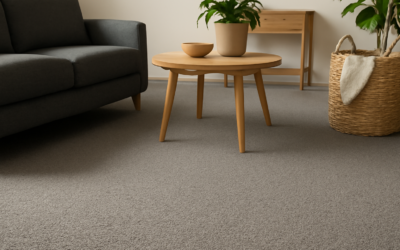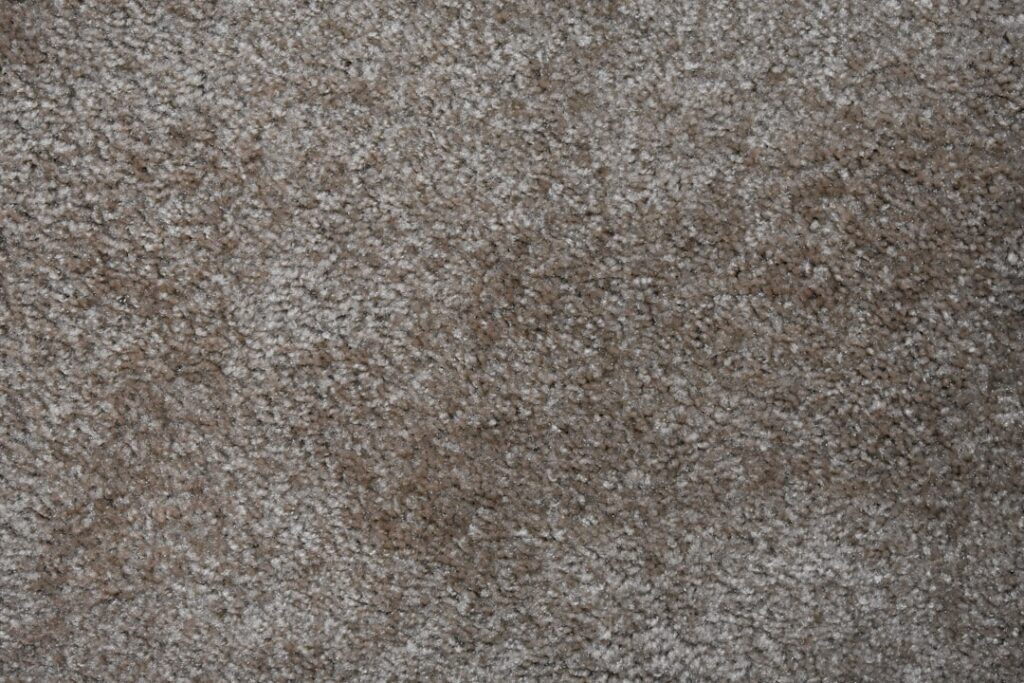
Walk into most carpet showrooms and you will find rows of plush cut pile and rows of tough looped Berber, but the style that quietly hides dirt better than either sits in between. Cut and loop pile carpet combines clipped upright yarns with uncut loops in the same carpet, creating sculpted patterns, texture, and a built-in ability to disguise footprints, vacuum marks, and everyday soil. It is the go-to choice for homeowners who want more visual interest than flat plush without the snag risk of pure loop carpet. Here is everything you need to know before you buy.
What Cut and Loop Pile Carpet Actually Is
The name describes exactly how it is made. During manufacturing, some of the yarn loops are sheared off to stand up as cut tufts, while others are left intact as loops. Combining the two heights and textures in a single carpet creates a surface with dimension. Designers use the contrast to form patterns, from subtle pin-dot textures to bold geometric and floral sculptural designs.
That mix is what sets it apart. Cut pile alone is soft and uniform but shows every footprint. Loop pile alone is durable but can look flat and industrial. Cut and loop borrows the softness of one and the resilience of the other, and the pattern it creates is the real reason people choose it. The high and low areas break up light and shadow, which is why dirt and traffic wear are so much harder to see on this style.
The Pros of Cut and Loop Carpet
- Hides dirt and footprints. The multi-level texture disguises soil, vacuum tracks, and crushing far better than flat plush. This is its number-one selling point.
- Adds visual interest. Sculpted patterns bring texture and style to a room without needing a bold color.
- Reasonably durable. The looped portions add resilience, making it a solid choice for living rooms, hallways, and family spaces.
- Comfortable underfoot. The cut pile sections keep it softer than an all-loop Berber.
- Good value. It sits in the mid-range of carpet pricing, offering a designer look without a premium price.
The Cons to Consider
- Not as plush as full cut pile. If you want the deepest, softest feel underfoot, a saxony or frieze cut pile beats it.
- Loops can snag. The looped portions can catch on pet claws or a vacuum beater bar, though less than a pure Berber.
- Pattern can date. A bold sculptured design that looks fresh today may feel dated in ten years, unlike a neutral solid.
- Uneven wear on stairs. The differing pile heights can wear unevenly in very high-traffic pinch points over time.
- Cleaning texture. The varied surface can trap fine debris that requires a more thorough vacuum.
How Much Does Cut and Loop Carpet Cost?
Pricing depends on fiber, density, and brand, but cut and loop generally lands in the affordable-to-mid range:
- Carpet material: $2 to $6 per square foot for most residential grades. Premium wool or high-density nylon can reach $8 or more.
- Padding: $0.50 to $1.50 per square foot. Do not skimp here, since good pad extends carpet life.
- Installation: $1 to $2 per square foot for professional labor.
All in, expect roughly $4 to $9 per square foot installed. For a typical 200-square-foot living room, that works out to about $800 to $1,800. Getting three quotes from local installers is the surest way to land a fair price.
Best Fiber Choices
The fiber you choose affects durability, softness, and stain resistance as much as the pile style does.
Nylon
The most durable and resilient common carpet fiber. Nylon cut and loop bounces back from crushing and handles heavy traffic, making it the best pick for busy households. It typically costs a bit more but lasts longer.
Polyester (PET)
Naturally stain resistant and available in rich colors at a lower price. It is a great value for bedrooms and lower-traffic rooms, though it can mat faster than nylon in high-use areas.
Triexta
A newer fiber that combines good durability with excellent built-in stain resistance. It performs well in homes with kids and pets and sits between polyester and nylon on price.
Wool
The premium natural option, prized for its rich texture and resilience, but it comes at a much higher cost and requires more careful cleaning.
Where to Use It and Where to Avoid It
Cut and loop carpet shines in spaces where you want pattern and dirt-hiding performance:
- Great for: living rooms, family rooms, hallways, home offices, and formal spaces where a sculpted look adds style.
- Good for: bedrooms, where the softer cut pile portions feel comfortable underfoot.
- Think twice for: homes with cats or dogs that have long claws, since loops can snag. A lower-loop or tighter construction reduces this risk.
- Avoid for: basements or damp areas prone to moisture, and stairs where uneven pile wear can show.
Cut and Loop vs Other Carpet Styles
Understanding how this style stacks up against the alternatives makes the choice clearer. Each construction trades comfort for durability in a different way:
- Cut and loop vs plush cut pile: Plush and saxony feel softer and more luxurious underfoot, but they show every footprint and vacuum mark. Cut and loop is slightly firmer yet hides traffic far better, making it the smarter pick for busy rooms.
- Cut and loop vs Berber loop: A pure Berber is extremely durable and stain resistant, but its uniform loops can look flat and industrial, and long pet claws snag it easily. Cut and loop adds softness and pattern while keeping much of the durability.
- Cut and loop vs frieze: Frieze, or twist carpet, has tightly kinked cut yarns that also hide dirt and resist matting. It has a more casual, shaggy look, while cut and loop offers cleaner sculpted patterns.
If your top priority is disguising everyday mess in a living room or hallway while still having something soft and stylish, cut and loop occupies the sweet spot between plush comfort and Berber toughness. That balance is exactly why it stays popular decade after decade.
Caring for Cut and Loop Carpet
Maintenance is straightforward, but a few habits keep it looking sharp. Vacuum at least weekly with a machine that has adjustable height and, ideally, the ability to turn off the beater bar or lower its aggressiveness, which protects the loops from pulls. Address spills immediately by blotting, never rubbing, to avoid distorting the texture. Schedule a professional hot-water extraction every 12 to 18 months to pull out embedded grit that dulls the fibers. With that routine, a quality nylon or triexta cut and loop carpet easily lasts 10 to 15 years.
One tip specific to this style: if a loop ever snags and pulls into a long strand, do not yank it. Trim it flush with sharp scissors so it sits level with the surrounding pile. Pulling can unravel a row.
Is Cut and Loop Right for You?
If you want carpet that hides everyday dirt, brings texture and pattern to a room, and holds up to normal family life without the price of premium plush, cut and loop pile carpet is a smart middle-ground choice. It is not the softest option on the market and the loops carry a small snag risk, but its ability to disguise footprints and traffic wear makes it one of the most practical carpets you can install in a living room or hallway. Choose a nylon or triexta fiber for durability, pair it with a good pad, and you will have a floor that looks great and forgives the mess of daily life for well over a decade.