Walk into any garden center in the South and you will see bags of golden cypress chips stacked to the ceiling. Understanding the real cypress mulch pros and cons helps you decide whether this popular ground cover belongs in your beds or whether another option would serve your plants and your conscience better.
Cypress mulch is made from shredded bald cypress and pond cypress trees, prized for its light tan color, pleasant aroma, and reputation for repelling bugs. Like every mulch, though, it carries real downsides that are worth weighing before you load up your cart at $3 to $6 per two-cubic-foot bag.
What Is Cypress Mulch?
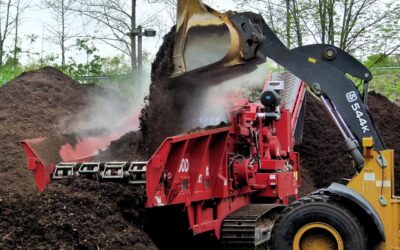
Cypress mulch comes from two native wetland species, the bald cypress and the pond cypress, which grow across the southeastern United States. Mills shred the wood and sometimes the bark into stringy chips that knit together into a dense mat as they settle.
You will find two grades on the market. Premium or “heartwood” cypress mulch comes from the rot-resistant inner wood of mature trees, while standard blends include younger sapwood and outer material that breaks down faster. The grade you buy directly affects how long the mulch lasts and how well it resists decay.
The Pros of Cypress Mulch
There is a reason this mulch stays on shelves season after season. Its strengths are genuine, especially in hot, humid climates where other mulches wash away or break down quickly.
- Natural insect resistance: Cypress contains oils such as cypressene that can deter certain insects, including some ants and termites, though it is not a guaranteed barrier.
- Attractive appearance: The pale golden color brightens beds and holds its tone reasonably well for several months.
- Excellent moisture retention: The stringy fibers mat tightly, slowing evaporation so you water less often during a Florida or Texas summer.
- Strong weed suppression: Apply a 2-to-3-inch layer and the dense mat blocks most weed seeds from reaching sunlight.
- Wind and erosion resistance: Because the fibers interlock, cypress mulch stays put on slopes and in storms better than loose bark nuggets.
For a typical 200-square-foot bed at 2 inches deep, you will need about 17 bags, putting material cost around $50 to $100. That value, combined with low watering needs, appeals to homeowners across hardiness zones 7 through 10.
The Cons of Cypress Mulch
The drawbacks deserve equal attention, and a few of them are significant enough to change your mind.
Sustainability tops the list. Historically, cypress mulch was a byproduct of lumber milling, but rising demand has driven the clear-cutting of immature cypress forests purely to make mulch. These wetland trees grow slowly and protect coastlines from storm surge, so harvesting them for ground cover troubles many environmentalists.
Quality is also inconsistent. Cheaper bags often contain ground-up sapwood or even other wood species dyed to look like cypress, which decomposes quickly and provides little of the rot resistance you paid for. Without checking the grade, you may get only a single season out of a “premium” claim.
- Water repellency when dry: A thick cypress mat can shed rain off the surface and actually keep moisture from reaching roots if it dries into a crust.
- Nitrogen tie-up: As fresh wood decomposes it temporarily pulls nitrogen from the soil, which can stress shallow-rooted annuals.
- Overstated pest claims: The insect-repelling oils fade within months as the mulch weathers, so it is not a long-term termite solution.
How Cypress Compares to Other Mulches
Putting cypress beside the alternatives makes the trade-offs clearer. Pine bark and pine straw decompose faster but enrich acidic soil and cost less, often $3 to $4 per bag. Hardwood mulch breaks down into rich humus and runs $3 to $5 per bag, though it darkens and can grow fungus.
Melaleuca mulch, sold in Florida as a sustainable swap, comes from an invasive tree that crews are actively removing from the Everglades, so buying it actively helps the ecosystem. Rubber mulch never decomposes and suppresses weeds well, but it adds nothing to the soil and can leach in hot sun. If your priority is environmental responsibility, melaleuca or locally sourced hardwood usually beats cypress.
Best Uses for Cypress Mulch
Cypress still earns its place in specific situations. Use it on sloped beds and along foundations where wind and runoff would scatter lighter materials. Its tidy color suits formal front-yard landscaping and high-visibility entryways.
Avoid spreading it around acid-loving plants like azaleas and blueberries that benefit more from pine products, and skip it near vegetable gardens where you want fast-decomposing, nutrient-rich material. Keep any mulch pulled back 2 to 3 inches from tree trunks and shrub stems to prevent rot and rodent damage.
Application and Maintenance Tips
Getting the most from cypress mulch comes down to depth and upkeep.
- Clear existing weeds and water the bed before spreading so the soil starts out moist.
- Lay the mulch 2 to 3 inches deep, no more, since deeper layers smother roots and shed water.
- Rake or fluff the surface every few weeks to break up any crust and let rain soak through.
- Top off with a thin half-inch layer each spring rather than piling on a fresh full layer annually.
How Long Does Cypress Mulch Last?
Longevity is one of the practical questions buyers care about most. Genuine heartwood cypress mulch can hold its structure and color for two to three years before it fully breaks down, which is longer than pine straw at roughly one year. Lower-grade blends that include sapwood often fade and decompose within a single season, so the grade you pay for matters as much as the species name on the bag.
Color fading happens faster than decomposition. Even quality cypress shifts from golden tan toward a weathered gray after a few months of sun exposure. You can refresh the look with a light top-off in spring rather than removing and replacing the entire layer, which saves both money and effort.
Is Cypress Mulch Safe for Pets and Kids?
Cypress mulch is generally considered non-toxic, which makes it a reasonable pick for family yards and play areas. Unlike cocoa mulch, which contains theobromine that is dangerous to dogs, cypress poses no known poisoning risk if a pet nibbles a piece. The bigger concern is splinters and the rare allergic reaction to wood dust during spreading.
Wear gloves and a dust mask when you handle dry bagged mulch, since the fine particles can irritate eyes and lungs. For playground use, a thicker 3-to-4-inch layer cushions falls, though engineered wood fiber and rubber are certified specifically for that purpose and may be the better choice under swing sets.
Final Verdict
Weigh the cypress mulch pros and cons against your climate, your budget, and your environmental priorities. For erosion-prone slopes and a polished look it performs well, but if sustainability or soil enrichment ranks higher for you, a locally sourced hardwood or melaleuca mulch may be the smarter long-term choice.