Dark grey flooring has become one of the most requested colors in modern home design, and for good reason. It hides dirt better than light floors, adds drama without the harshness of black, and pairs with virtually any wall color or furniture style. But choosing the right material matters just as much as the color. Here is how to pick dark grey flooring that looks stunning and holds up in your specific space.
Best Materials for Dark Grey Floors
Nearly every flooring type is available in dark grey tones, but some materials carry the color better than others.
- Luxury vinyl plank (LVP): $2.50-$5.00 per sq ft. Dark grey LVP in wood-grain or stone patterns is the most popular choice. Waterproof, scratch-resistant, and available in dozens of grey shades from charcoal to weathered slate.
- Porcelain tile: $3.00-$8.00 per sq ft. Large-format grey porcelain in 12×24 or 24×24 creates a seamless, modern look. Polished finishes add sophistication; matte finishes hide water spots.
- Engineered hardwood: $4.00-$9.00 per sq ft. Grey-stained oak and maple offer warmth that vinyl and tile cannot replicate. Wire-brushed textures in grey are particularly popular for farmhouse and transitional styles.
- Laminate: $1.50-$3.50 per sq ft. Budget-friendly grey laminate has improved dramatically in realism. Brands like Pergo and Mohawk offer convincing dark grey wood looks.
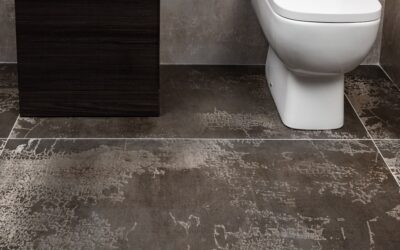
- Concrete-look tile: $2.50-$6.00 per sq ft. For industrial and minimalist interiors, grey concrete-effect porcelain delivers the loft aesthetic without the cold, hard maintenance of actual polished concrete.
Room Design Ideas with Dark Grey Floors
Dark floors anchor a room visually, making everything above them feel lighter and more intentional. The key is balancing the darkness with enough contrast to prevent the space from feeling like a cave.
Living Rooms and Great Rooms
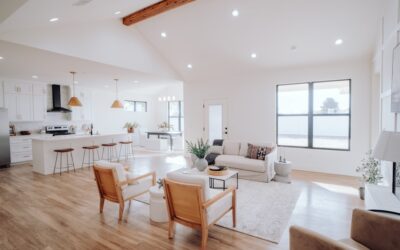
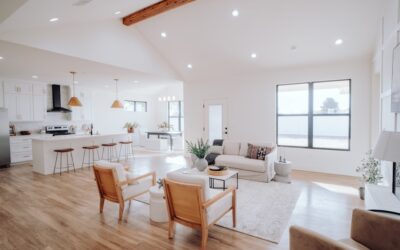
Pair dark grey LVP or engineered hardwood with white or light grey walls for a clean, contemporary look. Add warmth with a natural fiber rug in cream, jute, or sisal. Light-colored furniture in linen or light leather keeps the room bright while the floor provides grounding contrast. Avoid dark furniture on dark floors unless the room has abundant natural light.
Kitchens
Dark grey porcelain tile or LVP works exceptionally well with white cabinetry. The contrast creates a high-end look that photographs beautifully and hides crumbs and scuff marks between cleanings. Matte grey floors pair best with matte or satin cabinet finishes, while polished grey tile complements glossy lacquer cabinets.
Bathrooms
Large-format dark grey porcelain in a matte finish creates a spa-like atmosphere. Use the same tile on the floor and shower walls for a cohesive, expansive feel. Brass or gold fixtures pop dramatically against grey tile, while chrome fixtures create a cooler, more modern vibe.
Maintenance Considerations
Dark grey floors show certain types of debris more than lighter colors. Pet hair, lint, dust bunnies, and water spots are visible on dark surfaces, especially on high-gloss or polished finishes. This does not mean dark floors are harder to maintain, but it does mean you will notice when they need cleaning.
Choose matte or textured finishes to minimize this effect. A matte grey LVP plank with wire-brushed texture hides dust and water spots far better than a smooth, glossy grey tile. For households with pets, a medium grey with subtle variation provides the best balance between drama and practicality.
What Wall Colors Work Best
Dark grey flooring is remarkably versatile with wall colors, but some combinations stand out.
- Bright white (e.g., Benjamin Moore Simply White): Maximum contrast, clean and modern
- Warm greige (e.g., Sherwin-Williams Agreeable Gray): Subtle warmth without clashing with cool grey floors
- Navy blue: Bold and sophisticated for accent walls or home offices
- Sage green: Earthy and calming, especially with grey wood-look floors
- Charcoal accent walls: Monochromatic drama that works in large, well-lit rooms
Avoid warm yellow or orange wall tones, which clash with the cool undertones in most grey flooring. If your grey has warm undertones (brownish grey or “greige”), you have more flexibility with warm wall colors.
Light Grey vs Dark Grey: Which to Choose
Light grey floors make small rooms feel larger and show less dust, but they lack the visual impact of dark grey. Dark grey floors work best in rooms with ample natural light, higher ceilings, and at least moderate square footage. In a small, windowless powder room, dark grey can feel oppressive. In an open-concept living area with large windows, it looks magazine-worthy.
A practical compromise is medium-dark grey with natural variation, such as a grey-washed oak LVP with lighter grain streaks. This delivers the drama of dark flooring while breaking up the solid darkness that accentuates every speck of dust.
Trending Dark Grey Flooring Styles for 2026
Wide-plank dark grey LVP in 9-inch widths with micro-beveled edges dominates the residential market right now. In tile, the shift is toward extra-large formats (24×48 and 36×36) with minimal grout lines for a seamless concrete look. Herringbone patterns in dark grey engineered hardwood are surging in popularity for entryways and dining rooms, adding visual interest without introducing additional color.
Prefer to explore on your own?
See how new flooring looks in your actual room in seconds — free, no signup.
Try the free Floor Studio →