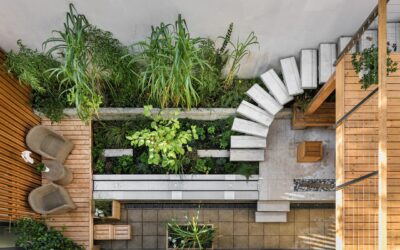
You do not need a yard to grow flowers, herbs, or even vegetables; a deck can become a productive, beautiful garden with the right planning. Successful deck gardening comes down to managing a few realities that ground-level gardens never face: the weight your deck can safely hold, the sun and wind exposure up off the ground, watering in containers that dry out fast, and protecting the decking itself from constant moisture. Get those four factors right and your deck can host everything from tomatoes to a lush container oasis.
Start With Weight: Know Your Deck’s Limits
This is the factor most new deck gardeners overlook, and it matters for safety. Containers full of wet soil are heavy. A large planter with saturated soil can weigh well over 100 pounds, and several of them add up quickly. Decks are built to support a certain load, so before loading yours with planters, consider how much total weight you are adding, especially with big containers and water.
- Distribute heavy containers near the perimeter and over support posts and beams rather than clustering them in the center of a span.
- Use lightweight containers made of fiberglass, resin, or plastic instead of heavy ceramic or concrete where possible.
- Choose lightweight potting mix rather than dense garden soil, which is both heavy and poorly suited to containers.
- If you plan a large or heavy garden, or your deck is older or elevated, have a contractor assess whether the structure can handle the load.
Read the Sun and Wind
A deck’s exposure is often different from ground level. Spend a day noting how many hours of direct sun different areas receive, since this determines what you can grow. Most vegetables and herbs need at least six hours of full sun, while many flowers and foliage plants prefer partial shade.
- Full sun (6+ hours): tomatoes, peppers, basil, marigolds, and most herbs.
- Partial shade: lettuce, leafy greens, ferns, and many shade-tolerant flowers.
Wind is the hidden challenge on elevated and exposed decks. It dries out soil faster, can topple tall plants, and stresses foliage. Use windbreaks like a trellis, railing planters, or larger anchor plants to shelter more delicate ones, and choose sturdy containers that will not blow over.
Watering: Containers Dry Out Fast
Container plants need far more frequent watering than in-ground gardens because the limited soil dries quickly, and sun and wind on a deck accelerate it. In peak summer, you may need to water daily, sometimes twice a day for small pots. Build a routine and check soil moisture by feel, watering when the top inch is dry.
Several strategies make this manageable. Larger containers hold more soil and moisture, so they dry out more slowly than small pots. Self-watering planters with a reservoir reduce how often you need to water. Mulching the top of containers slows evaporation. For a hands-off approach, a simple drip irrigation system on a timer keeps everything watered even when you travel. Group plants with similar water needs together to simplify care.
Drainage and Protecting Your Decking
Good drainage keeps plants healthy and your deck intact. Every container must have drainage holes so roots do not sit in water and rot. But that draining water, combined with constant moisture under pots, is exactly what damages decking over time, causing wood to rot, warp, stain, or develop mold.
- Set containers on pot feet, risers, or a plant stand so air circulates underneath and water does not pool against the deck boards.
- Use saucers or trays to catch runoff, but empty them so they do not hold standing water against the deck.
- Move containers periodically to let the area beneath dry out and to avoid permanent stains or discoloration.
- For wood decks, keeping the surface sealed and finished helps it resist the extra moisture.
These small steps protect your investment in the deck while keeping the garden thriving.
Choosing Containers and Plants
Pick containers sized to the plant’s mature root system; cramped roots stunt growth, while oversized pots stay soggy. Railing planters and hanging baskets add vertical greenery without using floor space or adding much weight to the deck surface. Vertical garden systems and tiered stands maximize a small footprint. For plant choices, container-friendly vegetables, compact herb gardens, and resilient flowers like petunias, geraniums, and succulents all do well on decks. Mix heights and textures for visual interest.
Soil and Feeding in Containers
Container plants depend entirely on you for nutrition, because the limited soil cannot replenish itself the way ground does. Start with a quality potting mix formulated for containers, never heavy garden soil, which compacts, drains poorly, and adds unnecessary weight. A good mix is light, holds moisture without staying soggy, and contains organic matter for nutrients. Because frequent watering flushes nutrients out of the pot, plan to feed regularly during the growing season with a balanced liquid fertilizer or a slow-release granular feed mixed into the soil at planting. Vegetables and heavy bloomers are especially hungry. Refresh or amend the potting mix each season, since it breaks down and loses structure over time, and your plants will reward the effort with stronger growth.
Extending the Season and Year-Round Interest
A little planning keeps a deck garden attractive well beyond peak summer. Cool-season crops like lettuce, kale, and pansies can stretch the growing window into spring and fall, and in mild climates you can grow something nearly year-round. Movable containers are an advantage here: you can shift tender plants to sheltered spots or indoors when frost threatens, and rotate displays to keep the deck looking fresh. For winter interest in cold regions, evergreens, ornamental grasses, and cold-hardy containers add structure when annuals fade. Just remember that containers freeze faster than the ground, so use frost-tolerant pots and protect or empty fragile ceramic ones before a hard freeze cracks them.
Putting It All Together
A deck garden rewards a little upfront planning. Respect your deck’s weight limits and spread the load over supports, match plants to your actual sun and wind exposure, set up a reliable watering routine for fast-drying containers, and protect the decking with feet, risers, and good drainage habits. Handle those fundamentals, and your deck becomes a flourishing garden that delivers fresh herbs, vegetables, and color all season without harming the structure beneath it.