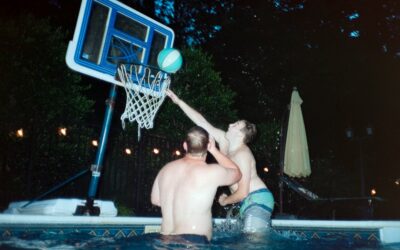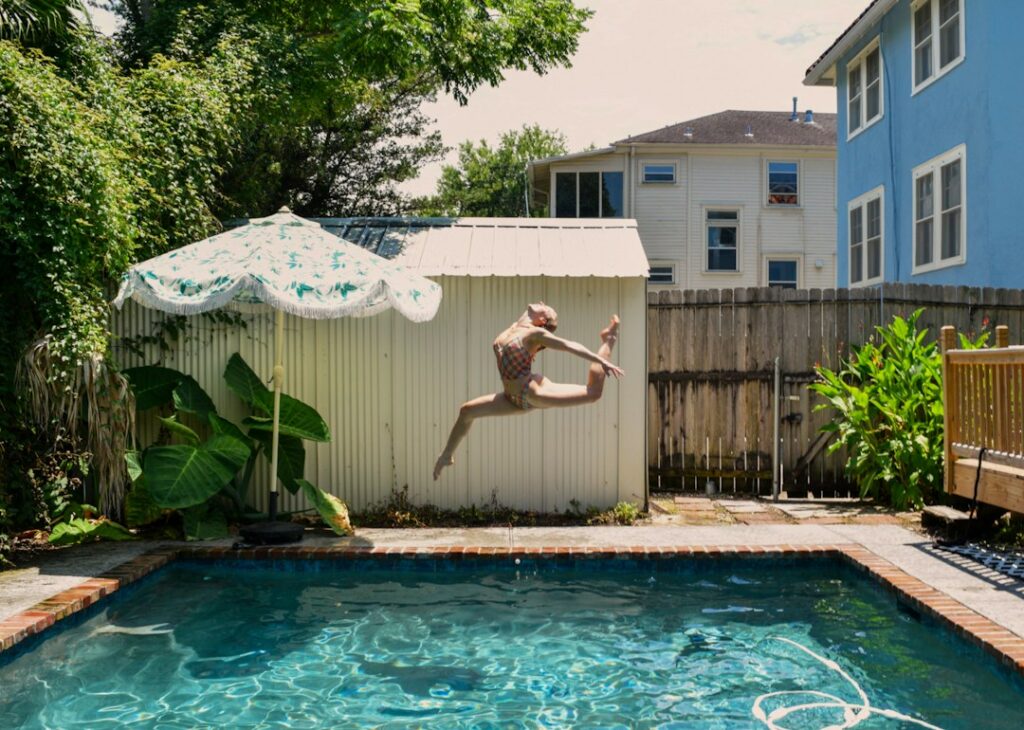
Most people think an above ground pool is limited to its wall height, so a 52 inch wall means about 4 feet of water. That is only half true. Deep above ground pools get extra depth two ways: taller walls, and an expandable liner that lets you dig a deeper center or end into the ground inside the wall. With the right liner and a careful excavation, many owners reach a 6 to 7 foot deep section while the pool still looks like a standard above ground model from the yard.
Depth changes how the pool feels and how people use it. Adults can stand or tread water, a floating game has more room, and the pool feels more like an in-ground design. It also brings more water weight, more excavation risk and one hard rule that never bends: no diving into an above ground pool, deep end or not.
Every pool at any depth also needs a four-sided barrier fence with a self-closing, self-latching gate and constant adult supervision. A cover or net is never a substitute for either.
Deep Above Ground Pools: Wall Heights and Real Water Depth
Above ground walls come in a few standard heights, and water usually sits about 6 inches below the top rail:
- 48 inch wall: Around 42 inches of water. A swimming pool 48 inches deep in wall terms suits kids and casual wading.
- 52 inch wall: Around 46 inches of water, the most common size. A 52 inch pool lets most adults stand comfortably.
- 54 inch wall: Around 48 inches of water, the tallest common option in mainstream lines.
- Taller specialty walls: A few systems go higher, but these need heavier construction and are less common.
Above that, depth comes from digging. A 6ft deep above ground pool almost always pairs a 52 or 54 inch wall with an expandable liner and a hand-dug deep area. That lets the pool reach roughly 72 inches in the deepest spot without a taller, more expensive wall.
How Expandable Liners Work
A standard liner is sized to the wall height and a flat floor. An expandable liner has extra material in the floor and lower wall seam, so it stretches down into a dug-out area when the pool fills. Common expandable options add anywhere from about 12 to 36 inches of possible depth beyond the wall height.
Owners usually pick one of three floor shapes:
- Center dig (hopper): A bowl-shaped deep area in the middle with sloped sides, leaving the outside edge shallow. Works well in round pools.
- Deep end: A deep area at one end with a slope rising to a shallower end. This gives an above ground pool with shallow end feel, closer to an in-ground layout, and suits oval pools.
- Gentle slope: A modest dig of 1 to 2 feet across the floor to add a little depth without a dramatic transition.
Liner thickness matters more with depth because the stretched material thins as it expands. A heavier gauge expandable liner resists punctures and wrinkles better. Order the liner based on the actual dig depth, not guesswork.
Digging a Deep End Safely
The deep section must stay well inside the wall so the pool frame keeps its support. Most wall makers call for an undisturbed ledge of at least 2 feet between the wall and the start of the slope. Cutting too close undermines the bottom track and uprights and can lead to wall failure.
- Call 811 first. Contact 811 a few days before digging so buried gas, electric, water and communication lines get marked. This is required in most areas and prevents dangerous strikes.
- Install the wall on level ground. Build the pool wall on firm, level soil or patio blocks per the kit instructions.
- Mark the deep area. Measure a consistent ledge from the wall, then outline the hopper or deep end with marking paint.
- Dig and shape gradually. Keep slopes gentle, typically no steeper than about 1 foot of drop for every 2 feet of run in the transition, so the liner can stretch evenly. Remove roots and rocks.
- Smooth and pad the floor. Rake the dig smooth, add a layer of sand or a floor pad, and hand trowel it firm.
- Check soil and water conditions. A high water table or sandy, collapsing soil makes a deep dig risky. Stop and consult a pro if water seeps into the hole or walls slump.
Never dig a deep area by undermining the wall. If you want the deepest possible pool, have a qualified installer evaluate soil, drainage and structure before you start. Deep excavations can cave in, so never let anyone work alone in a trench or hole deeper than their waist.
No Diving: Why Depth Does Not Make It Safe
Diving into an above ground pool is one of the leading causes of catastrophic spinal cord injuries in home pools. Even at 6 or 7 feet, the deep area is small and surrounded by sloped floor and shallow edges. A diver entering from the top rail or a deck travels forward and down fast, often striking the slope before reaching the deepest spot.
- Post clear “No Diving” signs on the pool and deck
- Never install a diving board or slide on an above ground pool unless the manufacturer specifically rates the pool for it
- Enter feet first, every time
- Do not let anyone jump from a deck, roof, railing or ladder into the water
Mark depths visibly. Depth markers on the top rail or deck at the shallow and deep areas help swimmers and guests know where the floor drops. Some owners add a floating rope line at the start of the slope so weaker swimmers stay in the shallow section.
Weight, Cost and Equipment
Deep above ground pools hold more water, and water is heavy at roughly 8.3 pounds per gallon. A deep dig in a 24 ft round pool can add a couple of thousand gallons to its usual volume, which adds weight, chemical use and filter work.
- Pump and filter: Size equipment for the actual gallons, including the deep area, so the water turns over properly.
- Circulation: Deep areas can stay colder and collect debris. Point return jets to push water across the floor, and vacuum regularly.
- Liner cost: Expandable liners typically cost more than standard liners, and heavier gauges add to the price.
- Labor: Professional digging and liner installation for a deep end add to the cost, usually from a few hundred to a couple of thousand dollars depending on size, soil and access.
Plan an extra pool ladder or step system rated for the wall height. Deep water makes it harder for tired swimmers to get out, so a solid exit point matters.
Drowning Prevention and Trip Hazards
With deep above ground pools, the stakes rise for weaker swimmers and children, who can go from standing to over their heads in a step. Layer protection:
- Four-sided barrier fence: Fully enclose the pool with a self-closing, self-latching gate that swings away from the water. The pool wall alone is not a barrier.
- Constant adult supervision: Assign a designated water watcher who keeps eyes on swimmers and avoids phones and alcohol.
- Remove or lock the ladder: When nobody is swimming, remove the ladder or lock the entry steps.
- Covers are not a substitute: A cover adds a layer but never replaces a fence or supervision. Never walk on covers except a certified safety cover rated for it, and never let kids play on any cover.
- Swim skills and CPR: Teach kids to swim and make sure adults know CPR.
Around the pool, keep walkways clear of hoses and cords. Mats at the ladder should have non-slip backing and flat, secured edges. Sloped ground left from excavation should be graded and compacted so no one trips on loose soil.
When to Call a Licensed Professional
Call an experienced pool installer for any dig deeper than about 2 feet, for sloped or soft ground, or for a high water table. Structural questions about wall support, retaining walls or decks next to a deep pool belong with a qualified contractor or engineer. Pumps, lighting and heaters need GFCI-protected power, and new circuits or pool bonding must be done by a licensed electrician. Check your local building department about permits, fence rules and setbacks before starting.
Frequently Asked Questions
How deep can an above ground pool be?
Walls usually top out around 52 to 54 inches. With an expandable liner and a dug deep area inside the wall, many pools reach about 6 to 7 feet at the deepest point.
Can you dive into a deep above ground pool?
No. Even with a deep end, the area is too small and sloped for safe diving, and diving into above ground pools is a leading cause of spinal cord injuries. Always enter feet first.
What is an expandable liner?
An expandable liner has extra floor material that stretches down into a dug-out deep area, letting the pool go deeper than its wall height.
Do I need to call 811 before digging a deep end?
Yes. Contact 811 a few days before digging so buried utility lines are marked. It is required in most areas and prevents dangerous line strikes.
Does a deeper pool need a different pump?
Size the pump and filter to the total gallons, including the deep area. A deeper pool usually needs a little more capacity to circulate properly.