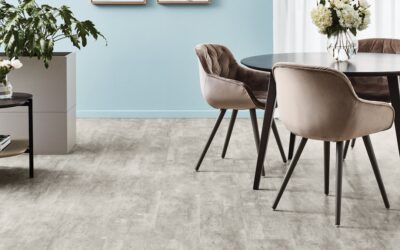
Discount vinyl plank flooring can be found for under $2 per square foot, and sometimes closer to $1, which makes it one of the cheapest ways to put a durable, water-resistant, wood-look floor in any room. The opportunity is real, but so is the risk: not every bargain plank is worth installing. The trick is learning which corners a discount product cuts safely and which ones will leave you ripping up a failed floor in two years. This guide walks through both sides honestly so you can shop a sale without getting burned.
- What Counts as Discount Vinyl Plank?
- The Pros of Going Discount
- The Cons and Real Tradeoffs
- How to Read the Spec Sheet
- Where Discount Vinyl Plank Makes Sense
- Where to Spend a Little More
- Smart Ways to Find Genuine Deals
- Installation Tips to Protect a Budget Floor
- Pros and Cons Summary
- The Bottom Line
What Counts as Discount Vinyl Plank?
Vinyl plank flooring, often labeled LVP or sometimes rigid-core SPC and WPC, normally retails from about $2 to $7 per square foot. Discount product is anything meaningfully below that range, typically $1 to $2.50. It shows up as store closeouts, discontinued colors, overstock, builder-grade lines, and thinner-gauge products. A low price can come from a genuine clearance on quality goods, or from a thin, lightly warrantied plank built to a price. Telling those two apart is the whole game.
The Pros of Going Discount
- Big upfront savings. On a 500-square-foot project, the gap between $1.50 and $4 per square foot is over $1,200 in materials alone.
- Still water resistant. Even budget vinyl plank handles spills and humidity far better than laminate or hardwood, making it viable in kitchens, baths, and basements.
- DIY-friendly. Most click-lock planks float over the subfloor with no glue, so you can install them yourself and save on labor too.
- Decent looks. Modern printing means even inexpensive planks can convincingly mimic oak, hickory, or stone.
- Fast room makeovers. For rentals, flips, and starter homes, discount LVP delivers a fresh floor on a tight budget.
The Cons and Real Tradeoffs
- Thinner wear layer. The clear top layer that resists scratches and scuffs is often only 6 to 12 mil on cheap planks, versus 20 mil or more on premium products. Thin wear layers wear through faster in high-traffic areas.
- Less realistic texture. Budget planks may have repeating patterns and flat, smooth surfaces instead of embossed, registered texture.
- Weaker click joints. Lower-grade locking systems can gap, peak, or separate, especially over uneven subfloors.
- Shorter or limited warranties. Discount lines often carry thinner residential warranties with more exclusions.
- Thinner core. A flimsy plank telegraphs subfloor imperfections and feels hollow underfoot.
- Discontinued stock. Closeout colors cannot be reordered, so a damaged plank later may be impossible to match.
How to Read the Spec Sheet
Price alone tells you nothing. These four specs separate a smart deal from a regret:
- Wear layer thickness: Measured in mils, not millimeters. Aim for at least 12 mil for residential and 20 mil for busy households or light commercial use. Avoid 6 mil for anything but closets and low-traffic rooms.
- Overall plank thickness: Thicker planks, around 5mm and up with a rigid SPC or WPC core, feel solid and span minor subfloor flaws better than thin 2mm to 4mm glue-down or peel-and-stick.
- Core type: Rigid SPC stone-plastic cores are dimensionally stable and forgiving. Flexible thin vinyl needs a flatter subfloor and shows more.
- Warranty: A confident manufacturer backs even a discount line with a clear residential warranty. Read the exclusions.
Where Discount Vinyl Plank Makes Sense
Budget LVP shines in spaces where ultimate longevity matters less than cost: rental units, basement playrooms, guest bedrooms, laundry areas, home offices, and houses you plan to sell soon. In these rooms, a thinner wear layer will still last years under moderate traffic, and the savings free up budget for higher-impact upgrades elsewhere. It is a sensible, practical choice when you need a clean, water-resistant floor without a premium price.
Where to Spend a Little More
In high-traffic, hardworking areas, entryways, main hallways, busy kitchens, and homes with large dogs or kids, the thicker wear layer and stronger click system of a mid-grade plank pay for themselves. The same is true if you plan to stay in the home long term, since paying double once beats relaying a worn floor in three years. Think of it as matching the product grade to how hard the room works.
Smart Ways to Find Genuine Deals
- Shop closeouts of quality brands. A discontinued color from a reputable line often has a real 20-mil wear layer at a clearance price, the best of both worlds.
- Buy overstock by the pallet. Flooring liquidators sell name-brand overruns well below retail.
- Watch seasonal sales. Big promotions around holidays routinely cut prices on standing inventory.
- Order extra at the discount price. Buy 10 percent overage up front, since closeout stock cannot be reordered for repairs.
- Always get a sample. Feel the thickness, flex a plank, and test the click joint before committing to a large order.
Installation Tips to Protect a Budget Floor
A discount plank installed well outperforms a premium plank installed poorly. Make the subfloor as flat as possible, because thin planks magnify dips and bumps and stress the click joints. Acclimate the flooring in the room for the time the manufacturer specifies so it does not expand or contract after install. Leave the required expansion gap around the perimeter. On larger spans, an underlayment can add cushion and quiet the hollow sound common to thinner planks, but check whether your product already includes an attached pad, since doubling up can void the warranty.
Pros and Cons Summary
Discount vinyl plank flooring offers real water resistance, easy DIY installation, convincing looks, and major savings, which make it ideal for rentals, basements, and budget-conscious remodels. The tradeoffs are thinner wear layers, less realistic texture, weaker locking systems, limited warranties, and stock that cannot be reordered. None of those are dealbreakers if you read the spec sheet, match the grade to the room, and prep the subfloor properly.
The Bottom Line
Discount vinyl plank flooring is a legitimate way to get a durable, attractive, water-resistant floor for a fraction of the cost, as long as you shop with your eyes open. Check the wear layer, the core, and the warranty rather than the price tag alone, buy a little extra of any closeout, and reserve the cheapest grades for low-traffic spaces. Do that and you will get a floor that looks great and lasts, without overpaying. At D and G Flooring we always recommend ordering a sample and confirming the wear-layer thickness before you buy any discount flooring in bulk.
Prefer to explore on your own?
See how new flooring looks in your actual room in seconds — free, no signup.
Try the free Floor Studio →