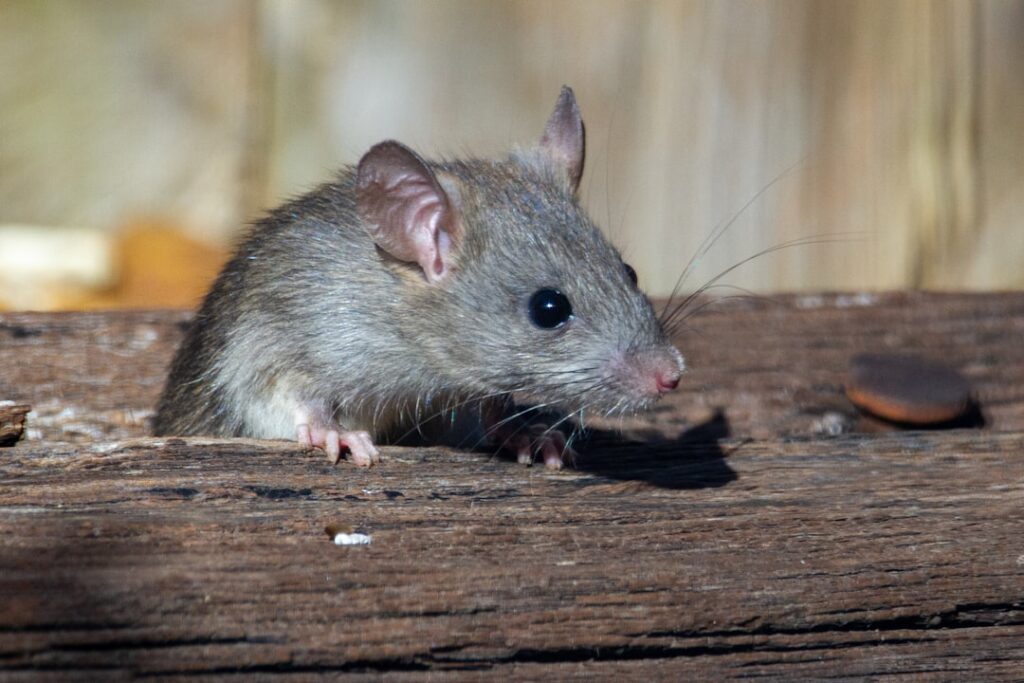
When mice show up in the pantry, homeowners reach for whatever is in the cabinet, and vinegar is usually first. So do mice like the smell of vinegar? No, they do not. Mice have an extremely sensitive sense of smell, and the sharp, acidic odor of vinegar is unpleasant and irritating to them, which makes it a mild natural deterrent. That said, vinegar is a repellent that discourages mice from an area, not a poison or a guaranteed solution, so it works best as one layer in a larger strategy.
I have dealt with mouse problems in old houses with gaps in every wall, and I can tell you that scent-based deterrents help at the edges but never do the whole job alone. Here is what vinegar actually accomplishes and how to use it correctly.
Why Mice Dislike Vinegar
A mouse navigates the world almost entirely through smell. It uses scent to find food, follow established trails, and detect danger. Vinegar, especially white distilled and apple cider vinegar, gives off a strong acetic acid odor that overwhelms a mouse’s sensitive nose. The pungency is irritating enough that mice tend to avoid areas that reek of it. In practical terms, a fresh vinegar smell can disrupt the scent trails mice rely on and make a space feel unwelcoming to them.
The catch is that the effect fades as the smell evaporates. Once the vinegar odor dissipates, usually within a day or two, its deterrent power goes with it. That is why vinegar requires frequent reapplication to keep working.
Does Vinegar Actually Get Rid of Mice?
Let me be honest about the limits. Vinegar will not kill mice, will not drive out an established infestation on its own, and will not seal the holes they use to get inside. What it can do is make specific spots less attractive and help erase the scent trails and pheromone markers mice leave for one another. Think of it as a nudge, not a knockout. A hungry mouse with a nest full of babies will tolerate a bad smell to reach food. If you already hear scratching in the walls or find droppings daily, vinegar alone is not going to solve it.
How to Use Vinegar to Deter Mice
Used correctly and consistently, vinegar can support your other efforts. Here is the practical approach:
- Make a spray: Mix equal parts white vinegar and water in a spray bottle. For extra potency, use straight vinegar or add a few drops of dish soap so it clings to surfaces.
- Target entry points and trails: Spray along baseboards, in corners, around pipe openings, under sinks, behind appliances, and anywhere you have seen droppings or grease marks.
- Soak cotton balls: Saturate cotton balls with vinegar and tuck them into cabinets, drawer backs, and small gaps where a spray will not reach.
- Reapply often: Refresh the spray and cotton balls every one to two days, because the deterrent effect vanishes as the smell fades.
- Clean with it: Wipe down countertops and pantry shelves with a vinegar solution to remove food residue and the scent trails that attract mice in the first place.
How Long Does the Vinegar Effect Last?
This is where realistic expectations matter. A freshly sprayed surface holds its sharp odor for roughly one to two days indoors, less in a warm or well-ventilated room where the acetic acid evaporates faster. Cotton balls soaked in vinegar and tucked into an enclosed cabinet last a little longer, maybe three to four days, because the confined space traps the smell. Once you can no longer smell it, a mouse largely cannot either, and the deterrent is gone. Set a recurring reminder to refresh your applications rather than spraying once and assuming the problem is handled. Homeowners who treat vinegar as a set-and-forget solution are the ones who report that it does not work, when the real issue is that they never reapplied it.
Other Scents Mice Hate
If vinegar alone is not cutting it, rotate in other strong odors that mice avoid. Combining deterrents keeps them from getting used to any single smell:
- Peppermint oil: The most popular natural mouse repellent. Soak cotton balls in a few drops and place them in problem areas.
- Ammonia: Its smell mimics predator urine, though it is harsh and must be used carefully and never mixed with bleach.
- Cloves and clove oil: A strong spicy scent mice dislike.
- Cayenne pepper and black pepper: The capsaicin irritates their noses.
- Dryer sheets: Some people tuck these into entry points, though the effect is weak and short-lived.
The Steps That Actually Solve a Mouse Problem
Scent deterrents buy you a little peace, but exclusion and trapping are what end an infestation. Prioritize these:
Seal Entry Points
A mouse squeezes through a gap the size of a dime. Walk the exterior and interior and seal cracks, gaps around utility pipes, and holes with steel wool or copper mesh packed tight, then cover with caulk or expanding foam. Mice cannot chew through metal mesh. This is the single most effective thing you can do.
Remove Food and Water
Store dry goods in airtight glass or metal containers, wipe up crumbs nightly, take out trash regularly, and fix leaky faucets. A mouse that cannot find food or water will move on.
Set Traps
Snap traps baited with peanut butter remain the most reliable and humane quick kill. Place them perpendicular to walls where you see activity. For those who prefer catch-and-release, live traps work but require you to relocate mice at least a mile away.
Call a Professional
If you have a persistent or large infestation, a licensed pest control company can find hidden entry points, use professional exclusion methods, and confirm the problem is fully resolved. Expect an initial visit to run $150 to $350.
Common Mistakes to Avoid
People lean too hard on scent alone and neglect the fundamentals. A few errors show up again and again:
- Relying only on vinegar while leaving food out. No smell overrides a mouse’s need to eat. Secure the food first.
- Spraying once and expecting lasting results. Without reapplication every day or two, the deterrent disappears fast.
- Ignoring the entry points. If mice can still get in, they will keep coming back regardless of how the room smells.
- Mixing vinegar with bleach or ammonia. These combinations produce dangerous fumes. Keep vinegar and ammonia treatments in separate areas and never combine them.
- Assuming droppings are old. Fresh droppings are dark and soft, meaning mice are still active and you need traps and exclusion, not just a repellent.
Vinegar earns its place as a cheap, non-toxic, pet-friendly tool, but it is a supporting player. Pair it with sealing, sanitation, and trapping and you will get results; use it alone and you will just have a house that smells like salad dressing while the mice keep breeding in the walls.
Frequently Asked Questions
Does the smell of vinegar keep mice away?
Vinegar’s strong acidic odor is unpleasant to mice and can discourage them from treated areas, but the effect fades quickly as the smell evaporates. It works as a mild, short-term deterrent that needs frequent reapplication, not as a permanent fix.
What kind of vinegar works best against mice?
White distilled vinegar and apple cider vinegar both give off the strong acetic odor mice dislike. White vinegar is cheaper and slightly more pungent, making it the practical choice for spraying entry points and soaking cotton balls.
How often do I need to reapply vinegar?
Refresh vinegar sprays and soaked cotton balls every one to two days. The deterrent power depends entirely on the smell, and once the odor dissipates the mice will no longer be discouraged. Consistency is key if you rely on it.
Is vinegar better than peppermint oil for mice?
Both are scent deterrents with similar limitations. Peppermint oil tends to hold its smell a bit longer and is more popular, while vinegar doubles as a cleaner that removes food residue and scent trails. Using both, and rotating them, works better than either alone.
Can vinegar get rid of mice completely?
No. Vinegar cannot kill mice, seal their entry points, or eliminate an established infestation. To truly get rid of mice you must seal gaps with steel wool and caulk, remove food and water sources, and set traps. Vinegar is only a supporting deterrent.