Most homeowners notice it on the first wall they paint: the color in the can looks one shade, the wet wall looks another, and the dry wall looks different again. So does paint get darker as it dries, or is that just an optical illusion? The honest answer is that almost all latex paints darken slightly as water evaporates, but the magnitude of that shift depends on the binder, pigment load, sheen, and the substrate underneath. Knowing how each variable plays into the final color saves you from repainting the same wall twice.
Wet Paint vs Dry Paint Color
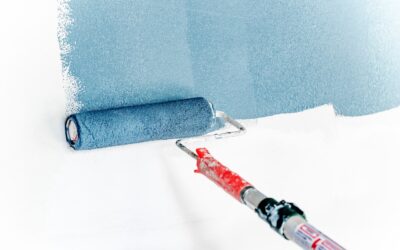
Water-based latex paints contain 30 to 50 percent water by volume when wet. As that water evaporates, the pigment particles draw closer together, and the resin binder forms a continuous film over them. Both processes reduce light scattering on the surface, which lets more pigment color show through.
The result is a wet-to-dry color shift that almost always reads darker once cured. Whites can shift toward warmer cream, blues read deeper, and reds intensify. The shift is typically subtle, often only one or two clicks on a paint chip strip, but it is real and predictable.
Why Cans Show One Color and Walls Show Another
The paint in a freshly opened can looks wet, glossy, and reflective. That sheen bounces ambient light back into your eye and makes the color appear lighter and more saturated. As the same paint dries on a wall, the surface flattens, light scatters differently, and the color reads truer to the pigment.
Sheen plays a huge role here. Flat and matte paints lose more apparent depth as they cure because the flatter surface scatters light evenly. Satin and semi-gloss retain more reflectivity, so the wet-to-dry shift is less dramatic. High-gloss paints show the least color shift but every imperfection in the surface beneath them.
How Long the Color Takes to Stabilize
Touch-dry and color-cured are not the same thing. Most latex paints feel dry to the touch within an hour at 70°F and 50 percent relative humidity, but full color development takes longer.
- Surface dry: 30 to 60 minutes
- Recoat-ready: 2 to 4 hours for most latex
- Color settled: 24 to 72 hours after the final coat
- Full cure with maximum hardness: 21 to 30 days
Judging color too early is the most common mistake. The wall you paint Saturday morning will not show its true color until Sunday afternoon at earliest. Make color decisions after at least 48 hours of cure time, not based on the wet sample square.
Why Sample Sizes Mislead
The 2-by-2-inch paint chip in the store is printed under controlled lighting, often at higher pigment concentration than the actual paint mix. The actual paint applied at recommended thickness on textured drywall reflects light differently and looks slightly different.
Buy sample pints at $4 to $8 each and paint test patches at least 2 feet by 2 feet on the actual wall. Observe them at 8 a.m., noon, and 8 p.m. under your actual lighting. Painters and designers swear by Samplize peel-and-stick paint samples at $5.95 each, which provide accurate color rendering without committing to sample pints, but only the brands they license are available.
Brand Differences in Color Shift
Different paint formulations show different wet-to-dry shifts. Premium paints with higher pigment loads and better resin systems show less shift than budget paints.
- Sherwin-Williams Emerald: minimal shift, color stabilizes within 24 hours
- Benjamin Moore Aura: very low shift thanks to Color Lock technology
- Behr Marquee: low shift in premium tints, more variation in deep base colors
- Valspar Reserve: moderate shift, longer cure for full color
- Glidden Premium: more pronounced shift, typically reads darker after 48 hours
Deep base paints (used for dark and saturated colors) always show more shift than light base paints because they contain more colorant in proportion to white pigment.
Substrate and Primer Influence
What you paint over matters as much as what you paint with. Painting a saturated color over a white primer produces a different final result than painting over a tinted primer. Pros tint primer to a slightly lighter shade of the topcoat to reduce the number of finish coats and keep color consistent.
Porous substrates absorb paint differently and can shift colors during the first coat. New drywall, fresh joint compound patches, and unfinished wood all suck moisture out of paint quickly, leaving the pigment to set faster and sometimes lighter. Always prime new substrates with a stain-blocking primer like Zinsser Bulls Eye 1-2-3 at $32 per gallon or Kilz Premium at $26 per gallon.
Lighting Changes Perceived Color
The same dry paint can look like three different colors throughout the day depending on light source and color temperature. Morning daylight at 5,500K renders cool colors accurately. Late afternoon at 3,200K warms everything up. Incandescent indoor bulbs at 2,700K shift colors warmer still.
LED bulbs with CRI ratings below 80 distort color rendering badly. Specify 90+ CRI bulbs at 2,700K to 3,000K throughout the room before judging final paint color. The Philips Hue White Ambiance line at $24.99 per bulb lets you test color temperature scenarios. GE Reveal HD+ bulbs at $5.49 each deliver high CRI at a lower price.
Practical Steps to Get Color Right
To avoid being surprised by the dry color, follow a few simple rules:
- Test paint samples on the actual wall, never just paper chips
- Apply samples in 2 by 2 foot patches with two coats
- Wait 48 hours before making a final color decision
- View samples under daylight, afternoon light, and evening light
- Tint primer toward the final color for deep or saturated topcoats
- Buy paint from a single batch to avoid color variation between gallons
So yes, paint usually does get darker as it dries, but the shift is small and predictable when you understand the variables. Plan around the cure timeline, test on the actual surface, and you will land on the color you actually wanted instead of repainting the same wall a second time next weekend.