Vinegar shows up in nearly every list of natural flea remedies, but the truth is more nuanced than the internet suggests. Does vinegar repel fleas? To a limited degree, yes, the strong smell and acidity can deter fleas from settling on a treated surface or pet, but vinegar does not kill fleas, eggs, or larvae, and it will not clear an established infestation on its own. Understanding exactly what vinegar can and cannot do saves you from relying on it as a cure and lets you use it correctly as one part of a real plan.
This guide explains the science behind vinegar and fleas, how to use it safely, and what you actually need to eliminate an infestation.
What Vinegar Actually Does to Fleas
Fleas dislike the acidic taste and pungent odor of vinegar, particularly apple cider vinegar. Applied to a pet’s coat or sprayed on surfaces, it can make those spots less appealing and may encourage fleas to move off temporarily. Some pet owners report fleas appearing to leave the animal after a diluted vinegar rinse.
But here is the critical limitation: vinegar is a deterrent, not a pesticide. It does not kill adult fleas, and it has no effect on the eggs, larvae, or pupae that make up roughly 95 percent of a flea population hiding in carpets, bedding, and cracks. Relying on vinegar alone leaves that hidden 95 percent to mature and re-infest within days.
Safe Ways to Use Vinegar on Pets
If you want to use vinegar as a mild deterrent, do it safely. Never apply undiluted vinegar to a pet’s skin, since the acidity can sting, especially on any scratched or broken skin from flea bites.
- Diluted spray: Mix equal parts apple cider vinegar and water in a spray bottle, mist lightly over the coat avoiding the eyes, nose, ears, and any open sores.
- Rinse: Add a cup of vinegar to a final rinse after a bath to leave a mild residual scent fleas dislike.
- Avoid cats with caution: Cats are sensitive to many scents and may groom off and ingest the vinegar, so use sparingly and watch for irritation.
Always consult your veterinarian before relying on any home remedy, particularly for puppies, kittens, pregnant animals, or pets with skin conditions.
Using Vinegar Around the Home
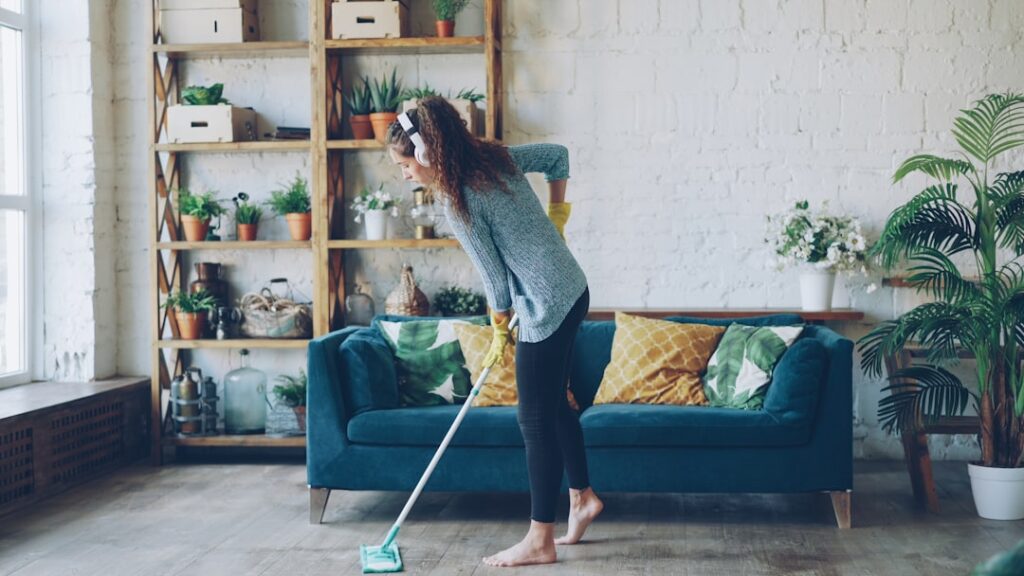
Vinegar’s role in the home is mostly as a cleaning aid that supports your flea-control routine. You can add white vinegar to mop water for hard floors and use it to wipe down baseboards and pet areas. While it will not kill flea eggs, it cleans away the organic debris and flea dirt that larvae feed on.
The far more important step is vacuuming. Frequent, thorough vacuuming of carpets, rugs, upholstery, and along baseboards physically removes eggs, larvae, and adults and even stimulates pupae to emerge where treatments can reach them. Empty the vacuum canister or seal the bag and dispose of it outside after each session.
What Actually Kills Fleas
To break a flea infestation, you have to attack all life stages, which vinegar cannot do. A proven approach combines several methods.
- Treat every pet: Use a veterinarian-recommended flea preventive, whether a topical, oral, or collar product. This is the single most important step.
- Wash bedding: Launder all pet bedding and washable soft items in hot water above 130°F weekly during an infestation.
- Vacuum daily: Cover carpets, furniture, and floor edges, then dispose of the contents immediately.
- Treat the environment: Use an insect growth regulator (IGR) spray or a professional treatment to stop eggs and larvae from developing.
It typically takes three to four weeks of consistent treatment to fully clear an infestation, because new fleas keep emerging from pupae that resist most treatments.
When to Call a Professional
If you have treated pets and your home for several weeks and still see fleas, or if the infestation is heavy from the start, a professional pest control service can apply targeted treatments that reach every life stage. Severe infestations in carpeted homes with multiple pets are especially hard to clear with DIY methods alone.
The Bottom Line
So, does vinegar repel fleas? It offers a mild, short-lived deterrent effect and is a useful cleaning helper, but it is not a treatment and will not end an infestation.
Other Natural Methods People Try
Vinegar is one of several home remedies floating around, and most share the same limitation: they may repel or kill some adult fleas on contact but do nothing to the eggs and larvae hidden in your home. Diatomaceous earth, a fine powder, can dehydrate and kill fleas when dusted lightly on carpets and left for a day or two before vacuuming, making it more effective than vinegar for the environment.
Lemon sprays, essential oils, and dish soap traps each have fans, but use caution: many essential oils, including tea tree, are toxic to cats and dogs. Always check with your veterinarian before applying any oil-based remedy near a pet, and never assume “natural” means safe for animals.
Understanding the Flea Life Cycle
The reason single remedies fail is the flea life cycle. Adult fleas you see are only about 5 percent of the population. The other 95 percent exist as eggs, larvae, and pupae tucked into carpet fibers, cracks, and bedding. Eggs hatch in 1 to 10 days, larvae feed and grow over a week or two, and pupae can lie dormant for months, resisting most treatments inside their protective cocoons.
This is why you must keep treating for three to four weeks. As dormant pupae hatch into new adults, only continued pet preventives, vacuuming, and environmental treatment catch each new wave until the cycle finally breaks.
A Realistic Action Plan
Combine methods and stay consistent. Treat every pet with a vet-recommended preventive, wash all bedding in hot water weekly, vacuum daily and dispose of the contents outside, and apply an insect growth regulator to interrupt the cycle. Use vinegar, if you like, only as a cleaning aid and mild deterrent on the side.
Use vinegar as a minor supporting player, not the star, and put your real effort into vet-approved pet preventives, hot-water laundering, relentless vacuuming, and environmental treatment. That combination, not vinegar, is what actually gets rid of fleas for good.