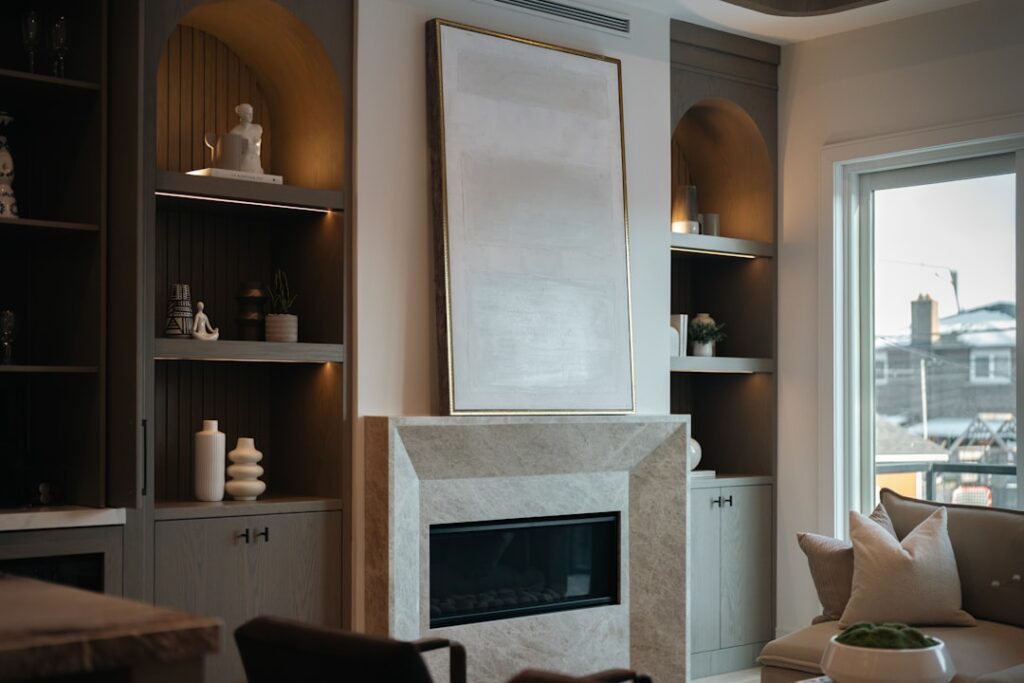
Putting a dresser inside the closet frees up the entire bedroom and makes daily dressing a one-room job. Done well, dresser in closet ideas turn a 6 by 7 foot walk-in into a functional dressing room. Done badly, the dresser blocks hanging space, kills the closet’s daylight, and creates a cramped corner you avoid using. The trick is matching the dresser depth, height, and orientation to the closet’s actual footprint, then planning hanging rod heights around it.
- Why Move the Dresser Into the Closet?
- Sizing the Dresser to the Closet
- Built-In vs. Freestanding
- Hanging Rod Heights Around the Dresser
- Lighting the Dresser Top
- Drawer Configurations That Work
- Walk-In Closet Layouts with Dresser
- Reach-In Closet Solutions
- Style and Material Choices
- Common Mistakes to Avoid
Why Move the Dresser Into the Closet?
A dresser in the bedroom takes 18 to 24 inches of wall space and breaks up the visual flow of furniture. Moving it into the closet frees that wall for art, a bench, or simply more clear space. Walls in bedrooms are valuable real estate; closet interiors are usually under-used vertically.
The other benefit is workflow. Everything you wear lives in one room. No walking from closet to dresser back to mirror. For couples sharing a master bath, this matters in the morning rush.
Sizing the Dresser to the Closet
Closet dressers should be shorter than standard bedroom dressers. A 36 to 42 inch tall dresser leaves room for hanging space above and lets you use the top as a folding surface. The standard dresser height of 50 inches eats into hanging real estate and feels visually heavy in a confined space.
- Reach-in closet (24 inches deep): use a 16 to 18 inch deep dresser; standard 20-inch dressers protrude past hanging clothes
- Walk-in (5 by 6 feet): a 36 inch wide, 42 inch tall dresser fits on the back wall
- Walk-in (8 by 8 feet): two dressers can flank the entry or anchor opposite walls
- Master walk-in (10 by 12 feet): consider an island dresser in the center
Built-In vs. Freestanding
Built-in dressers integrated with closet shelving look custom and use space efficiently. Drawers run wall-to-wall under hanging rods, and the cabinetry matches the closet system. California Closets, Closet Factory, and IKEA PAX with Komplement drawers are the common routes. Expect $1,500 to $5,000 for a built-in setup.
Freestanding dressers are cheaper and more flexible. They move with you, can be replaced easily, and don’t require contractor work. The IKEA Hemnes (8-drawer, $349) and Malm (6-drawer, $279) are the most-used options for closets because they come in shorter heights.
Hanging Rod Heights Around the Dresser
Standard rod height is 84 inches above the floor for full-length hanging clothes. With a 42-inch tall dresser below, you have 42 inches of clearance for hanging garments above the dresser, perfect for shirts, blouses, and folded pants on hangers.
For double-hang sections (two rods stacked), the lower rod sits at 42 inches and the upper at 84 inches, each holding 38 to 40 inch garments. A dresser fits underneath the lower rod if it’s 36 inches tall or shorter.
Lighting the Dresser Top
Closets are usually under-lit by a single bulb in the center of the ceiling. A dresser top needs task lighting to use as a folding or jewelry surface. Three options work:
- Under-shelf LED strip: stick-on, battery or hardwired, lights the dresser top from above
- Recessed cans above: add a 4-inch can directly above the dresser during construction
- Wall sconce: mounted at 60 inches, illuminates the top and adds visual interest
The Lutron Caseta motion sensor switch ($60) auto-lights the closet on entry, which makes early morning dressing painless. Combine with smart bulbs for a clean experience.
Drawer Configurations That Work
Eight 4-inch drawers beat four 8-inch drawers for most wardrobe types. Shallow drawers separate categories cleanly: socks, underwear, t-shirts, gym wear, sleepwear, sweaters. Deep drawers turn into a single jumbled pile.
For couples sharing a closet, two side-by-side dressers (one each) avoid the morning rummage. Label drawers with adhesive vinyl labels (Cricut or pre-printed) for the first month until the system becomes habit.
Walk-In Closet Layouts with Dresser
For a 6 by 8 walk-in, place the dresser on the short back wall and hanging rods on both side walls. Walking through, you see the dresser straight ahead, with clothes hanging at the periphery.
For a 10 by 10 walk-in, a center island dresser becomes the focal point. The island holds folding-friendly clothes (jeans, sweaters, t-shirts) and provides a packing surface for trips. Top with a marble or quartz remnant for a luxury feel; remnants run $200 to $400 for an island-sized piece.
Reach-In Closet Solutions
For a 6-foot wide reach-in, a 36-inch dresser fits on one side with a 36-inch hanging section on the other. Lose the bypass sliding doors (which only let you access half the closet at a time) in favor of bifolds or curtains for full access.
Vertical depth is key. A 16 to 18 inch deep dresser fits in a 24-inch deep closet without protruding past the door. Anything deeper hits the door track. Measure twice; some IKEA dressers are 19 to 20 inches deep, which is too much.
Style and Material Choices
White and natural wood read clean in a closet. Dark dressers visually shrink the space. Glass or acrylic drawer fronts let you see contents at a glance, helpful for sock and accessory drawers.
Soft-close drawers are non-negotiable. Slamming drawers in a small closet is loud, and the impact wears out the joinery faster. Most modern dressers from Crate and Barrel, West Elm, and Pottery Barn include soft-close as standard.
Common Mistakes to Avoid
Buying a dresser before measuring the closet (or measuring the door opening): a beautiful 60-inch dresser doesn’t help if it can’t fit through the closet door. Measure the door opening width, the closet width, and the closet depth before shopping.
Overstuffing drawers: a dresser in a closet should hold what you wear, not what you’ve owned for 10 years. Edit ruthlessly during the move-in. Aim for drawers 70 percent full so clothes have room to breathe.
Ignoring ventilation: closets with shut doors trap moisture. A dresser packed with rarely-worn clothes invites musty smells. Add a small dehumidifier or moisture absorber (DampRid, $5) to keep humidity below 50 percent.