The average American driveway covers 600-800 square feet and represents one of the largest single surfaces on a residential property. Get the driveway flooring choice wrong and you’ll either spend the next 20 years patching cracks or chunk out $12,000 in 8 years to replace something that should have lasted 30. Get it right and you boost curb appeal, drainage, and resale value at the same time. After installing or supervising every major driveway material across multiple US climates, here’s the realistic comparison of what works where.
Five Main Driveway Materials
Driveway construction comes down to five practical choices, each with different upfront costs, lifespans, and maintenance requirements.
- Concrete: $5-$10/sq ft, 30-50 year life
- Asphalt: $3-$7/sq ft, 15-25 year life
- Concrete pavers: $10-$25/sq ft, 50+ year life
- Gravel: $1-$3/sq ft, ongoing top-up required
- Resin-bound aggregate: $12-$28/sq ft, 25-30 year life
Climate, soil type, vehicle weight, and aesthetic preferences all push the recommendation in different directions. The cheapest option upfront is rarely the cheapest over 25 years.
Poured Concrete: The American Default
Standard 4-inch reinforced concrete is the default driveway surface across most of the US for good reason. It handles heavy vehicles, lasts 30-50 years with proper installation, and accepts decorative treatments (stamping, staining, exposed aggregate) for upgraded looks at 30-50% upcharge.
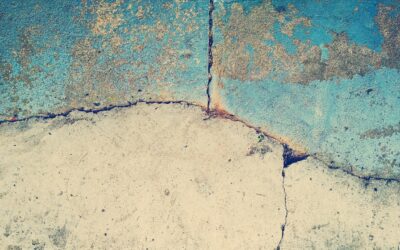
The downsides are cost (more than asphalt), curing time (cars off for 7-10 days, heavy vehicles 28 days), and crack repair difficulty. Cracks happen in concrete; the goal is controlling where they crack via proper expansion joints every 8-10 feet.
In freeze-thaw climates (Minnesota, Wisconsin, upstate New York), concrete needs air-entrained mix and proper drainage. Wet concrete that freezes spalls within 5-10 years.
Asphalt: Cost-Effective but Higher Maintenance
Asphalt costs roughly half what concrete does and installs faster (drivable in 24-48 hours). The trade-off is shorter lifespan (15-25 years) and required maintenance: sealcoating every 3-5 years and crack filling annually after year 5.
Asphalt softens above 90 degrees F, which can leave heel marks and tire impressions in hot climates. In cooler northern states, asphalt actually performs well and costs less to repair than concrete.
Best use case: cold-weather climates with budget constraints and willingness to maintain regularly. Total 25-year cost approaches concrete once you add sealcoating and crack repair.
Concrete and Brick Pavers
Pavers from Belgard, Pavestone, or Unilock cost the most upfront but offer the longest service life. Individual units can be lifted and reset if a section settles or a tree root pushes through, eliminating the demolition required to repair concrete or asphalt.
Pavers handle freeze-thaw better than monolithic concrete because they flex with ground movement. They drain water through joint sand, reducing runoff. Permeable pavers (PaveDrain, Belgard Aqua-Bric) qualify for stormwater credits in many municipalities.
Cost runs $10-$25/sq ft installed. Premium products like Techo-Bloc Mista or Unilock Beacon Hill push toward $30/sq ft. The 50+ year lifespan and easy section repair justify the cost for many homeowners.
Gravel: Cheapest Upfront, Highest Maintenance
Crushed stone or gravel driveways cost $1-$3 per square foot installed. They drain perfectly, handle any vehicle weight, and never crack. The maintenance is the catch: top-dressing every 2-3 years, regrading every 5-7 years, and constant snow plow damage in northern climates.
Gravel migrates onto lawns and into garages, requiring periodic re-edging. Snow plowing scrapes gravel into yards and creates deep ruts. Rural and large-lot properties handle these issues better than suburban driveways.
For best results, use compacted base (4-6 inches) topped with crushed stone (2-4 inches) and perimeter edging (treated wood, steel, or concrete) to keep gravel contained.
Resin-Bound Aggregate
Resin-bound surfaces use UV-stable polyurethane or epoxy mixed with decorative aggregate, troweled or poured over a concrete or asphalt base. The result combines paver aesthetics with permeable drainage and zero joints to weed.
Cost runs $12-$28 per square foot, comparable to high-end pavers. Lifespan reaches 25-30 years with annual moss/algae cleaning. Best brands include Sureset, Daltex, and Addagrip in the US market.
Resin-bound suits homeowners who want high-end appearance with lower long-term maintenance than gravel or pavers. The smooth finish handles foot traffic well, which makes it popular for driveway-walkway combinations.
Drainage Is Make or Break
Any driveway flooring fails if water cannot move off it. Slope the surface 1/8 to 1/4 inch per foot away from the house and toward a yard, swale, or storm drain. For driveways longer than 30 feet, install French drains or a trench drain at the garage entrance.
In areas with strict stormwater rules, permeable surfaces (gravel, permeable pavers, resin-bound) may be required or earn property tax discounts. Check with your local building department before pouring impermeable concrete.
Realistic Total Cost Over 25 Years
For a 700 sq ft driveway, total 25-year cost (install plus maintenance plus eventual replacement of asphalt) lands roughly at concrete $5,000-$8,500, asphalt $4,500-$8,000 (including sealcoating and one mid-life replacement), pavers $8,000-$14,000 (no replacement needed), gravel $3,500-$6,500 (continuous top-up), and resin-bound $9,500-$16,500.
Pavers and resin-bound look most expensive upfront but lowest in repair costs and aesthetic depreciation. Asphalt and gravel have lower upfront cost but higher cumulative maintenance.
Frequently Asked Questions
What’s the longest-lasting driveway material?
Concrete pavers last 50+ years and individual units can be replaced as needed. Poured concrete lasts 30-50 years. Asphalt lasts 15-25 years.
What’s the cheapest driveway flooring option?
Gravel installs for $1-$3 per square foot, by far the lowest upfront cost. Asphalt at $3-$7/sq ft is the cheapest hard-surface option for typical residential use.
Can I install a driveway myself?
Gravel driveways are achievable DIY for handy owners with access to compaction equipment. Concrete, asphalt, and pavers require professional installation; mistakes lead to expensive failures.
How long does a new driveway need to cure before driving on it?
Concrete: 7 days for cars, 28 days for full strength. Asphalt: 24-48 hours but full hardness takes 30 days. Pavers and gravel: drivable immediately. Resin-bound: 24-48 hours.