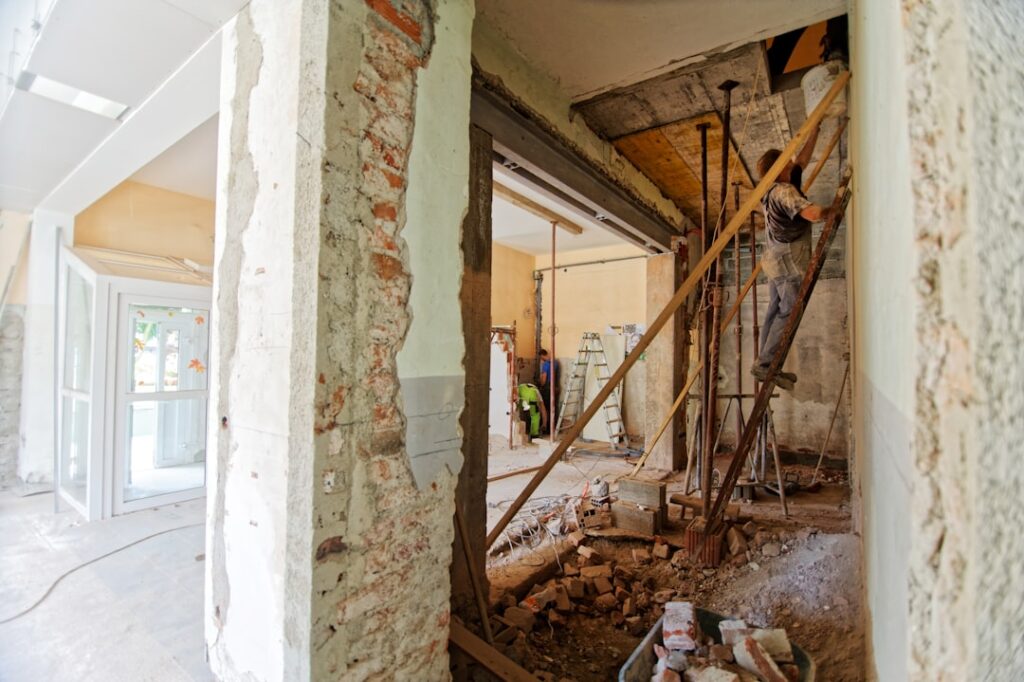
The average drywall repair cost for a typical homeowner runs between $300 and $900, but the real figure swings widely depending on the size of the damage, its location, and whether you hire a pro or grab a putty knife yourself. A small nail-hole patch might cost nothing but a few dollars in spackle, while repairing water-damaged ceilings across a room can climb past $1,000. Knowing how contractors price these jobs helps you budget accurately and spot a fair quote from an inflated one.
Part of our Paint & Walls guide — explore the full guide →
This guide breaks down drywall repair costs by damage type and hole size, explains the labor and material factors, compares DIY versus professional work, and shares ways to save.
- Average Drywall Repair Cost Overview
- Cost by Hole Size
- Cost by Damage Type
- What Drives the Price
- DIY vs. Hiring a Pro
- Ways to Save Money
- Common Mistakes to Avoid
- How Professionals Price a Repair
- When Repair Turns Into Replacement
- Budgeting for Your Repair
- Sheetrock Repair Cost: The Hidden Drivers Most Quotes Don't Spell Out
Average Drywall Repair Cost Overview
Most drywall repairs fall into a predictable range depending on scope. Here is the big-picture view of what people pay:
- Small repairs (nail holes, dings, minor cracks): $50 to $150 for a pro visit, or a few dollars DIY.
- Medium repairs (a fist-sized hole, doorknob damage): $100 to $300.
- Large repairs (multiple holes, a damaged section, patch and blend): $300 to $700.
- Extensive repairs (water damage, ceiling sections, whole rooms): $700 to $1,500 or more.
Many contractors also charge a minimum service call fee of $100 to $200 regardless of how small the job is, which is why bundling several small repairs into one visit saves money.
Cost by Hole Size
Hole size is the biggest driver of a patch’s price because it determines the method and time required:
- Tiny holes (nail and screw holes, under 1/2 inch): Filled with spackle in minutes. Effectively free DIY, or rolled into a larger job by a pro.
- Small holes (1/2 to 4 inches): A self-adhesive mesh patch and joint compound. $50 to $150.
- Medium holes (4 to 8 inches): A California or plug patch cut from new drywall. $100 to $250.
- Large holes (8 inches and up): Cutting back to the studs, installing a new drywall piece, taping, mudding, and sanding. $250 to $500 per patch.
The reason a big hole costs so much more is the multi-day process: hang the patch, tape it, apply two or three coats of compound with drying time between each, sand, and then prime and paint to blend.
Cost by Damage Type
Different kinds of damage carry different price tags because some require fixing an underlying problem first:
- Cracks: Hairline stress cracks cost $75 to $200 to tape and refinish; recurring structural cracks may need investigation.
- Water damage: $300 to $1,300, higher because the source must be fixed, wet material removed, and mold checked before patching.
- Holes from doors and furniture: $100 to $300 for a standard patch.
- Popped nails and screws: $75 to $200 to reset fasteners and refinish.
- Ceiling repairs: Run 10 to 30 percent higher than walls because overhead work is slower and harder.
What Drives the Price
Several factors push a quote up or down. Labor is the largest, since drywall finishing is skilled work and pros charge $50 to $90 per hour or a per-square-foot rate. Location matters: repairs on tall ceilings, stairwells, or behind fixtures cost more due to access. Texture matching adds cost, because blending a repair into knockdown, orange peel, or popcorn texture takes extra skill and product. Finally, painting to blend the repair into the surrounding wall is often a separate line item, and matching an aged paint color may require repainting the entire wall corner to corner.
DIY vs. Hiring a Pro
Small drywall repairs are among the most accessible DIY projects. A tub of lightweight spackle, a putty knife, a mesh patch, and some sandpaper cost under $30 and handle nail holes and small dents easily. A patient beginner can also manage a medium patch. The work gets genuinely difficult with large holes, ceilings, and texture matching, where achieving an invisible, flat repair takes practiced technique. Poor DIY work shows badly under raking light, with visible bulges and sanding marks. If the repair is large, on a ceiling, or in a highly visible wall, the pro’s fee often buys a result you simply cannot match without experience.
Ways to Save Money
You can trim drywall repair costs with a few smart moves:
- Bundle multiple small repairs into a single visit to spread the minimum service fee across more work.
- Do the demolition and cleanup yourself, leaving only the skilled finishing to the pro.
- Tackle the tiny nail-hole and ding repairs yourself, since these are genuinely easy and add up on a contractor’s invoice.
- Get at least three written quotes, since prices for the same job vary widely between handymen and specialized drywall contractors.
- Fix the underlying issue (a leak, a loose door that keeps hitting the wall) so you are not paying to repair the same spot twice.
Common Mistakes to Avoid
Homeowners often patch water-damaged drywall without fixing the leak, guaranteeing the damage returns and doubling the cost. Others use too much joint compound and create a mound that is nearly impossible to sand flat, or skip primer so the patch flashes through the paint. Trying to match a specialty texture without practice usually produces a patch that stands out worse than the original damage. And skipping the mesh tape on a hole lets the compound crack out within months. Match the method to the damage, fix root causes first, and prime before painting.
How Professionals Price a Repair
Understanding how contractors build a quote helps you evaluate whether a price is fair. Drywall pros generally price one of three ways. For small, well-defined jobs they charge a flat rate per patch, often bundled with a minimum service fee of $100 to $200 that covers showing up regardless of how little work there is. For larger jobs they may price by the square foot of drywall replaced, commonly $2 to $4 per square foot for materials and basic labor, rising for textured or ceiling work. For extensive or complex jobs, especially those involving water damage, mold, or structural repair, they bill by the hour at $50 to $90 or provide a project estimate after inspection.
Several line items commonly appear separately on a quote, and knowing them prevents surprises. Painting to blend the repair is frequently its own charge, and matching aged paint may require repainting an entire wall corner to corner rather than just the patch. Texture matching adds cost because it is a skill that takes extra time and product. Disposal of debris, particularly from larger tear-outs, may be a line item. And access challenges like tall ceilings, stairwells, or working behind fixtures raise the labor. When you compare bids, make sure each one covers the same scope, since a low quote that excludes painting and texture matching is not truly cheaper.
When Repair Turns Into Replacement
Sometimes patching is not the right answer, and recognizing when to replace rather than repair saves money in the long run. If more than roughly a third of a wall or ceiling is damaged, replacing the entire sheet of drywall is often cheaper and produces a better result than piecing together multiple patches that may telegraph through the finish. Extensive water damage is another case for replacement; wet drywall loses its integrity, sags, and grows mold, so the affected material should be cut out entirely back to dry, sound framing rather than patched over.
Sagging ceilings, walls with widespread cracking from settling or moisture, and drywall that has been repeatedly patched in the same area are all candidates for full replacement. Whenever you open a wall for water damage, take the opportunity to identify and fix the source, whether a roof leak, a plumbing failure, or poor drainage, before closing it back up, because patching without fixing the cause guarantees the damage returns. Replacement costs more up front than a patch, running $2 to $4 per square foot installed plus finishing, but it delivers a flat, seamless, permanent result where a patchwork of repairs would remain visible and vulnerable. Weigh the extent of the damage honestly, and choose the approach that solves the problem once.
Budgeting for Your Repair
For most homes, plan on $50 to $150 for small patches, a few hundred dollars for medium holes, and $300 to $1,500 for large or water-related repairs. Handle the tiny stuff yourself, bundle jobs to beat the minimum fee, and hire a pro for ceilings, big patches, and texture blending where experience truly shows. Fix whatever caused the damage before you repair it, and you will spend your drywall repair budget once rather than twice.
Sheetrock Repair Cost: The Hidden Drivers Most Quotes Don’t Spell Out
“Sheetrock” is a brand name that most people, and most contractors, use to mean any gypsum drywall, so a sheetrock repair cost and a drywall repair cost are the same thing. What surprises homeowners is not the headline patch price but the less obvious factors that push two similar-looking holes to very different invoices. These are the ones worth asking about before you accept a quote.
Factors That Quietly Raise the Price
- Return trips for drying time. Joint compound needs to dry between coats, so a patch that takes an hour of actual labor may need three separate visits. Some pros use fast-setting compound to finish in fewer trips; ask which approach they plan and whether the quote assumes one visit or several.
- What is behind the wall. Wiring, plumbing, ductwork, or a missing stud where the patch needs support all add time. An electrical box or pipe running through the repair area must be cut around or protected.
- Specialty board. Moisture-resistant board in bathrooms and laundry rooms, and fire-rated board on walls shared with an attached garage, cost more than standard panels and must be matched, not swapped for whatever is on the truck.
- Finish level. A patch in a closet can be left slightly imperfect; a patch on a wall lit by a big window or a glossy paint finish needs a smoother, more time-consuming finish to disappear.
- Trim and fixtures. Removing and reinstalling baseboard, crown molding, cabinets, outlets, or towel bars around the repair is labor that is easy to leave off a verbal estimate.
- Testing in older homes. Paint in homes built before 1978 may contain lead, and some joint compounds and textures from before the 1980s contained asbestos. Responsible contractors test before cutting or sanding, and if the results are positive, containment or abatement changes the scope and cost substantially.
- Moisture and mold. If the damage came from a leak, expect the quote to depend on a moisture check first. Wet framing must dry and any mold must be addressed before new board goes up.
How to Get a Quote You Can Compare
Send each contractor clear photos with a tape measure in frame, one close-up and one showing the whole wall. Tell them the age of the house, the wall texture, and whether you want them to prime and paint. Then ask three questions: How many visits will this take? Does the price include texture matching and paint? What happens to the price if you find water damage, wiring, or a positive lead or asbestos test once the wall is open? Contractors who answer those clearly up front are rarely the ones who surprise you on the final bill.