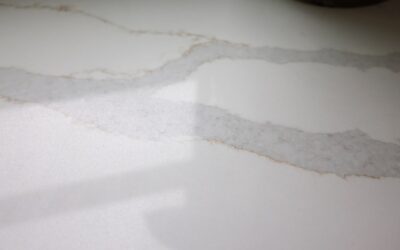
An eased edge countertop features a nearly square edge with the sharp corners gently softened, or eased, so it is comfortable to touch and resistant to chipping. It is the most popular edge profile in modern kitchens and bathrooms because it is clean, understated, and typically the most affordable option your fabricator offers. If you want a contemporary look without paying extra for an ornate edge, the eased edge is almost always the right call. This guide explains what it is, how it compares to other profiles, and where it fits best.
- What an Eased Edge Is
- Why Homeowners Choose the Eased Edge
- Eased Edge vs. Other Edge Profiles
- Where the Eased Edge Works Best
- Materials That Suit an Eased Edge
- Caring for an Eased Edge Countertop
- Eased Edge on Thick vs. Standard Slabs
- Is the Eased Edge Too Plain?
- What an Eased Edge Costs
- Final Thoughts
What an Eased Edge Is
An eased edge is essentially a straight, squared-off edge with the top and bottom corners slightly rounded, just enough to remove the razor-sharp point. From a distance it looks like a clean 90-degree edge, but up close the tiny radius softens the corner so it does not feel sharp against your hip and is less likely to chip if you bump it with a pot.
This subtle treatment is sometimes called a square edge or eased square. It is the standard edge included in most stone and quartz countertop quotes, which is part of why it is so common.
Why Homeowners Choose the Eased Edge
The eased edge has become the default for several practical reasons:
- Modern, minimal look: Its clean lines suit contemporary, transitional, and minimalist kitchens perfectly.
- Affordability: It is usually the base edge included at no extra charge, while decorative profiles add cost.
- Easy to clean: With no grooves or deep curves, crumbs and spills wipe away easily.
- Showcases the material: A simple edge keeps the focus on the stone’s color and veining rather than the edge detail.
- Durable corners: The slight softening reduces chipping compared to a true sharp square edge.
Eased Edge vs. Other Edge Profiles
Understanding how the eased edge compares helps you decide if it is right for your project:
- Eased vs. bullnose: A bullnose edge is fully rounded into a half-circle. It reads softer and more traditional and hides chips well, but it feels more dated to some and costs more. The eased edge is sharper and more modern.
- Eased vs. beveled: A beveled edge has an angled cut along the top corner, adding a decorative facet and a touch of formality. It costs more and creates a more detailed look than the simple eased edge.
- Eased vs. ogee: An ogee is an elaborate S-shaped curve for traditional and luxury kitchens. It is the most expensive and ornate, the opposite of the eased edge’s restraint.
- Eased vs. mitered: A mitered edge joins two pieces to create a thick, blocky waterfall look. It is dramatic and costly; the eased edge keeps standard thickness and budget.
Where the Eased Edge Works Best
The eased edge fits nearly any setting but shines in contemporary and transitional designs. It pairs beautifully with flat-panel and Shaker cabinets, quartz and quartzite surfaces, and clean-lined hardware. In bathrooms, it gives vanities a crisp, current look. It also works well with thicker slabs and waterfall ends, where the simple edge keeps the bold geometry from feeling busy.
If your home leans traditional or you want a softer, family-friendly feel with rounded corners, a bullnose might suit you better. But for most modern remodels, the eased edge is the safe, stylish choice.
Materials That Suit an Eased Edge
The eased edge works on virtually every countertop material, including quartz, granite, quartzite, marble, and solid surface. It is especially popular on quartz because the clean edge complements the engineered, uniform look of the material. On natural stone, the simple edge lets dramatic veining be the star. Thicker slabs (1.25 inches or built up to 2 inches or more) with an eased edge give a substantial, high-end appearance without the cost of a decorative profile.
Caring for an Eased Edge Countertop
Maintenance depends on the material more than the edge, but the eased profile makes cleaning simple because there are no crevices to trap grime. For quartz, wipe with mild soap and water and avoid abrasive pads. For granite and marble, use a pH-neutral stone cleaner and reseal natural stone periodically. Wipe spills promptly, use cutting boards to protect the surface, and use trivets for hot cookware. The softened corners hold up well, but avoid sharp impacts at the edge to prevent chips.
Eased Edge on Thick vs. Standard Slabs
The slab thickness changes how an eased edge reads. On a standard 1.25-inch (3-centimeter) slab, the eased edge looks crisp and proportionate, the most common setup in modern kitchens. On a thinner 0.75-inch (2-centimeter) slab, fabricators often build up the front edge by laminating a strip underneath to create the appearance of a thicker counter while keeping the simple eased profile.
For a bolder statement, some homeowners pair an eased edge with a built-up or mitered face that makes the counter look 2 inches thick or more. This combines the clean simplicity of the eased corner with a substantial, high-end presence, popular on islands and waterfall edges where the geometry is meant to stand out.
Is the Eased Edge Too Plain?
Some homeowners worry the eased edge looks too basic compared with decorative profiles. In practice, its restraint is exactly why designers favor it for contemporary spaces, the same way a flat-panel cabinet reads as more modern than an ornate raised-panel door. The clean line keeps the focus on the material, the cabinetry, and the overall design rather than the edge itself.
If you find a plain eased edge too understated for your taste, you have options short of a fully ornate profile. A small bevel or a demi-bullnose softens the look slightly while keeping costs modest. But for the vast majority of modern and transitional kitchens, the eased edge strikes the right balance of clean, current, and timeless.
What an Eased Edge Costs
Because the eased edge is typically the standard profile, it is often included in the base price of your countertop with no upcharge. Decorative edges like ogee, bevel, or mitered add roughly $10 to $40 or more per linear foot depending on the fabricator and material. Choosing the eased edge is one of the easiest ways to keep a countertop project on budget while still getting a refined, modern result.
Final Thoughts
An eased edge countertop offers clean, contemporary style, easy cleaning, and the best value of any edge profile. It softens sharp corners just enough for comfort and durability while letting your countertop material shine. For modern and transitional kitchens and bathrooms, it is the smart default, delivering a timeless look without the premium price of decorative edges.