Few home upgrades deliver instant comfort as easily as an electric fireplace heater with remote, letting you summon the glow and warmth of a fire from the comfort of your couch without hauling wood or venting smoke. These units have come a long way from the flickering plastic gimmicks of a decade ago, and today’s models produce convincing flame effects, genuine supplemental heat, and precise control over temperature and ambiance. As someone who has installed and recommended dozens of them in living rooms, bedrooms, and finished basements, I can walk you through exactly what separates a purchase you will love from one that collects dust.
How Electric Fireplace Heaters Work
Under the decorative flames, most of these appliances are simply space heaters with a light show. The vast majority use a fan-forced ceramic or coil heating element that pulls in cool air, warms it, and blows it back into the room, while a separate LED and mirror system creates the illusion of dancing flames. A smaller category uses infrared quartz elements, which heat objects and people directly rather than the air, providing a warmth that feels immediate and lingers even when the fan cycles off.
The flame effect and the heat operate independently, which is one of the genuine joys of these units. On a mild evening you can run the flames alone for atmosphere with almost no energy cost, then flip on the heater when the temperature drops. A remote control ties it all together, letting you adjust flame brightness, heat level, timer, and thermostat from across the room without getting up, which is the feature that turns a novelty into something you actually use every day.
Types to Match Your Space
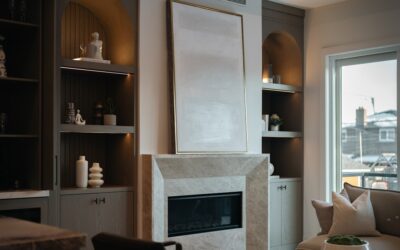
Electric fireplaces come in several form factors, and choosing the right one starts with where you plan to put it. Freestanding stove-style units look like classic cast-iron wood stoves, sit anywhere with an outlet, and suit bedrooms and small dens beautifully. Wall-mounted linear fireplaces hang like a flat-screen television, offer a sleek modern look, and free up floor space, making them ideal for apartments and contemporary living rooms.
Insert models are built to slide into an existing masonry or prefab fireplace opening, giving you the fire experience without the chimney maintenance, while mantel packages and TV-stand media consoles combine the firebox with furniture for a turnkey focal point. Wall-mounted and insert units usually require a bit more installation thought, whereas a freestanding stove is genuinely plug-and-play. Measure your available space carefully, note the nearest outlet, and picture the viewing angle before you commit to a style.
Understanding Wattage and Heating Capacity
Heat output is where homeowners most often misjudge their purchase. Nearly all plug-in electric fireplace heaters run on a standard 120-volt household outlet and draw about 1,500 watts, which produces roughly 5,000 BTUs and comfortably supplements a room up to about 400 square feet. That is enough to make a chilly living room cozy, but it is not designed to be the sole heat source for a large open floor plan in a cold climate.
If you need to heat a bigger space or make it your primary heat, look at hardwired 240-volt models that can push 8,000 BTUs or more, though these require a dedicated circuit and professional wiring. For most people, the 1,500-watt plug-in unit hits the sweet spot, adding zone heating to the room you actually occupy so you can turn down the whole-house furnace and save on energy. Running a 1,500-watt heater costs roughly 15 to 20 cents per hour depending on your local electricity rate, which makes targeted room heating far cheaper than warming the entire house.
Remote Control and Smart Features Worth Having
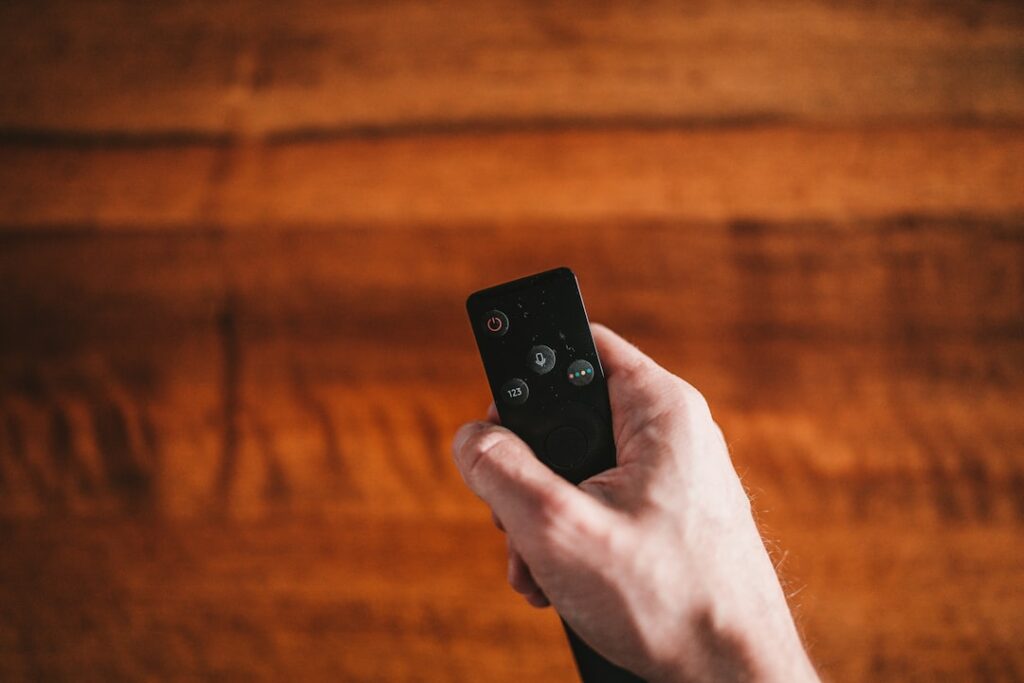
The remote is the heart of the experience, but not all remotes are equal. Basic models include a simple handheld that toggles power, flame, and heat, while better units add a full thermostat so you can set a target temperature and let the fireplace cycle on and off to maintain it, exactly like a furnace. A programmable timer that shuts the unit off after a set period, often up to 8 or 9 hours, adds both convenience and safety for anyone who tends to fall asleep on the couch.
Higher-end models bring adjustable flame color, ember bed brightness, and multiple flame speeds, and a growing number offer Wi-Fi connectivity with smartphone apps and voice control through Alexa or Google Assistant. Whether smart features are worth the premium depends on you, but I find that a reliable thermostat and timer matter far more day to day than voice control. When comparing units, check that the remote uses radio frequency rather than infrared, since RF works without pointing directly at the unit and keeps functioning even when furniture partially blocks the firebox.
Safety Considerations Every Buyer Should Know
Electric fireplaces are among the safest heating options because they produce no flame, no carbon monoxide, and no combustion byproducts, but they still deserve respect. The glass or front surface on many models stays cool to the touch, which is a genuine advantage in homes with children and pets, though you should always verify this on the specific model rather than assuming. Look for units listed by a recognized testing lab such as UL or ETL, and confirm they include overheat protection that automatically shuts the heater down if internal temperatures climb too high.
Because these heaters draw a full 1,500 watts, plug them directly into a wall outlet rather than a power strip or extension cord, which can overheat under that sustained load. Keep the intake and outlet vents clear of curtains, blankets, and furniture so airflow stays unobstructed, and give the unit a few inches of breathing room. A tip-over switch that cuts power if a freestanding unit is knocked over adds another layer of protection, and it is a feature I always look for when recommending a stove-style fireplace for a household with kids.
Placement also affects both safety and performance. Position the fireplace away from high-traffic walkways where someone might trip on a cord, and avoid tucking it into a tight alcove that traps the warm air it is trying to circulate. In bedrooms, I steer clients toward models with a fully cool-touch glass front and a dimmable flame, because the last thing you want is a bright, hot box glaring at you when you are trying to sleep. A little forethought about where the unit lives pays off in comfort every single evening.
Installation, Cost, and Getting the Best Value
One of the great appeals of an electric fireplace heater with remote is how little installation most models demand. A freestanding or media-console unit needs nothing more than a nearby outlet, while a wall-mounted linear fireplace requires basic mounting hardware and a stud or a recessed cavity. Only hardwired 240-volt models and fully recessed built-ins call for an electrician, so factor that labor into your budget if you choose one of those.
Prices span a wide range depending on size and finish. A quality freestanding stove or a compact wall unit runs about 150 to 400 dollars, mid-size linear wall-mount and insert models land in the 400 to 900 dollar range, and large mantel packages or premium built-ins can exceed 1,500 dollars. Maintenance costs, by contrast, are almost nothing: there is no chimney to sweep, no gas line to inspect, and no annual service call. An occasional dusting of the interior and a wipe of the glass front is the extent of the upkeep, which is part of why these units appeal so strongly to homeowners tired of the mess and expense of a real wood fire. To get the best value, buy a unit sized honestly for your room, prioritize a solid thermostat and safety certifications over flashy extras, and read owner reviews focused on the second year of ownership rather than the first week. Do that, and you will end up with a warm, controllable, low-maintenance focal point that earns its spot in your home every cold evening.